Sports Parenting
The Ultimate Parents’ Guide to Helping Kids Get the Most Out of Youth Sports

Why Is Playing Sports Great For Your Kids - Keep Them Playing!
As children enter their teenage years, many drop out of sports at an alarming rate. Studies show that by age thirteen, 70% of kids quit organized sports. This trend is particularly pronounced among girls, who quit at twice the rate of boys. The reasons for this decline are varied, but they often include burnout, increased pressure to perform, and the challenge of balancing sports with academic and social demands.
However, sports can offer so much more than just competition—they can be a source of lifelong memories, friendships, and valuable life lessons. As a parent, you play a critical role in ensuring your child’s sports experience is positive, enriching, and something they will look back on fondly for years to come.
This guide is designed to provide you with the knowledge, tools, and strategies you need to help your child not only stay engaged in sports but truly thrive, both on and off the field. From understanding the psychology behind why kids play sports to actionable tips on how to support their journey, this guide will empower you to be the best sports parent you can be.

1. The Psychology of Youth Sports: Understanding Why Kids Play
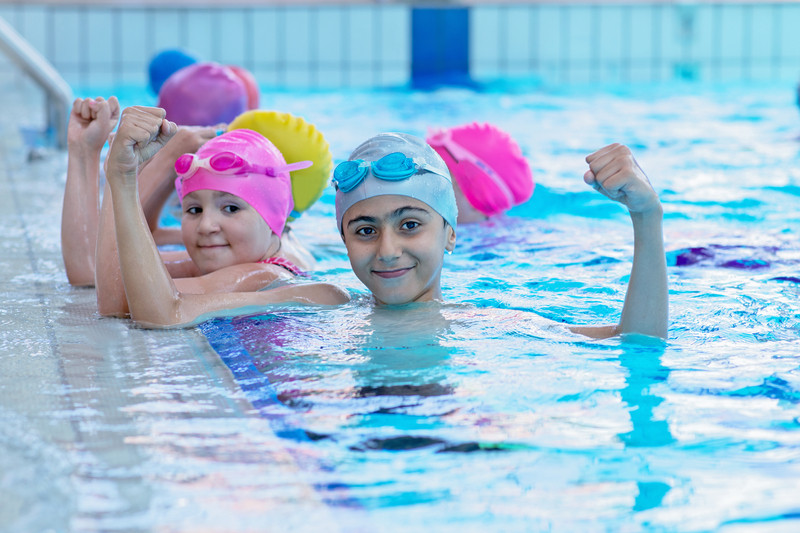
Before getting into specific strategies for helping your kids genuinely benefit from their sports participation experience, it's essential to understand why kids play sports in the first place. At the core, kids are drawn to sports for reasons that often seem simple but are deeply rooted in their development and well-being. These primary reasons include having fun, making friends, and enjoying the thrill of competition. However, as children grow older, these motivations can shift, especially if external pressures come into play, altering the pure joy they initially found in the sport.
Intrinsic vs. Extrinsic Motivation
Intrinsic motivation is the internal drive that compels a child to play sports because they genuinely enjoy it. It’s about the love of the game, the satisfaction from mastering new skills, the joy of being part of a team, and the excitement of overcoming challenges. When a child is intrinsically motivated, the sport itself is the reward. They are more likely to persevere through difficulties, stay engaged, and find deep, lasting fulfillment in their athletic pursuits.
Extrinsic motivation, by contrast, is driven by external factors—such as the desire to win trophies, earn praise from parents and coaches, or avoid criticism. While extrinsic rewards can be powerful motivators, especially in the short term, they can also lead to burnout and a loss of interest if the external rewards overshadow the intrinsic joy of playing. Over time, children who are primarily extrinsically motivated may feel pressured to perform, leading to anxiety, stress, and a decrease in overall enjoyment.
The Impact of External Pressures
As children progress in their sports journey, they often encounter increased pressure from parents, coaches, and peers. This pressure can shift their motivation from intrinsic to extrinsic, harming their long-term engagement and well-being. For instance, when winning becomes the sole focus, children may feel their value as athletes and individuals is tied solely to their performance and outcomes. This shift can strip away the fun and creativity initially attracting them to the sport.
Research consistently shows that fostering intrinsic motivation is crucial for sustaining long-term participation and success in sports. Children who play for the love of the game are more likely to develop a healthy, lifelong relationship with physical activity. They are also better equipped to handle the ups and downs of competition because their self-worth isn’t solely dependent on winning or external validation.
Building a Supportive Environment
For parents and coaches, the challenge is to create an environment that nurtures intrinsic motivation while balancing the natural competitiveness of sports. This means emphasizing effort over results, celebrating small victories, and providing positive reinforcement that focuses on improvement rather than just winning. It also involves being mindful of the language used around sports—phrases like "play hard and have fun" or "it's about progress, not perfection" can help reinforce the idea that sports are about personal growth and enjoyment.
By understanding the psychological factors that influence why kids play sports, parents and coaches can better support young athletes in developing a love for the game that will serve them well throughout their lives. This understanding is the foundation for helping children build resilience, confidence, and a healthy perspective on competition—skills that extend far beyond the playing field.
Key Takeaway:
As a parent, your goal should be to nurture your child’s intrinsic motivation. Focus on the joy of playing, the friendships they form, and the life lessons they learn rather than just the outcomes of winning or losing.
Here’s an interview with Dr. Sylvain Guimond , talking about the importance of fostering intrinsic motivation and the dangers of putting too much importance on extrinsic motivations:
2. Building a Foundation of Fun and Enjoyment
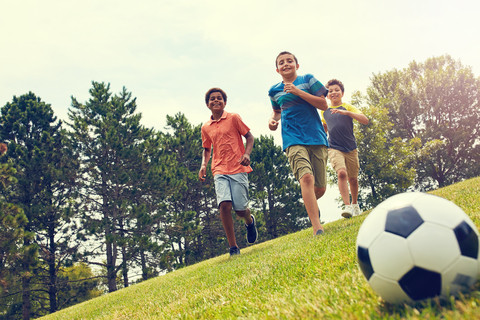
Fun is the cornerstone of a positive youth sports experience. When the fun fades, so does a child’s desire to participate. Here’s how to keep the enjoyment alive:
Encouraging Playfulness
Foster a Love for the Game: Encourage your child to engage in unstructured play, where they can experiment and have fun without the pressure of competition. This could be as simple as shooting hoops in the driveway or playing a casual soccer game in the park. Every sporting activity does not have to follow specific rules or techniques. Reserve some time to let your kids have fun and explore their capabilities.
Variety Keeps It Fresh:
Exposing your child to various sports and physical activities can be one of the most effective ways to keep them engaged, motivated, and having fun. A varied approach not only prevents burnout, but it also helps children develop a broader set of physical skills and a love for movement, instead of pushing them into early specialization in just one sport. Research has shown that kids who sample different sports tend to be more physically literate and resilient. After age 12, they can consider focusing on a particular sport if it aligns with their interests and strengths. Norway’s youth sports system, which emphasizes long-term development through diversified play and discourages specialization before adolescence, is a strong example of this approach. By postponing the pressure to specialize, Norway fosters healthier, more well-rounded athletes who are more likely to stay active for life. You can read more about Norway's successful model here.
Making Friendships a Priority
Social Connections: One of the biggest draws of youth sports is the opportunity to make friends. Please encourage your child to view their teammates as potential friends rather than competitors. This social aspect can be a massive motivator for continued participation.
Team-Building Activities:
Support or organize team-building events outside of regular practices. This could include team dinners, movie nights, or even volunteer activities. Strengthening bonds off the field can lead to better teamwork and more fun during games.
Here’s an interview with Frank Giampaolo, talking about the importance of fostering fun and enjoyment for your kids:
"Parental role is ten times more important than the coach's role. Unlocking a child's full potential is based on life skills, which are taught by parents."
Frank Giampaolo
To receive your free copy of Frank Giampaolo’s new ebook, The Art Of Exceeding “Building High-performance Athletes,” email Frank directly at FGSA@earthlink.net.
3. Supporting Your Child Without Pushing: The Art of Being a Sports Parent
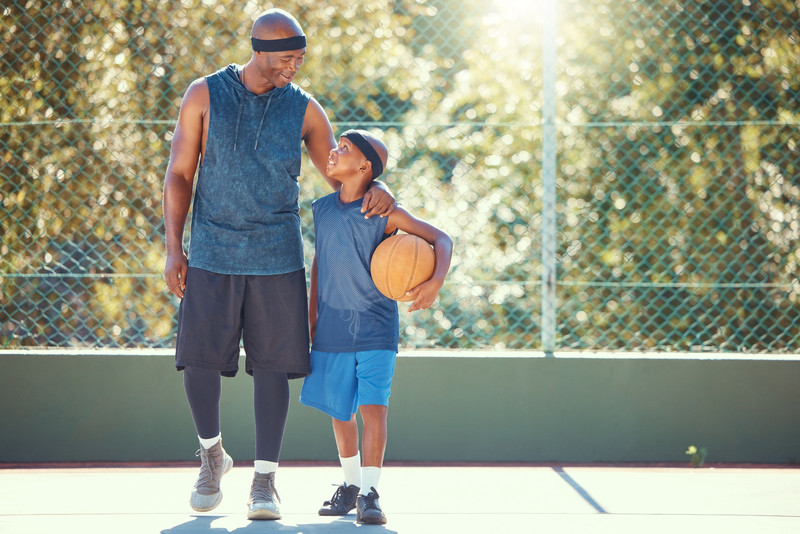
While your support is crucial, there’s a fine line between encouragement and pressure. Here’s how to strike the right balance:
Listening and Observing
Tune Into Your Child’s Needs:
Please pay attention to what your child says and how they act regarding their sports involvement. Are they enthusiastic and eager to participate, or do they show signs of stress and reluctance? Your child’s behavior can indicate whether they’re thriving or struggling.
Have Open Conversations:
Regularly check in with your child to see how they feel about their sport. Ask open-ended questions like, “What do you enjoy most about playing?” or “Is there anything bothering you?” These conversations allow you to gauge their level of enjoyment, understand any concerns they may have, and address potential issues before they escalate. Creating an open, supportive dialogue ensures your child feels heard and supported, helping them maintain a healthy, positive relationship with their sport.
Offering the Right Kind of Encouragement
Celebrate the Small Wins:
Recognize and celebrate your child’s progress, no matter how small. Acknowledging these moments, whether mastering a new skill, showing good sportsmanship, or simply putting in effort, can boost their confidence and motivate them.
Avoid Comparisons:
Refrain from comparing your child to other athletes, whether it’s their siblings, teammates, or even yourself. Every child’s journey in sports is unique, with their strengths, challenges, and pace of development. Comparisons can create unnecessary pressure and undermine your child's confidence or enjoyment of the game. Instead, focus on their progress, effort, and personal achievements, fostering a positive environment that celebrates their growth and dedication. Please encourage them to set goals and measure success based on individual improvement, not others' performance.
Navigating the Fine Line
Set Realistic Expectations:
While it's natural to want your child to succeed, it's important to set realistic expectations that align with their age, skill level, and individual development. Please encourage your child to set their own goals, helping them take ownership of their progress and fostering a sense of responsibility and motivation. This approach not only reduces pressure but also empowers your child to enjoy the learning process, focus on personal growth, and celebrate small victories along the way. Balancing ambition with patience allows your child to develop confidence and a lasting love for the sport.
Be Their Biggest Cheerleader, Not Their Coach:
Support your child by being their biggest fan, cheering them on from the sidelines, and providing encouragement. However, the coaching should be left to the professionals. If you have concerns about their development or progress, address them privately with the coach rather than trying to offer instruction during games or practices. This allows your child to focus on their game without added pressure and helps maintain a healthy parent-child dynamic, where your role is to provide emotional support, not technical advice. Trust the coach’s expertise while you focus on celebrating your child’s efforts and growth.
Here’s an interview with Hernan Chousa, talking about the art of being a good sports parent:
"A good sports parent recognizes that each day offers a fresh opportunity to strengthen their relationship with their child and support their growth."
Hernan Chousa
4. The Role of Coaches and How to Choose the Right Program
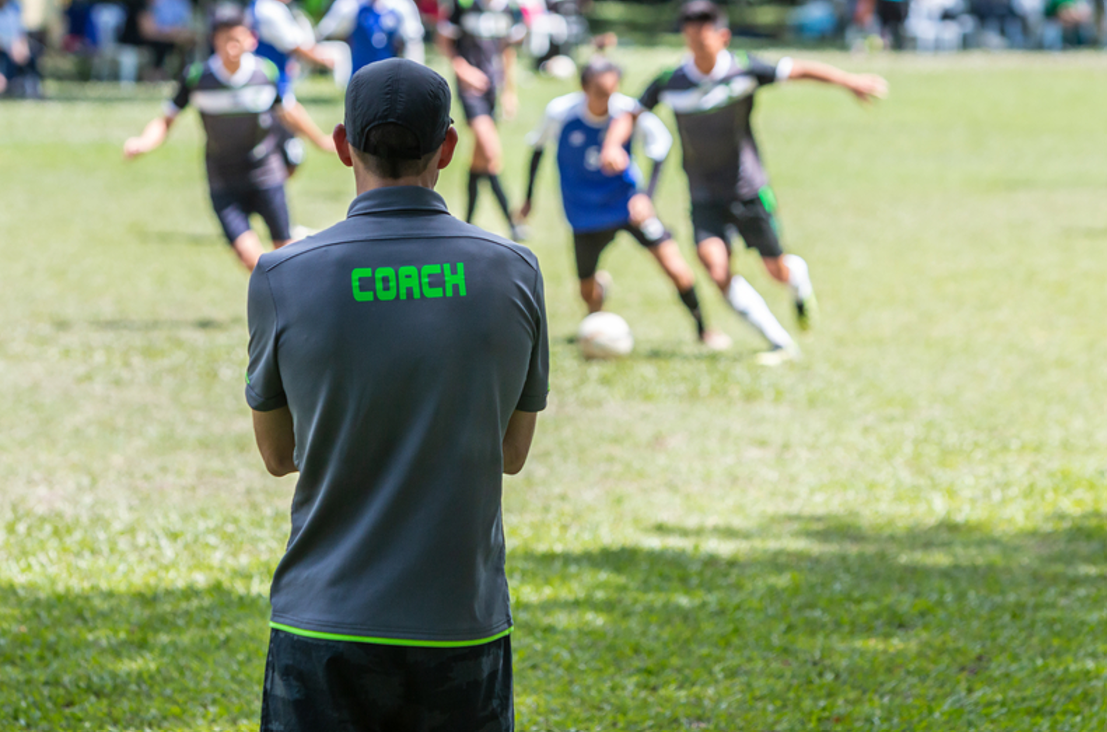
The coach-player relationship is among the most influential factors in a child’s sports experience. Here’s how to ensure your child is in good hands:
Evaluating Coaches and Programs
Research and Observe:
Before committing your child to a sports program, take the time to research the coaches and, if possible, observe their practices. Look for coaches emphasizing skill development, teamwork, and enjoyment rather than focusing solely on winning. This ensures that your child will be in an environment where learning, growth, and a positive experience are prioritized. A good coach fosters athletic skills and character development, creating a supportive atmosphere that encourages your child to thrive and stay motivated in sports.
Ask the Right Questions:
When evaluating a coach or program, ask essential questions about their coaching philosophy, how they manage wins and losses, and how they support players' overall development. Inquire about their approach to balancing competition with personal growth and how they nurture confidence, resilience, and teamwork. A good coach prioritizes the holistic development of the athlete, focusing not only on performance but also on character, mental well-being, and long-term progress. This ensures your child will be in a positive, growth-oriented environment that fosters both athletic and personal success.
Supporting Positive Coach-Player Relationships
Encourage Open Communication:
Encourage your child to communicate openly with their coach about their goals, concerns, and progress. By fostering honest dialogue, your child can build a strong, positive relationship with their coach, grounded in mutual respect and understanding. This not only helps the coach tailor their guidance to your child’s needs but also teaches your child the importance of self-advocacy and collaboration, valuable skills both on and off the field. Open communication promotes a supportive and empowering environment where your child feels heard and motivated to improve.
Be Involved, But Not Overbearing:
Support your child's sports experience by attending games and practices when you can, but avoid hovering or interfering with coaching decisions. Trust the coach to guide your child's athletic development while you focus on providing emotional and logistical support. By maintaining a healthy balance, you show your child that you care about their activities without adding pressure, allowing them to enjoy the sport and develop independence. Your role is to encourage, celebrate their efforts, and be a steady source of support both in victories and challenges.
Addressing Issues
Know When to Intervene:
If your child’s coach employs negative tactics, such as excessive criticism, favoritism, or harmful behavior, it may be necessary to step in. Address your concerns respectfully and privately with the coach or program director, focusing on finding solutions rather than being confrontational. Your involvement should aim to protect your child’s well-being and ensure they are in a positive, supportive environment. While it’s essential to let coaches lead, knowing when and how to intervene shows your commitment to your child's best interests without undermining the program.
Seek Alternatives if Necessary:
If a coach or program isn’t meeting your child’s needs or is fostering a negative or hostile environment, don’t hesitate to explore other options. Your child’s well-being, enjoyment, and passion for the sport should always be a priority. Finding a program that aligns with your child’s development goals and provides a positive, supportive atmosphere is essential to maintaining their enthusiasm and love for the game. Remember, it’s more critical for them to thrive and grow in a healthy environment than to stay in a situation that may hinder their progress or confidence.
Here’s an interview with Kristen Dieffenbach, talking about the importance of finding the right coaches for your kids:
"The environment crafted by the adults can make or break the experience for our youth athletes in that space."
Kristen Dieffenbach
5. Balancing Academics, Athletics, and Life

Maintaining a balance between sports and other aspects of life is crucial for your child’s overall development. Here’s how to help them manage their time and commitments:
Time Management Skills
Create a Schedule:
Collaborate with your child to develop a balanced weekly schedule that includes schoolwork, sports, and downtime. Encourage them to prioritize their responsibilities and use tools like planners, calendars, or apps to stay organized. By helping them establish a routine, you’re supporting their current commitments and teaching valuable time management skills that will benefit them throughout their life. This discipline fosters independence and helps them manage stress, ensuring they can meet both academic and athletic goals while still enjoying personal time for relaxation and self-care.
Set Clear Boundaries:
Establish clear rules around screen time, social activities, and sports participation to ensure your child maintains a healthy balance between academics, athletics, and rest. For instance, you might rule that homework must be completed before engaging in sports or recreational activities. Setting these boundaries helps your child develop a sense of structure and responsibility while ensuring adequate time for their education and relaxation. You're promoting their physical well-being and mental and emotional development by fostering this balance.
Academic Support
Monitor Academic Progress:
Regularly check in with your child about their schoolwork and grades to stay informed about their academic performance. If you notice they are starting to struggle, work together to identify solutions, such as adjusting their sports schedule, providing extra study time, or seeking additional academic support like tutoring. This approach reinforces the importance of academics and teaches your child how to manage their responsibilities and seek help when needed, ensuring they succeed both in the classroom and on the field.
Communicate with Teachers and Coaches:
Please keep an open line of communication with your child’s teachers and coaches to ensure they know their commitments in academics and sports. This helps create a collaborative approach where both sides understand your child's workload and can offer the necessary support. By fostering this connection, you can prevent your child from becoming overburdened and ensure they have the space to thrive in both areas without unnecessary stress. Teachers and coaches can also work together to adjust schedules or provide
Encouraging a Healthy Balance Promote Diverse Interests:
Encourage your child to explore activities beyond sports, such as music, art, or community service. This helps them develop a well-rounded identity, fosters new skills, and provides a healthy balance in their life. Engaging in diverse interests also reduces the risk of burnout from focusing exclusively on athletics, allowing your child to enjoy their sport without feeling overwhelmed. By nurturing a variety of passions, you help them grow into a more confident and adaptable individual with a broader perspective on life.
Teach the Importance of Rest:
Please help your child understand the value of rest and recovery as crucial to their overall performance and well-being. Ensure they sleep well each night and encourage downtime for relaxation and recharging. By emphasizing the importance of rest, you promote both their physical recovery and mental health, helping them maintain a balanced lifestyle and avoid overexertion or burnout. A well-rested body and mind lead to better focus, energy, and long-term enjoyment of their sport.
Here’s an interview with Tony Everett, talking about the importance of finding the right balance of academics, athletics, and life for your kids:
"Sometimes letting our children step out from the sport and getting back into it creates a deeper love for the game."
Tony Everett
6. Promoting Sportsmanship and Respect: Core Values for Life
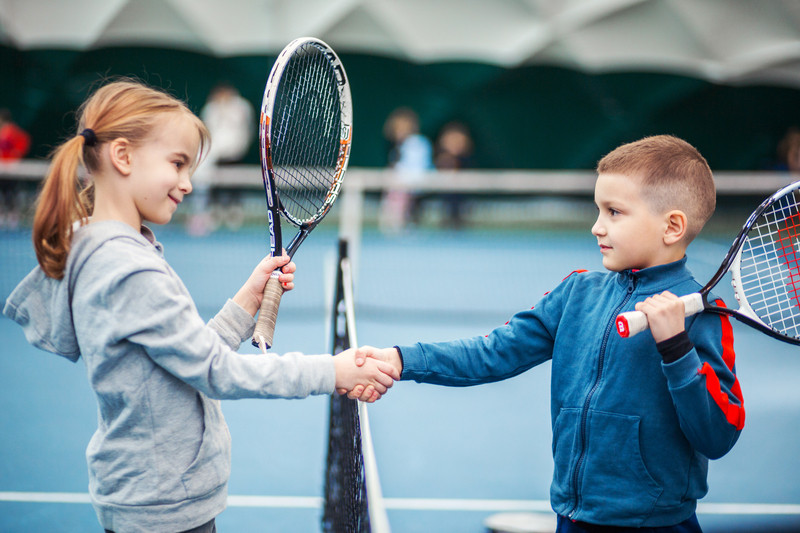
Sportsmanship and respect are foundational values that extend far beyond the playing field. Here’s how to instill these values in your child:
Teaching by Example
Model Good Behavior:
Your actions often speak louder than words, especially when it comes to setting an example for your child. Show respect for coaches, referees, other parents, and opponents, particularly in high-pressure situations. Your child is observing and will likely imitate your behavior. By demonstrating composure, sportsmanship, and respect, you’re teaching them valuable life lessons that go beyond the game. Set a positive example both on and off the field, and avoid becoming a social media sensation for the wrong reasons!
Praise Sportsmanship:
When your child demonstrates good sportsmanship—whether by helping an opponent up, congratulating a teammate, or accepting a referee’s decision without complaint—make sure to acknowledge and praise these actions. This positive reinforcement emphasizes the value of respect, teamwork, and integrity, helping your child understand that these behaviors are just as important as winning. Celebrating sportsmanship teaches your child that how they play the game matters and builds strong character both on and off the field.
Discuss the Importance of Respect:
Have regular conversations with your child about the meaning of respect in sports. Explain that showing respect to teammates, coaches, opponents, and referees is essential for creating a positive and fair playing environment. Emphasize that respect goes beyond following rules—it involves appreciating others' efforts, being gracious in both victory and defeat and treating everyone with kindness and fairness. These discussions help your child understand that respect is a key value that strengthens both team dynamics and the overall sports experience.
Encouraging Positive Interactions
Foster Team Spirit:
Encourage your child to actively support and uplift their teammates both on and off the field. Team sports are about collaboration and unity, and teaching your child the value of teamwork will not only enhance their sports experience but also help them develop essential skills for all areas of life. By promoting team spirit, you help your child understand the importance of working together, celebrating others' successes, and building strong, supportive relationships that extend beyond the game.
Address Negative Behaviors:
If your child exhibits unsportsmanlike conduct, such as arguing with referees or disrespecting opponents, address it right away. Use these instances as teaching moments to explain why such behaviors are unacceptable and how they can handle similar situations more positively in the future. Emphasize the importance of maintaining composure, showing respect, and upholding the values of fair play. By addressing negative behaviors promptly, you help your child learn from their mistakes and develop the emotional maturity to respond to challenges in a constructive way.
Reinforcing Core Values
Create a Family Code of Conduct:
Develop guidelines that reflect your family’s values regarding youth sports. These principles can include commitments to positivity, respect, giving your best effort, and keeping the focus on fun and growth. Creating a clear family code of conduct ensures that everyone remains aligned on what truly matters, fostering a supportive and encouraging environment. Reinforce this code with rewards and consequences tied to good sportsmanship, teamwork, and attitude—not based on wins and losses. This approach helps build character and keeps your child's sports experience positive and meaningful.
Highlight Role Models:
Introduce your child to professional athletes who exemplify good sportsmanship, respect, and integrity on and off the field. Share examples of how these traits have played a pivotal role in their long-term success, not just in their athletic achievements but in building strong personal brands and gaining the respect of fans and peers alike. Watching videos or reading stories together about athletes who prioritize fair play and humility can inspire your child to embrace these values in their own sports journey. By seeing how great role models carry themselves, your child can learn that true success is not just about winning but about competing with honor and respect.
7. Preventing Burnout: Keeping the Love for Sports Alive

Burnout is a significant risk for young athletes, especially those who specialize in a single sport at an early age or who face high levels of pressure. Preventing burnout is critical to ensuring your child’s long-term enjoyment and participation in sports.
Recognizing the Signs of Burnout
Watch for Physical and Emotional Exhaustion:
Burnout often shows up as both physical and emotional exhaustion. Your child may complain of constant fatigue, display signs of stress or anxiety, or lose interest in their sport entirely. It’s important not to dismiss these complaints. Instead, ask supportive, open-ended questions to understand what’s going on. Collaborate with your child and their coach to develop a strategy that addresses their concerns, reduces pressure, and brings the fun back into their sport. Prioritizing their well-being will help them maintain a healthy, balanced approach to their activities.
Notice Changes in Attitude:
It could be a sign of burnout if your child becomes increasingly frustrated or hostile about practices, games, or teammates. Another red flag is a sudden drop in motivation or enthusiasm for the sport. Pay close attention to these changes, as they may indicate your child is overwhelmed, stressed, or no longer enjoying the activity. Open a conversation about how your child is feeling and consider adjusting their schedule or workload to help them regain balance and a positive outlook.
Track Performance Issues:
A decline in performance or skills, despite continued effort, can be another indicator of burnout. This is often linked to overtraining or the mental strain of constant pressure. Having your child keep a practice journal, where they write down how they feel after practice, can help capture and reveal any specific issue that needs to be addressed.
Strategies for Prevention
Encourage Multi-Sport Participation:
Involving your child in multiple sports helps them develop a broader range of skills while keeping their experience fresh and exciting. It prevents the monotony and burnout that can come from focusing solely on one sport. Multi-sport participation also reduces the physical strain on specific muscle groups and keeps them mentally engaged, offering a well-rounded athletic experience that enhances overall development and enjoyment.
Prioritize Rest and Recovery:
Make sure your child has enough downtime to rest and recover physically and mentally. This includes ensuring they get adequate sleep, scheduling rest days, and not overloading their calendar with too many sports commitments.
Emphasize the Fun Factor:
Always remind your child that sports are meant to be fun. If the experience starts to feel too intense or stressful, help them find ways to rediscover the enjoyment—whether it’s by playing with friends, trying out a new sport, or taking a short break. Keeping the fun at the forefront allows them to stay motivated and maintain a positive relationship with sports, ensuring they continue to play for the love of the game.
Stay Attuned to Their Needs:
Make it a habit to regularly check in with your child about their physical and emotional well-being. Encourage open and honest conversations about their experiences in sports, listening closely to any signs of fatigue, stress, or frustration. By fostering a safe space for dialogue, you'll be more equipped to notice when they might feel overwhelmed or burned out. Be ready to adjust, whether it's scaling back their schedule or offering more support, to ensure their experience remains healthy and enjoyable.
Here’s an interview with Damon Valentino, talking about the importance of recognizing signs of burnout in your kids:
8. Nutrition and Fitness: Fueling Your Young Athlete

Proper nutrition and fitness are essential to a successful sports experience. Ensuring your child is well-fueled with a balanced diet and maintains physical fitness will not only enhance their athletic performance but also support their overall health and well-being. Encouraging healthy eating habits and regular exercise helps them build strength, endurance, and energy, which are key to performing their best and preventing injuries.
Building a Strong Nutritional Foundation
Understand the Basics:
Young athletes require a balanced diet that includes carbohydrates for energy, protein for muscle repair and growth, and healthy fats for sustained fuel. A well-rounded diet should consist of a variety of fruits, vegetables, whole grains, lean proteins, and healthy fats. This mix ensures they have the necessary nutrients to perform at their best, recover effectively, and maintain overall health. By understanding these nutritional basics, you can help your child develop habits that support both their athletic performance and long-term well-being.
Hydration is Key:
Staying hydrated is crucial for optimal performance. Teach your child the importance of drinking water consistently throughout the day, not just during practices or games. Proper hydration helps maintain energy levels, focus, and physical endurance. For more intense or prolonged activities, sports drinks can be useful to replenish electrolytes, but water should remain the primary source of hydration. Instilling these habits ensures your child stays energized and performs their best in both sports and daily life.
Timing Matters:
Teach your child the importance of eating at the right times to optimize their performance and recovery. A well-timed meal or snack before a game provides the necessary energy to fuel their activity, while proper post-game nutrition aids in recovery. Encourage them to consume a balanced, protein-rich meal within two hours after a game or practice to replenish energy stores and support muscle repair. This timing helps maximize their performance and promotes faster recovery for future activities.
Avoid Processed Foods:
Minimize your child's intake of processed foods, sugary snacks, and fast food, as these can lead to energy crashes and negatively affect performance. Instead, emphasize whole, nutrient-dense foods that provide sustained energy and promote overall health. A diet rich in fresh fruits, vegetables, lean proteins, and whole grains will help your child maintain steady energy levels, improve performance, and support long-term well-being.
Fitness and Conditioning
Incorporate Strength Training:
As your child matures, strength training can become a valuable part of their fitness routine. It helps build muscle, prevent injuries, and enhance overall athletic performance. However, it's essential to ensure that any strength training is age-appropriate, focusing on proper form and technique. Supervision by a qualified coach or trainer is crucial to ensure safety and effectiveness, allowing your child to gain strength in a way that supports their athletic goals and long-term physical health.
Focus on Flexibility:
Flexibility exercises, like stretching and yoga, are key to improving range of motion, preventing injuries, and boosting athletic performance. Encourage your child to incorporate regular stretching into their daily routine, especially after practices and games, to help muscles recover and stay limber. Consistent attention to flexibility will enhance their overall movement and reduce the risk of strains or other injuries, ensuring they stay fit and ready to perform at their best.
Endurance Training:
Cardiovascular endurance is essential for most sports. Encourage your child to engage in regular aerobic activities like running, swimming, or cycling to build stamina and enhance their overall fitness. These exercises help improve heart and lung capacity, allowing them to perform better for longer periods during practices and games. Consistent endurance training will not only boost athletic performance but also contribute to their long-term health and resilience.
Rest and Recovery:
Emphasize the importance of recovery days to allow the body to heal and grow stronger. Adequate rest, including sleep, is crucial for maintaining peak performance and preventing overuse injuries.
Here’s an interview with Melissa Piercell talking about the importance of adequate nutrition and fitness for your kids:
9. Mental Toughness and Resilience: Preparing for the Challenges Ahead

In addition to physical skills, mental toughness and resilience are critical factors in your child’s ability to succeed and enjoy sports. These qualities help athletes persevere through challenges, maintain focus, and bounce back from setbacks. These qualities will carry on into adult life, helping ensure overall success.
Developing Mental Toughness
Encourage Goal Setting:
Assist your child in setting both short-term and long-term goals that are specific, achievable, and focused on personal improvement rather than comparisons to others. This approach fosters confidence and provides them with a clear sense of direction and purpose. By regularly setting and reviewing goals, your child can stay motivated, track their progress, and experience a greater sense of accomplishment in their sports journey.
Teach Visualization Techniques:
Visualization is a powerful mental tool that can help athletes prepare for competition. Encourage your child to regularly visualize themselves succeeding in their sport—making a perfect pass, scoring a goal, or crossing the finish line. By imagining these positive outcomes, they can reduce anxiety, sharpen their focus, and build confidence. This mental rehearsal allows them to feel more prepared and perform better when it's time to compete.
Build Stress-Management Skills:
Help your child develop techniques to manage stress and remain calm under pressure. Encourage practices like deep breathing exercises, mindfulness, or positive self-talk to keep them grounded during challenging moments. These stress-management skills not only improve their performance in sports but also equip them to handle pressure in everyday life, fostering resilience and emotional balance.
Fostering Resilience
Emphasize Learning from Failure:
Teach your child that setbacks and failures are part of the learning process. Encourage them to view mistakes as opportunities to grow and improve. This mindset helps build resilience and reduces fear of failure. Let them know that with the right mindset, they will either win or learn (which is also a win).
Support a Growth Mindset:
Reinforce the idea that abilities can only be developed through hard work and dedication. Tell them that all kids learn and develop at their own pace. Get them to measure their improvement against their own performance, not other kids. Praise effort and perseverance rather than innate talent. This helps your child stay motivated and strive even when things get tough.
Provide Perspective:
Help your child keep sports in perspective by reminding them that while winning is fun, the actual value of sports lies in the lessons learned, the relationships built, and the personal growth experienced.
Here’s an interview with Shawnee Harle talking about the importance of helping your kids build mental toughness and resilience:
10. Creating a Positive Family Sports Culture
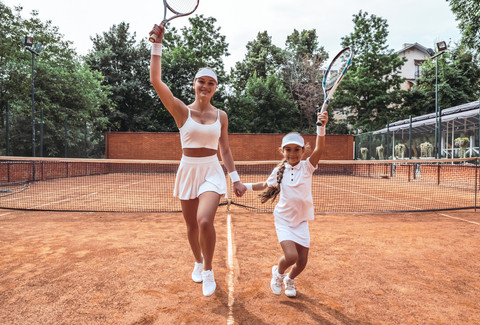
Your family’s approach to sports can greatly influence your child’s experience and attitude toward athletics. Creating a positive sports culture within your family sets the foundation for a healthy, balanced, and enjoyable sports journey.
Establishing Family Values Around Sports
Define Your Family’s Sports Philosophy:
Sit down as a family and discuss what sports mean to you. Is it about fun, fitness, teamwork, competition, or all of the above? Establish a shared philosophy emphasizing positivity, effort, respect, and enjoyment.
Set Family Goals:
Just as your child sets individual goals, consider setting family goals related to sports. This could involve attending several games together, participating in a family fitness challenge, or supporting each other’s sporting events.
Supporting Each Other
Attend Games and Practices:
Whenever possible, attend your child’s games and practices as a family. Your presence shows support and interest in their activities, creating a sense of unity and shared purpose. Celebrate each other's achievements and efforts, whether it's a win on the field or simply showing improvement and dedication.
Encourage Sibling Support:
If you have multiple children involved in sports, encourage them to support each other. Attending each other’s games, cheering from the sidelines, and offering encouragement can foster a positive and supportive family environment.
Incorporate Physical Activity Into Family Time:
Make physical activity a regular part of your family’s routine. This could include weekend hikes, bike rides, or playing a game of basketball together. By making fitness a family priority, you reinforce the importance of staying active and healthy.
Maintaining a Healthy Perspective
Avoid Over-Scheduling:
While being active is significant, remember not to overload your family’s schedule with too many sports commitments. Balance is critical to ensuring that sports remain enjoyable and not a source of stress. Make sure there’s time for relaxation, family meals, and other non-sporting activities.
Celebrate All Efforts, Not Just Wins:
In your family, celebrate the effort, hard work, and improvements made in sports, not just victories. This approach helps reduce pressure on your child and encourages them to enjoy the process rather than focusing solely on the outcome.
Be Open to Change:
Suppose your child expresses a desire to switch sports or take a break; be open to discussing their reasons and exploring alternatives together. Support their interests and help them find activities that keep them engaged and happy.
Creating a positive sports culture in your family ensures that sports become a source of joy, connection, and growth for everyone involved. For more ideas on fostering a supportive family environment, explore our article on Creating a Positive Youth Sports Environment.
The Long-Term Impact of Positive Sports Parenting
The role you play as a sports parent extends far beyond the sidelines. By providing the proper support, setting a positive example, and encouraging a healthy and balanced approach to sports, you’re helping your child build skills and habits that will serve them well throughout their life.
Remember, the ultimate goal is not just to create a successful athlete but to raise a well-rounded, confident, and resilient individual. The lessons your child learns through sports—discipline, teamwork, handling adversity, and celebrating effort—are invaluable and will carry over into all aspects of their life.
By following the strategies outlined in this guide, you can help your child develop a lifelong love for sports, stay active and healthy, and gain the benefits that come from being part of a team. Whether your child continues with sports into adulthood or carries the lessons learned into other endeavors, your support and guidance as a parent are key to their long-term success and happiness.
Start today and make a lasting positive impact on your child’s sports experience. With the right tools and mindset, you can help your child reflect on their youth sports years with pride, joy, and a wealth of cherished memories.
Parents' Most Common Questions About Youth Sports
Q: At what age should kids specialize in one sport?
A: Research and successful national sports models — like Norway's — suggest that children should avoid specializing in a single sport before age 12. Early multi-sport participation builds broader physical literacy, reduces burnout, and produces more resilient athletes. After age 12, kids can begin focusing on a sport if it aligns with their interests and natural strengths. SportsEdTV recommends exposing children to a variety of sports during the early years to keep things fresh and develop well-rounded athletic ability.
Q: What are the warning signs of burnout in young athletes?
A: Burnout can show up in several ways: persistent fatigue or complaints of exhaustion, sudden disinterest in a sport the child once loved, increased frustration or hostility toward practices and teammates, or a noticeable drop in performance despite continued effort. If your child starts dreading games or making excuses to skip practice, that's a red flag worth addressing. Open conversations and adjusting their schedule are key first steps.
Q: How do I keep my child motivated in sports without putting on too much pressure?
A: Focus on fostering intrinsic motivation — the internal love of the game — rather than external rewards like trophies or praise tied to winning. Celebrate effort, improvement, and good sportsmanship rather than outcomes. Use language like "I loved watching you compete today" instead of "You should have scored more." Let your child set their own goals and measure success against their own previous performance, not other kids'.
Q: What should I say to my child after a tough loss?
A: Less is often more right after a game. Give your child space to process their emotions first. Avoid immediately analyzing the game or offering coaching advice. A simple "I love watching you play — how are you feeling?" goes a long way. Once they're ready to talk, help them reframe the loss as a learning opportunity. SportsEdTV experts suggest the 24-hour rule: wait a day before having deeper performance conversations.
Q: What should I look for when choosing a youth sports coach or program?
A: Prioritize coaches who emphasize skill development, positive reinforcement, and age-appropriate expectations over those fixated solely on winning. During evaluation, ask about their coaching philosophy, how they handle losses, and how they support athletes who are struggling. Observe a practice if possible — watch how they communicate with kids after mistakes. A good coach builds confidence and character, not just athletic performance.
Q: How involved should I be in my child's sports experience?
A: Your role is to be the enthusiastic supporter, not the second coach. Attend games and practices when you can, cheer positively from the sidelines, and provide emotional and logistical support. If you have concerns about development or how things are being handled, address them privately with the coach, away from the game environment.
Q: Why do so many kids quit sports by age 13, and how can I prevent it?
A: Studies show that 70% of children quit organized sports by age 13, with girls dropping out at twice the rate of boys. The most common reasons are burnout, excessive pressure to perform, loss of fun, and difficulty balancing sports with school and social life. To prevent this, keep the emphasis on enjoyment rather than results, ensure your child has adequate rest and downtime, involve them in multi-sport activities, and regularly check in about how they feel about their sport.
Q: What should I do if I think my child's coach is too negative or harmful?
A: If a coach uses excessive criticism, shows favoritism, or creates a hostile environment, it's appropriate to step in — but do so thoughtfully. Request a private meeting with the coach or program director and focus on expressing concern for your child's well-being rather than attacking the coach's methods. If the situation doesn't improve, explore alternative programs. Your child's enjoyment and emotional safety in sport always comes first.
Q: How do I help my child balance sports, school, and everything else?
A: Create a structured weekly schedule together with your child that carves out time for schoolwork, sports, social activities, and rest. Set clear priorities — for example, homework before practice. Monitor academic performance and communicate with both teachers and coaches so no one is left in the dark about your child's commitments. Encourage diverse interests outside of sports, which reduces burnout and supports a healthier, more balanced identity.
Q: What should young athletes eat before and after competition?
A: Young athletes need a balanced diet of carbohydrates for energy, protein for muscle repair, and healthy fats for sustained fuel. Before a game, a meal rich in complex carbohydrates and moderate protein provides good energy. After competition, a protein-rich meal within two hours helps with recovery and muscle repair. Stay away from processed foods and sugary snacks, which can cause energy crashes. Consistent hydration throughout the day — not just during games — is also critical for performance.
Q: How can I help my child develop mental toughness and resilience through sports?
A: Mental toughness is built gradually through consistent habits. Encourage your child to set specific, personal goals focused on improvement — not comparison to others. Teach visualization: having them mentally rehearse success before competition reduces anxiety and builds confidence. Help them develop stress-management techniques like deep breathing or positive self-talk. Most importantly, frame setbacks as learning experiences.