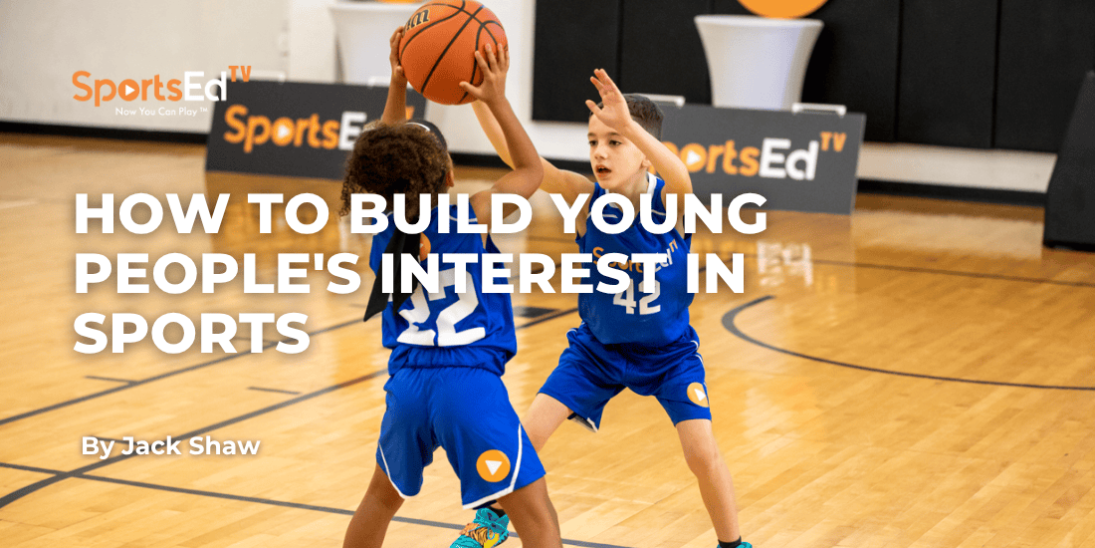
Getting kids into sports is more than joining a team. Instead, it's about a lifelong connection to movement, friendship, and self-belief. Whether you’re a coach, parent, or community leader, you can shape those experiences that make sports feel fun, welcoming, and meaningful. From how you talk about teamwork to making sports accessible, every choice helps build a lasting passion for play. Creating these connections starts with understanding how to keep young athletes engaged, supported, and inspired.

Leveraging Role Models and Community Support
Young athletes thrive when the adults around them model respect, encouragement, and shared purpose. Parents can make a significant impact by being supportive of all participants, including players, referees, and coaches. Emphasizing effort and development over winning helps kids enjoy the process and build confidence. Asking your child what they learned, rather than just how they performed, sends a powerful message that growth matters more than results.
Coaches build well-being by creating inclusive environments that value teamwork, development, and mastery. They focus on effort over talent to help young athletes feel confident and connected. Adults who tailor training to children’s interests and developmental needs encourage motivation and curiosity. These are essential ingredients for lifelong engagement.
To strengthen this mission, leaders and club managers train coaches effectively and develop programs that unite children from diverse backgrounds and with different abilities. They also create and implement action plans that center on every athlete’s well-being.
Sports federations enhance youth activities by creating adaptable tournament formats that accommodate different competition and skill levels. By investing in education, training, and regulations that protect young athletes' welfare, they create safer, more sustainable environments for development.
Establishing formal collaborations with volunteers and informal connections with parents and guardians of team members involves acknowledging and nurturing the common motivation that unites them. A shared goal is to ensure that their young athlete has a rewarding experience, and involved parties should focus on this common objective.
Getting kids into sports is more than joining a team. Instead, it's about a lifelong connection to movement, friendship, and self-belief. Whether you’re a coach, parent, or community leader, you can shape those experiences that make sports feel fun, welcoming, and meaningful. From how you talk about teamwork to making sports accessible, every choice helps build a lasting passion for play. Creating these connections starts with understanding how to keep young athletes engaged, supported, and inspired.
Leveraging Role Models and Community Support
Young athletes thrive when the adults around them model respect, encouragement, and shared purpose. Parents can make a significant impact by being supportive of all participants, including players, referees, and coaches. Emphasizing effort and development over winning helps kids enjoy the process and build confidence. Asking your child what they learned, rather than just how they performed, sends a powerful message that growth matters more than results.
Coaches build well-being by creating inclusive environments that value teamwork, development, and mastery. They focus on effort over talent to help young athletes feel confident and connected. Adults who tailor training to children’s interests and developmental needs encourage motivation and curiosity. These are essential ingredients for lifelong engagement.
To strengthen this mission, leaders and club managers train coaches effectively and develop programs that unite children from diverse backgrounds and with different abilities. They also create and implement action plans that center on every athlete’s well-being.
Sports federations enhance youth activities by creating adaptable tournament formats that accommodate different competition and skill levels. By investing in education, training, and regulations that protect young athletes' welfare, they create safer, more sustainable environments for development.
Establishing formal collaborations with volunteers and informal connections with parents and guardians of team members involves acknowledging and nurturing the common motivation that unites them. A shared goal is to ensure that their young athlete has a rewarding experience, and involved parties should focus on this common objective.
Making Sports Accessible and Affordable
Cost remains a significant barrier to getting children engaged in sports. Families with limited financial resources often face high participation expenses, including equipment and club fees, which can deter many kids from joining.
One study on youth sports and health insurance revealed a link between coverage and physical activity. Researchers found that young people with Medicaid or no health coverage were less physically active than their peers. This financial gap results in fewer chances for children from underrepresented communities to take part, contributing to increased inactivity rates and long-term health inequalities.
Equity throughout life is a key guiding principle in the World Health Organization’s Global Action Plan on Physical Activity (GAPPA). Countries must reduce physical inactivity among adolescents and adults by 15% by 2030. They can achieve this by tackling disparities and minimizing inequalities.
Investing in public amenities can help families who are unable to afford the high costs of private club memberships. Providing resources such as parks, community basketball courts, and after-school activities ensures that all children have access to enriching experiences.

Integrating Technology and Modern Interests
To truly reach today’s youth, sports need to meet them where they already are online. Social media plays a growing role in inspiring physical activity and connecting young people to sports content. Platforms like TikTok, Instagram, and YouTube allow young athletes to follow their favorite players, learn new drills, and discover communities that share their passion.
During the pandemic, social media kept many people active by offering virtual workouts and digital coaching. That trend has continued, as university students see social platforms as valuable tools for learning and motivation in fitness. YouTube remains especially popular for tutorials, while short-form videos on TikTok attract younger audiences who crave quick, engaging content.
Fitness and health apps have evolved from simple trackers into full-fledged social media platforms. They incorporate interactive features that facilitate education, social connection, and motivation. The sports industry now considers wearable technology and mobile exercise apps to be the top trends, underscoring their growing market significance.
As an example of this integration, some sports stadiums are now incorporating gaming culture directly. At Angel Stadium, a new Level Up arcade operated by Bandai Namco brings video games into the ballpark and gives young fans the chance to join in a live Pac-Man race on the field. This is only the most recent in a string of collaborations between sports and gaming companies aimed at bridging the gap. When young people see their favorite gaming culture reflected in sports venues, it helps them feel connected and more inspired to take part in the action themselves.
Emphasizing Social Life
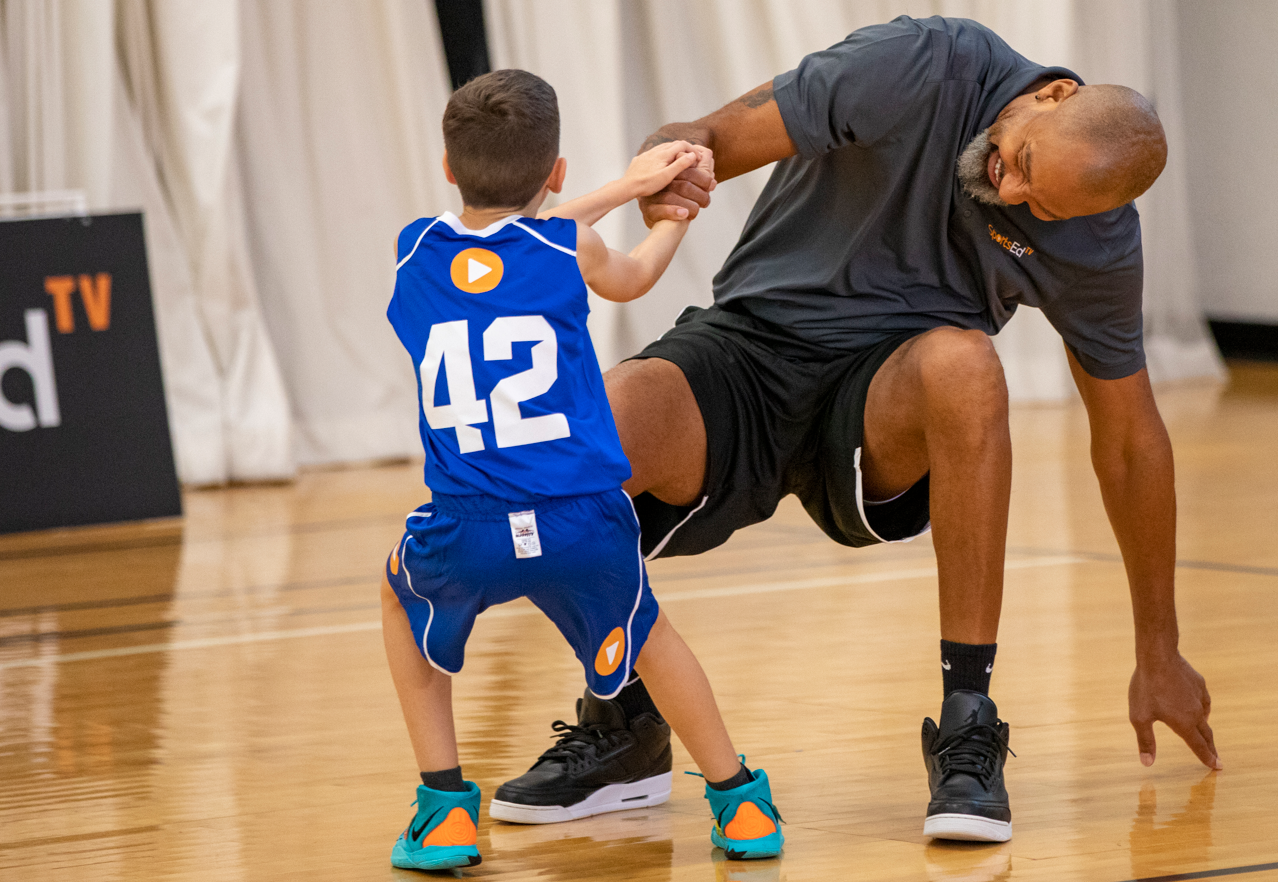
Outdoor workouts challenge the body by engaging with diverse terrain, promoting social interaction, and even enhancing mood. Just five to 15 minutes of sunshine can elevate happiness levels. Playing sports is essential for fostering physical growth and helping individuals integrate into their current social circles. However, the ongoing trend of urbanization and the rising reliance on digital technology have led to a significant decrease in physical activity among children and teenagers.
Educational authorities should encourage young people to participate in sports clubs and after-school programs. These activities provide opportunities for them to build social skills, develop leadership qualities, and realize their full potential.
Team sports, such as soccer, volleyball, and basketball, impart valuable lessons in collaboration, communication, and trust. Meanwhile, individual sports, such as tennis and swimming, enhance self-discipline, perseverance, and accountability. Both help adolescents build a sense of community and belonging, which provides essential cognitive, emotional, and social benefits.
Sports activities also link to broader social initiatives, such as charity events and inclusion campaigns. These opportunities help young people become more actively involved in civic life. This involvement fosters self-confidence and emotional resilience, encouraging adolescents to volunteer, raise awareness about social issues, and contribute to the public good.
Nevertheless, the effectiveness of youth sports in achieving these goals depends on ongoing institutional support and on their incorporation into educational and national development strategies.

Building Lifelong Passion for Sports
Encouraging young people's passion for sports is fundamentally about finding balance. It merges enjoyment with intention, community with personal expression, and activity with significance. When sports are made accessible, inclusive, and representative of youth culture, participation tends to increase organically—coaches and parents who emphasize effort, fun, and a sense of belonging foster environments that motivate. Technology, media, and outdoor activities can work together effectively to keep children active and engaged.