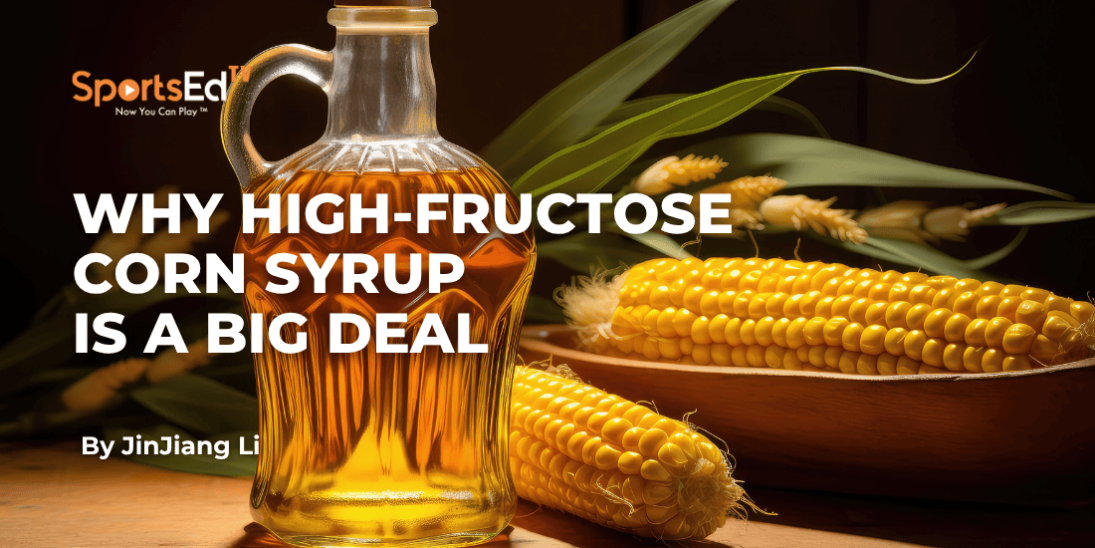
Imagine pouring spoonfuls of syrup into your breakfast cereal or smoothie. That thick, sweet liquid? Often it’s high-fructose corn syrup (HFCS)—a sugar made from corn, not fruit. It tastes sweet, costs less than regular sugar, and is used everywhere, from sodas and candies to ketchup and even bread.
But here’s the kicker: HFCS may promote inflammation—a silent problem linked to heart disease, diabetes, arthritis, and more. Let’s unpack this in steps.

What Is HFCS?
It’s a sugar syrup made from corn, where some glucose is turned into fructose.
Two common types are
Imagine pouring spoonfuls of syrup into your breakfast cereal or smoothie. That thick, sweet liquid? Often it’s high-fructose corn syrup (HFCS)—a sugar made from corn, not fruit. It tastes sweet, costs less than regular sugar, and is used everywhere, from sodas and candies to ketchup and even bread.
But here’s the kicker: HFCS may promote inflammation—a silent problem linked to heart disease, diabetes, arthritis, and more. Let’s unpack this in steps.
What Is HFCS?
It’s a sugar syrup made from corn, where some glucose is turned into fructose.
Two common types are
-
HFCS-42 – about 42% fructose, often found in baked goods and cereals
-
HFCS-55 – about 55% fructose, commonly used in sodas and soft drinks
Why do food companies use it? Because it’s cheap, super sweet, and easy to blend into foods and drinks. But unlike regular table sugar (which is 50% glucose and 50% fructose), HFCS has more fructose, and too much fructose may be harder on your liver and increase inflammation.

You’ll find it in all kinds of foods—even ones that seem healthy. It often goes by other names, such as glucose-fructose syrup, corn sugar, maize syrup, or isoglucose, so it’s essential to read the label carefully.

What Is Inflammation?
Think about an ant bite. Your skin gets red, swollen, warm, and sore; this is acute inflammation, a short-term fix by your body's emergency team.
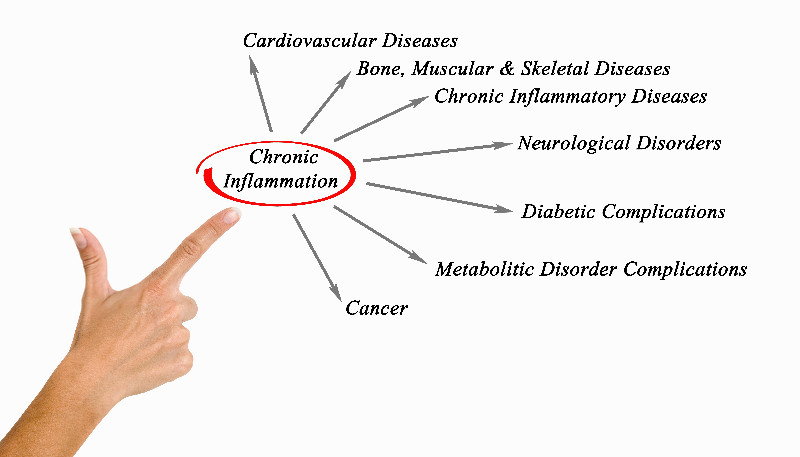
But there’s another kind of inflammation you can’t see or feel right away — it’s called chronic inflammation.
Imagine your body has a built-in alarm system. That system should only go off when there’s real danger, like an injury or infection. But with chronic inflammation, it’s like the alarm stays on all the time, even when there’s nothing to fight. This wears your body down slowly, like a car engine running too hot for too long.
How does it start?
It can be triggered by everyday things like:
-
Drinking sugary sodas too often
-
Eating lots of junk food
-
Not moving your body (sitting too much)
-
Being constantly stressed out
-
Not sleeping well
Over time, this kind of hidden inflammation can damage important parts of your body, leading to serious health problems like:
-
Heart disease – inflammation weakens the blood vessels and makes it easier for clogs to form
-
Type 2 diabetes messes with how your body controls blood sugar
-
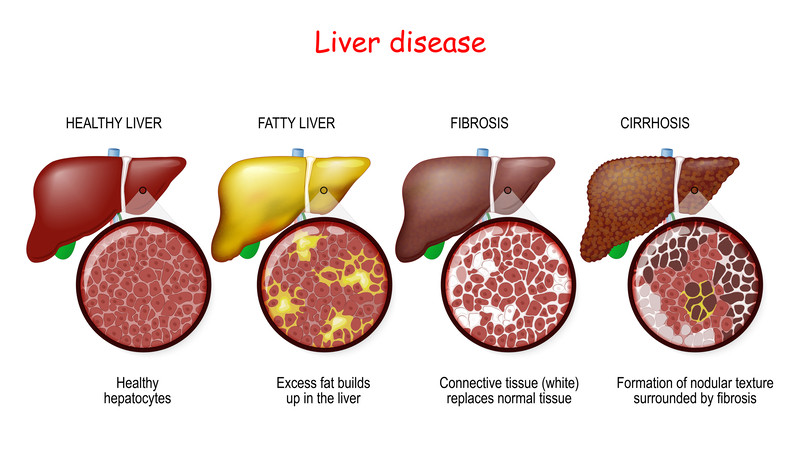
Fatty liver – inflammation builds up fat in the liver and slows it down
-
Arthritis – your joints get stiff, sore, and swollen from too much inflammation
-
Depression and brain fog – even your mood and memory can be affected
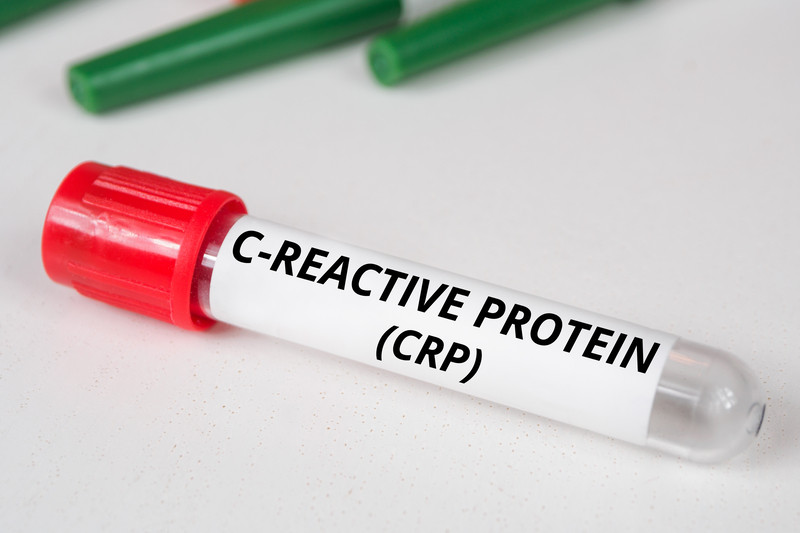
Doctors can’t see inflammation with their eyes, so they use blood tests to detect it. One standard test looks for a protein called C-reactive protein (CRP). When your CRP levels are high, it’s a sign that your body is inflamed, even if you feel fine.
How HFCS May Cause Inflammation
1. Raises CRP Levels Compared to Table Sugar:
A 2022 meta-analysis comparing HFCS and regular sugar (sucrose) found that HFCS led to significantly higher CRP levels, even though body weight, blood sugar, cholesterol, and blood pressure stayed similar. CRP (C-reactive protein) is a marker in the blood that rises when there’s inflammation in the body. Researchers concluded that HFCS is more inflammatory than regular sugar.
A 2016 study, in which participants drank beverages sweetened with HFCS or fructose (25 percent of calories) for 8 days, showed that CRP and IL-6 levels rose quickly, even without weight change.
2. Animal and Lab Studies:
Mice drinking HFCS had more gut inflammation and higher levels of immune cells called macrophages, suggesting HFCS can worsen inflammatory bowel conditions.
3. Sugar-Sweetened Beverages and Inflammation:
Sugary sodas (whether HFCS or cane sugar) damage liver fat levels, insulin sensitivity, lipids, and uric acid even over just two weeks, compared to diet drinks.
Soda and sweetened drinks are linked to chronic diseases like type 2 diabetes and heart disease, partly due to low-grade chronic inflammation.
4. Gut and Fructose Interaction:
Too much fructose (such as from HFCS) can overwhelm your gut, forming harmful substances called advanced glycation end-products (AGEs), which may drive inflammation in joints and blood vessels.

From HFCS to Inflammation. Why It Matters
You might think, 'But I don’t feel sore or feverish.' The problem is that chronic inflammation is often silent yet still harmful.
If HFCS raises your CRP levels and sparks gut irritation, over time, this can damage organs, including your heart, pancreas, liver, joints, and even your brain. The research indicates that HFCS is an inflammation booster, and inflammation is one of the most significant threats to long-term health.
Is Cane Sugar Better?
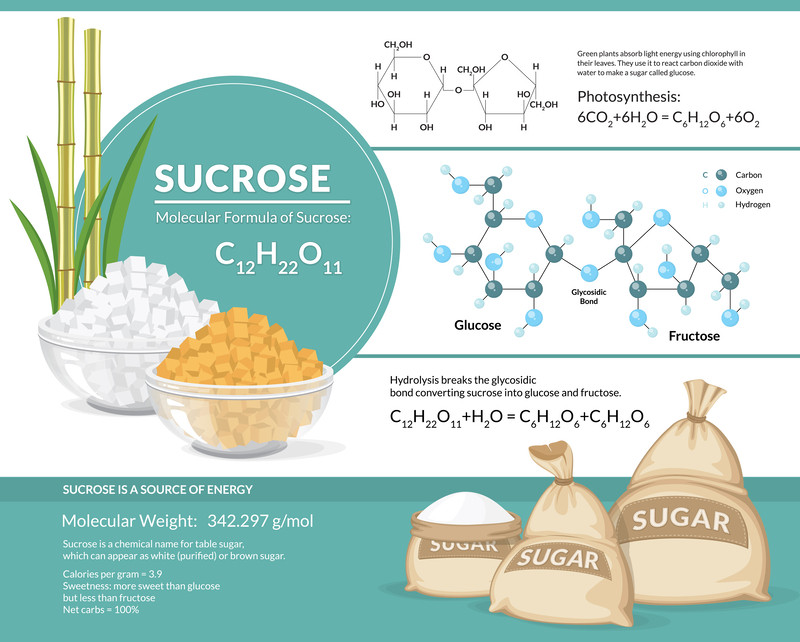
Table sugar (sucrose) is 50 percent fructose and 50 percent glucose, similar to HFCS, but slightly better:
• Studies comparing sucrose vs HFCS found less CRP increase with sucrose.
• But both are still empty calories; added sugar increases the risk of obesity, metabolic issues, and inflammation.
So while cane sugar is a bit better than HFCS from an inflammation standpoint, it's still unhealthy in excess.
HFCS is found in many foods, but research suggests it may contribute to subtle inflammation in the body. That inflammation, even if you can’t see or feel it, can increase the risk of serious long-term health problems. Cane sugar might be slightly less inflammatory, but it’s not a free pass. The best thing to do is to reduce both in your daily diet and fuel your body with real, whole foods that help you stay strong, healthy, and full of energy.