Nutrition, Strength And Conditioning
Peak Performance: How Growth Hormone Impacts Sports and How to Boost It Naturally

What Is Growth Hormone and Why Does It Matter in Sports?
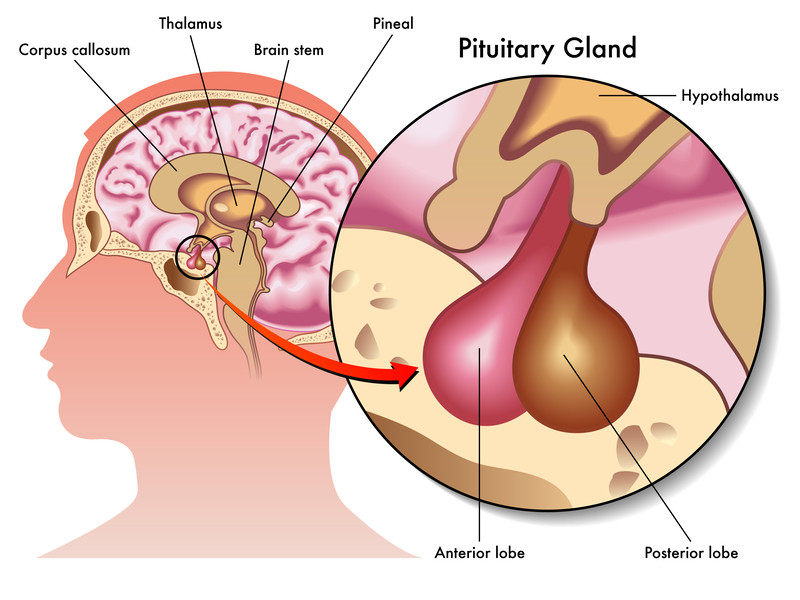
Growth Hormone (GH), also known as human growth hormone (hGH) or somatotropin, is a naturally occurring peptide hormone secreted by the pituitary gland. Its primary functions include:
-
Stimulating muscle growth and repair
-
Supporting fat metabolism
-
Enhancing bone density
-
Improving exercise recovery and energy levels
For athletes and active individuals, optimal GH levels can mean faster recovery, a leaner physique, improved strength, and even better mental focus. GH has both direct and indirect effects on muscle tissue by increasing protein synthesis and stimulating the production of insulin-like growth factor 1 (IGF-1).
How GH Helps Athletic Performance
-
Muscle Hypertrophy: GH promotes muscle growth by increasing amino acid uptake and protein synthesis.
-
Fat Utilization: It helps the body mobilize and utilize fat for energy, aiding in fat loss.
-
Recovery: Speeds up tissue repair and reduces muscle soreness.
-
Bone Strength: Stimulates bone formation and reduces the risk of stress fractures.
Learn more about GH physiology from the National Institutes of Health
Can You Take Growth Hormone Directly?
Yes—but with restrictions. Pharmaceutical GH therapy is available and is often prescribed for children and adults with diagnosed GH deficiency. However:
-
It requires a prescription and clinical diagnosis.
-
It can be expensive and difficult to obtain legally.
-
Misuse may cause side effects: joint pain, fluid retention, insulin resistance, and carpal tunnel syndrome.
-
It is banned in most competitive sports by the World Anti-Doping Agency (WADA).
As a result, many athletes turn to natural ways to increase their body’s own GH production, which can be effective and safe when done correctly.

Best Natural Ways to Boost Growth Hormone
1. High-Intensity Exercise
One of the most potent natural stimulators of GH is intense physical activity. Studies consistently show that resistance and high-intensity interval training (HIIT) can dramatically increase circulating GH levels by stimulating the anterior pituitary gland. The GH response is influenced by the intensity, duration, and type of exercise, with short bursts of maximal effort, such as sprints or heavy compound lifts, generating the highest spikes. This hormonal surge promotes muscle growth and fat oxidation and helps accelerate tissue repair and improve overall metabolic function. Regular bouts of intense training can thus serve as a cornerstone in any natural GH-boosting strategy.
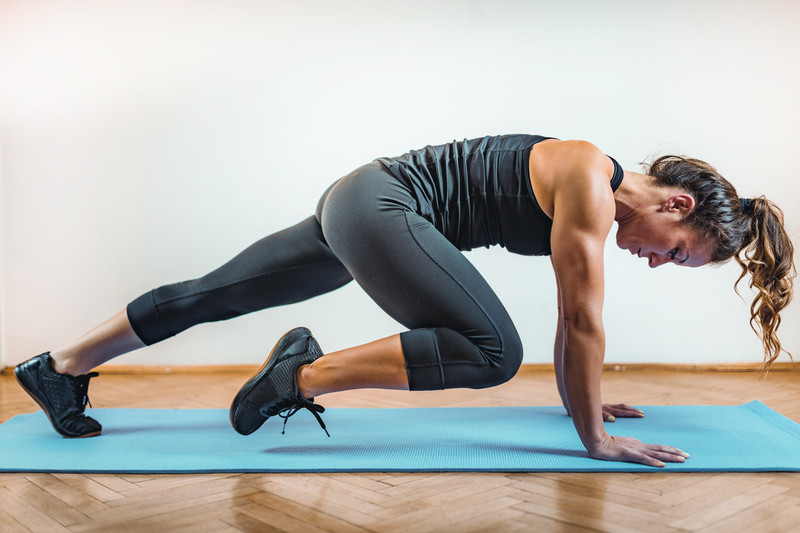
Effective GH-Boosting Workouts:
-
Heavy compound lifts (squats, deadlifts, bench press)
-
Circuit-style training with minimal rest (30-60 seconds)
-
Sprint intervals (30s sprint, 90s rest × 6-10 sets)
-
Fasted morning walks or cardio sessions
GH levels typically spike 10-30 minutes after intense exercise and return to baseline within 1-2 hours.
Reference: Journal of Applied Physiology
2. Optimize Sleep
Most daily GH secretion occurs during deep sleep, especially in the first two hours after falling asleep. To maximize GH:
-
Sleep 7-9 hours consistently
-
Maintain a regular sleep schedule
-
Avoid screens and bright lights before bed

3. Fasting and Low-Insulin States
Intermittent fasting has been shown to significantly increase GH levels by lowering insulin, a hormone that suppresses GH secretion. When the body is in a fasted state, especially after 12 to 24 hours without food, GH levels can rise sharply as part of the body's natural preservation mechanism to maintain muscle mass and mobilize fat for energy. A 24-hour fast, in particular, has been shown to increase GH levels by up to 2,000% in men, making it a powerful tool for naturally enhancing hormonal balance and metabolic function. These effects are amplified when combined with quality sleep and regular intense exercise.
4. Supplements That Support GH Production
L-Arginine
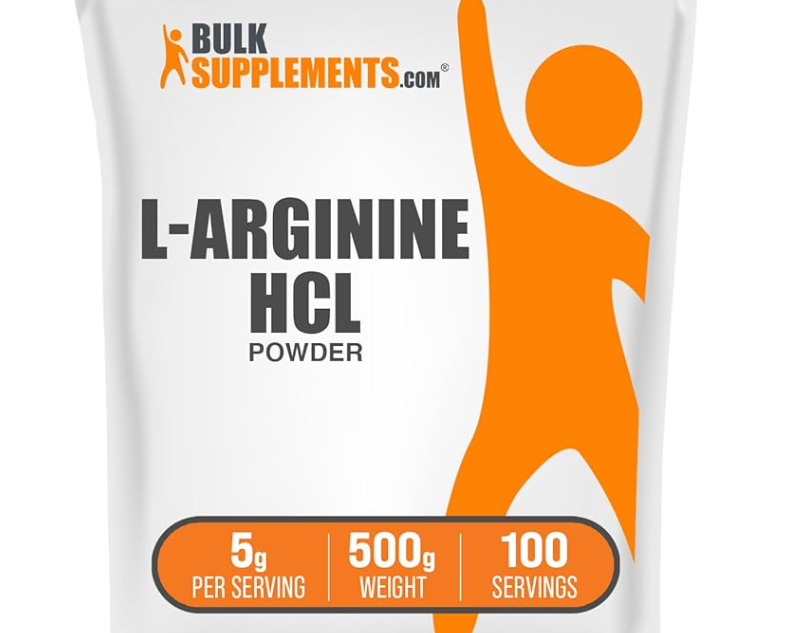
L-Arginine is a semi-essential amino acid that boosts GH by inhibiting somatostatin, a hormone that suppresses GH release.
-
Oral doses of 5-9 grams have been shown to increase GH levels.
-
Best taken on an empty stomach and away from workouts.
Read this systematic review on Arginine and GH.
Important: Avoid Arginine Around Exercise
While exercise and L-Arginine independently increase GH, combining them may result in a blunted GH response. A 2008 study found that taking Arginine before exercise reduced the GH spike that typically follows intense training.
Why? Because Arginine and exercise stimulate GH via different pathways. When combined, Arginine may interfere with the body’s natural stress-induced GH release.
Reference: Journal of Applied Physiology
Best Timing for L-Arginine Supplementation
For Morning Workouts
-
6:15 AM: Strength training
-
7:15 AM: Breakfast
-
8:30 PM: Take 5-9g L-Arginine on an empty stomach
-
10:00 PM: Sleep for optimal GH release
For Evening Workouts
-
5:00 PM: Gym session
-
6:30 PM: Dinner
-
9:00 PM: Take 5-9g L-Arginine on an empty stomach
-
10:30 PM: Sleep
Key Rule: Avoid L-Arginine 1-2 hours before or after workouts. The goal is to enhance GH at rest, not suppress exercise-induced GH spikes.
How Much L-Arginine Should You Take?
| Age Group | Recommended Daily Dose |
|---|---|
| Adults (20- 50+) | 5 to 9 grams |
| Older Adults | 5 to 6 grams |
Start with a lower dose (3-5g) to assess tolerance. Increase gradually as needed. Excessive intake may cause digestive discomfort.
See the clinical review on dosing and GH response.
Additional Tips to Maximize GH Naturally
-
Avoid sugar at night: High insulin suppresses GH.
-
Stay lean: Obesity reduces GH secretion.
-
Try cold exposure: Brief cold showers or cryotherapy may support GH.
-
Manage stress: Chronic cortisol can suppress GH.
Final Thoughts
Growth hormone is critical in athletic performance, muscle development, fat metabolism, and recovery. While synthetic GH exists, boosting your natural production through innovative training, sleep, fasting, and supplementation is safer, sustainable, and effective.
L-Arginine is a proven, affordable supplement to support GH release—but only when taken correctly. For both morning and evening athletes, the key is timing: don’t let a well-intentioned supplement block your body’s natural peak.

References