Cheese is often dismissed in health circles as a high-fat indulgence or guilty pleasure—but emerging nutritional research says otherwise, especially for athletes and active individuals. When selected wisely, certain cheeses become concentrated sources of performance-enhancing nutrients. Packed with complete proteins, bioavailable calcium, rare vitamins like K2, and even powerful postbiotics, these traditional cheeses offer a compelling nutritional profile that rivals many supplements.
In sports nutrition, the focus has long been on powders, pills, and processed bars. But cheese—when appropriately made and aged with care—offers many of the same recovery and performance benefits in a more natural, delicious package. For athletes, aging adults, and wellness-minded individuals, these four cheeses stand out as functional foods that support muscle growth, metabolic health, bone density, gut function, and inflammation control.
This isn’t about processed cheese slices or nacho sauce. This is about four time-tested cheeses—crafted through fermentation, aging, and traditional dairy practices—that offer tangible advantages for strength, resilience, and recovery.

1. Swiss Gruyère: The Athletic Superfood in Disguise
Cheese is often dismissed in health circles as a high-fat indulgence or guilty pleasure—but emerging nutritional research says otherwise, especially for athletes and active individuals. When selected wisely, certain cheeses become concentrated sources of performance-enhancing nutrients. Packed with complete proteins, bioavailable calcium, rare vitamins like K2, and even powerful postbiotics, these traditional cheeses offer a compelling nutritional profile that rivals many supplements.
In sports nutrition, the focus has long been on powders, pills, and processed bars. But cheese—when appropriately made and aged with care—offers many of the same recovery and performance benefits in a more natural, delicious package. For athletes, aging adults, and wellness-minded individuals, these four cheeses stand out as functional foods that support muscle growth, metabolic health, bone density, gut function, and inflammation control.
This isn’t about processed cheese slices or nacho sauce. This is about four time-tested cheeses—crafted through fermentation, aging, and traditional dairy practices—that offer tangible advantages for strength, resilience, and recovery.
1. Swiss Gruyère: The Athletic Superfood in Disguise
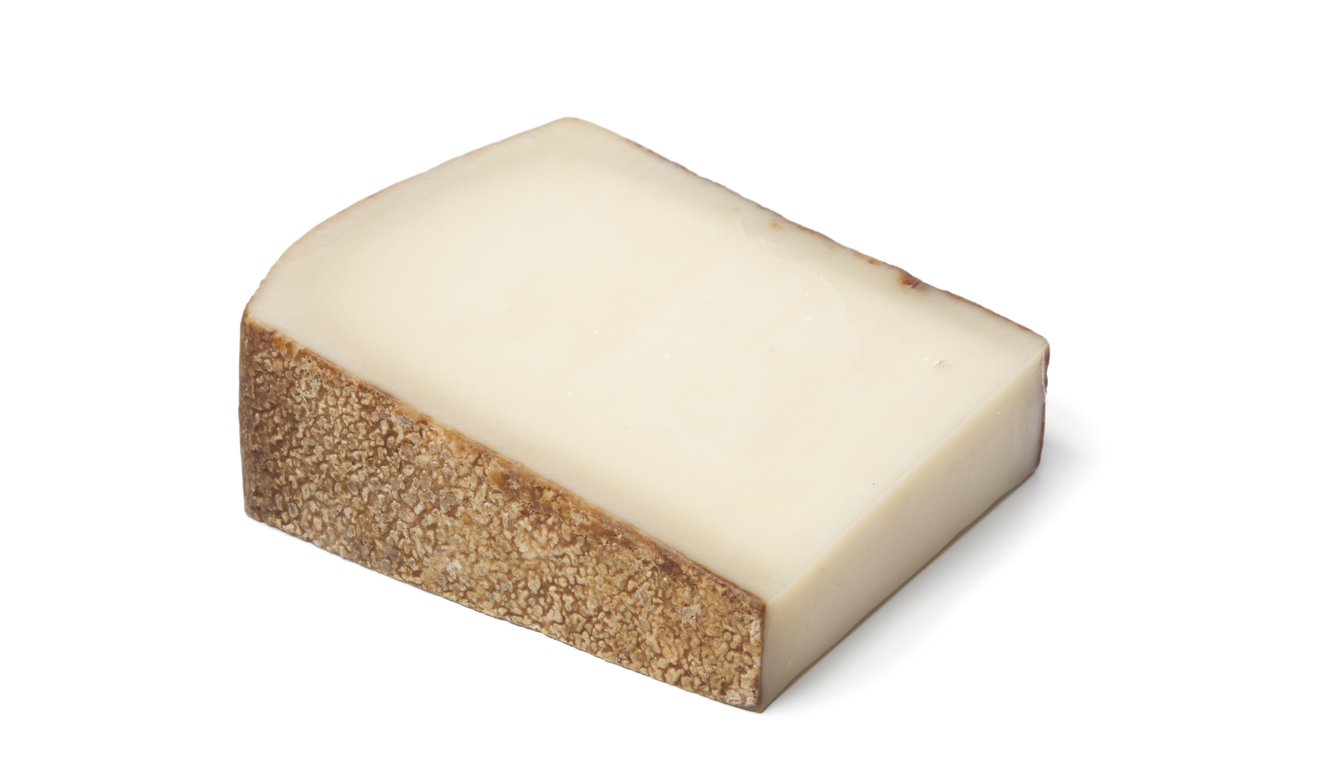
Protein content: approx. 29g per 100g
Authentic Swiss Gruyère isn’t just cheese—it’s a functional food. Made from raw milk from cows grazing on alpine meadows and aged for at least 12 months, Gruyère is rich in protein, essential nutrients, and anti-inflammatory compounds.
Why It’s Ideal for Athletes
-
Propionic Acid & Gut Health: The propionibacteria used in Gruyère’s fermentation produce propionic acid, a short-chain fatty acid that lowers inflammation, improves gut health, and reduces LDL cholesterol.
-
B12 Powerhouse: Gruyère provides more B12 per gram than most meats, supporting red blood cell formation and energy production—critical for endurance athletes and those with plant-based diets.
-
Glutathione Precursors: Gruyère contains amino acids like cysteine and glycine that help produce glutathione, the master antioxidant essential for cellular repair and detoxification.
Athletic Edge
-
Muscle Maintenance: The long aging process pre-digests the protein into peptides, which can be rapidly absorbed—ideal for post-workout muscle recovery.
-
Cardiovascular Benefit: Gruyère’s lactotripeptides may help reduce blood pressure by inhibiting ACE (angiotensin-converting enzyme), much like some medications.
How to Eat It: Melt it into soups or pair it with whole-grain bread post-workout. Warming enhances nutrient bioavailability, especially for B-vitamins and peptides.
2. Grass-Fed Raw Cheddar: The Anti-Inflammatory All-Star
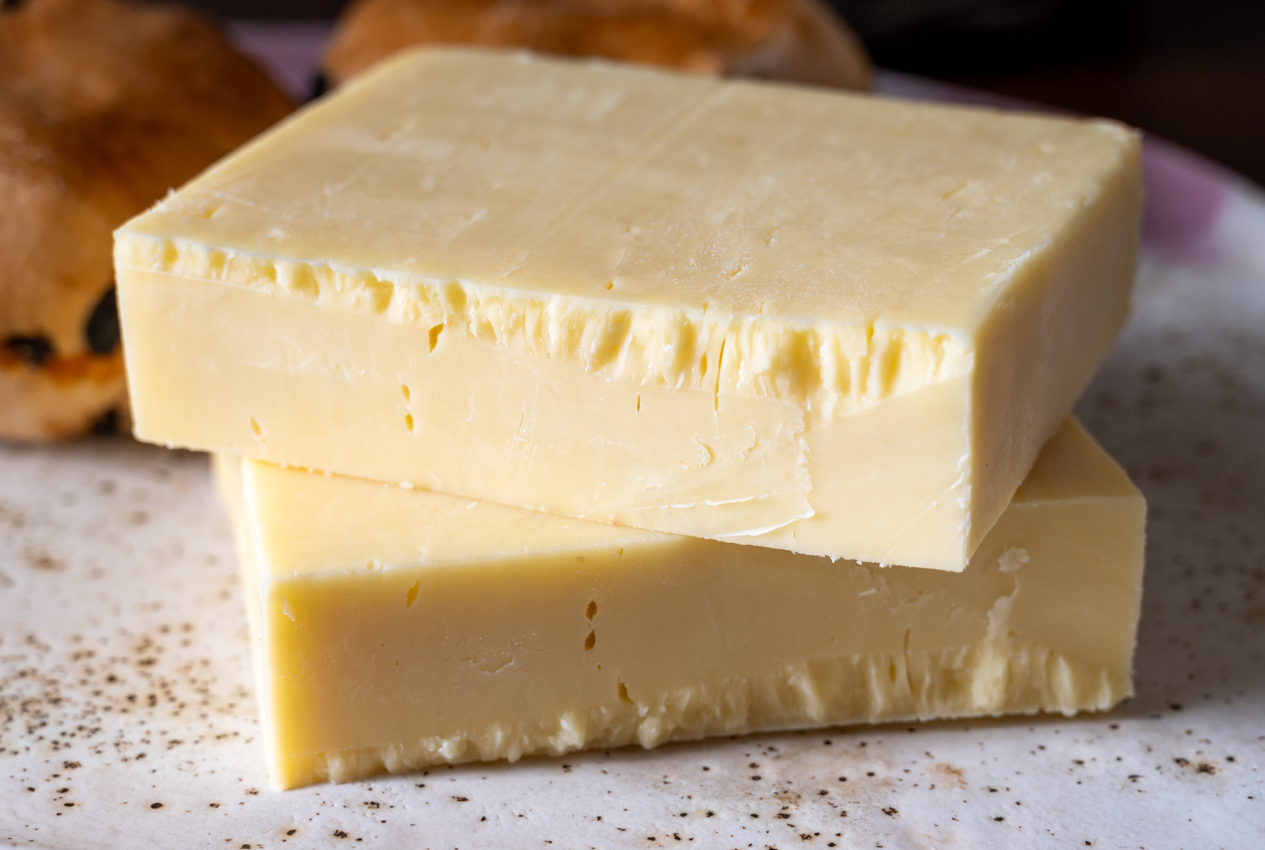
Protein content: approx. 25g per 100g
Made from raw milk and aged for 60+ days, grass-fed raw cheddar contains significantly more nutrients than conventional versions—and it retains live enzymes and probiotics destroyed by pasteurization.
Why Grass-Fed Cheddar Shines
-
Rich in CLA: Grass-fed cheddar contains up to 500% more conjugated linoleic acid (CLA), a fatty acid that helps reduce abdominal fat, increase lean muscle, and support insulin sensitivity.
-
Omega-3s and Fat-Soluble Vitamins: You'll also find higher levels of vitamins A, D3, and E—key for immune strength, bone density, and hormone production.
-
K2 Mk-4 Content: This version of vitamin K2 is especially potent in directing calcium away from arteries and toward bone tissue.
For the Active Lifestyle
-
Gut-Friendly: Raw cheddar supports gut health with probiotic strains and postbiotic compounds that improve nutrient absorption and reduce inflammation.
-
Joint Support: Anti-inflammatory fats and fat-soluble vitamins support cartilage and connective tissue—important for athletes under physical stress.
How to Eat It: Let it sit out for 20–30 minutes before consuming to activate enzymes. Try pairing it with fermented vegetables for a probiotic boost.
3. Parmigiano Reggiano: The Digestive and Bone Health Champion
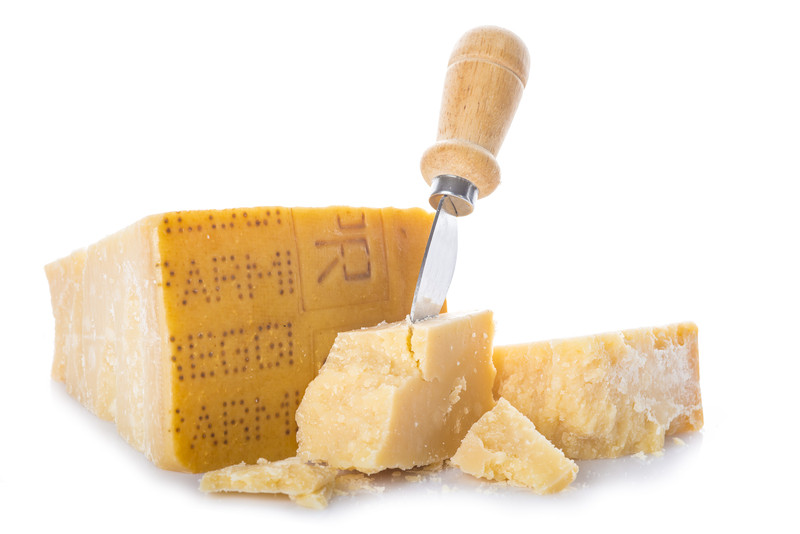
Protein content: approx. 35–38g per 100g
Parmigiano Reggiano—often called “the king of cheeses”—is aged for 24 to 36 months and made with centuries-old techniques. Its high density of bioavailable nutrients and digestibility make it a sports nutrition gem.
What Makes It Special
-
Unmatched Protein Quality: Its high amino acid content makes it one of the most complete proteins outside of meat and whey.
-
Mineral Density: With approx. 330mg of calcium per ounce and a perfect balance of magnesium and phosphorus, it’s ideal for maintaining strong bones and teeth.
-
Pre-Digested Structure: Aging breaks proteins into smaller chains, making them easier to digest—even for those with lactose intolerance or sensitive GI systems.
Recovery and Mental Performance
-
Mood Regulation: Contains tyrosine, a dopamine precursor, which helps support mood, focus, and motivation—great for pre-training clarity or post-training recovery.
-
Sleep Quality: Contains peptides that promote relaxation and calmness, especially when consumed in the evening.
How to Eat It: Break it into small chunks (not grated) and pair with a few drops of aged balsamic vinegar. Ideal after strength training to promote calm and recovery.

4. Aged Gouda: The K2 and CLA King
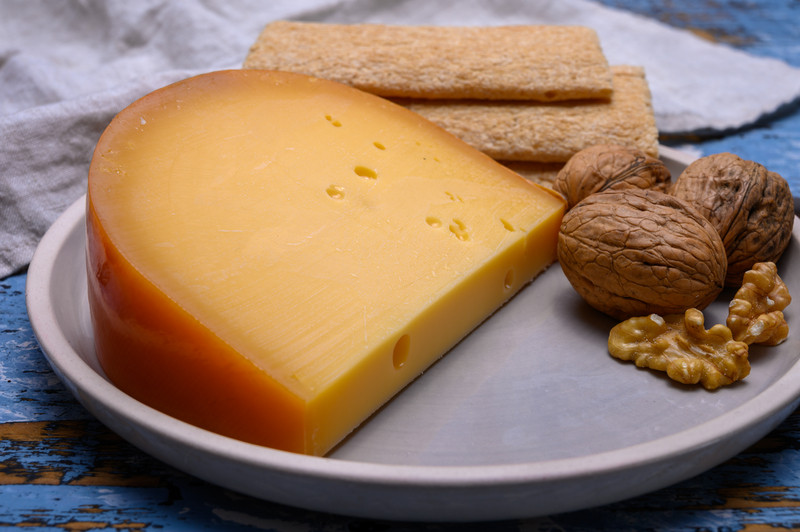
Protein content: approx. 25g per 100g
When aged for 18+ months, Gouda becomes a rich source of hard-to-find nutrients like vitamin K2 (MK-7), which plays a pivotal role in cardiovascular and skeletal health.
Aged to Nutritional Perfection
-
Vitamin K2 Hero: Aged Gouda delivers approx. 75 mcg of K2 per ounce—far more than most people consume in a week. This nutrient directs calcium into bones and away from arteries.
-
High in CLA: Like grass-fed cheddar, aged Gouda contains CLA, supporting fat loss and inflammation control.
-
Postbiotic Benefits: As it ages, Gouda forms compounds that support gut barrier integrity, immune modulation, and even neurotransmitter balance.
Why Athletes Should Love It
-
Lactose-Free: The aging process eliminates most lactose, reducing GI discomfort and bloating.
-
Easy Absorption: Its protein and fats are broken down into highly usable forms—providing nourishment without digestive stress.
How to Eat It: Consume 1 to 1.5 oz. with whole grain crackers or sliced apples to support postbiotic synergy and enhance satiety.
Cheese Comparison Table
| Cheese |
Protein (per 100g) |
Key Strength |
Unique Benefit |
Best Time to Eat |
| Swiss Gruyère |
approx. 29g |
Heart and antioxidant support |
Rich in B12 and glutathione precursors |
Post-endurance |
| Grass-Fed Raw Cheddar |
approx. 25g |
Anti-inflammatory and gut-supporting |
CLA, Omega-3s, live enzymes |
Afternoon snack |
| Parmigiano Reggiano |
approx. 35–38g |
Bone strength and protein density |
High in tyrosine, calcium, and digestibility |
Post-strength meal |
| Aged Gouda |
approx. 25g |
Cardiovascular and gut health |
Best whole-food source of K2-MK7 + CLA |
Evening or snack |
How to Shop for the Right Cheese
Not all cheeses are created equal. Here's what to look for when choosing the healthiest options:
-
Raw Milk or Traditional Production: These cheeses retain enzymes and nutrients lost in industrial processing.
-
Aged at least 12 Months: Aging enhances digestibility, concentrates nutrients, and eliminates most lactose.
-
Grass-Fed Milk: Ensures higher CLA, omega-3s, and vitamin content.
-
Country of Origin: Look for certification labels like “Parmigiano Reggiano,” “Appellation d'Origine Protégée (AOP),” or “PDO (Protected Designation of Origin)” to ensure authenticity.
-
No Additives: Avoid cheeses with preservatives, anti-caking agents, or flavor enhancers.
Final Tips: Using Cheese to Support a Fitness Lifestyle
-
Keep Portions Smart: 1 to 3 ounces per day is plenty to get the benefits without going overboard on saturated fat or sodium.
-
Post-Workout Fuel: The peptides and amino acids in aged cheese are ideal after training sessions.
-
Pair With Fiber: Whole grain crackers, fresh fruit, or fermented vegetables enhance digestion and nutrient absorption.
-
Rotate Your Cheeses: Each variety brings unique benefits—cycling through them helps you cover your nutritional bases.

In Essence: Nature’s Original Performance Snack
In an age of artificial supplements, hyper-processed protein bars, and overhyped superfoods, these four cheeses offer something refreshingly simple—and scientifically powerful. They’re rich in protein, loaded with micronutrients, and shaped by centuries of tradition that modern food science is only beginning to fully appreciate.
Whether you’re pushing for peak performance, maintaining strength and bone density, or simply trying to eat smarter, these cheeses aren’t just indulgent—they’re intelligent. Give them a place in your diet, and let nature do the heavy lifting.
Your next performance enhancer may just be wrapped in wax paper.