Health, Padel, Pickleball, Tennis
How Heart Health Changes for Athletes as They Age

Genetics, age, training levels, and health conditions can influence the complex relationship between exercise and heart health. It’s essential to understand how the heart ages and the modifications you can make to your workouts. Understanding these age-related changes can help athletes and their coaches train safely and prevent cardiovascular issues.
How The Athlete’s Heart Adapts
When you exercise for over an hour most of the week, your heart can experience structural and functional changes. This adaptation is called an athlete’s heart — a normal response to intense, aerobic exercise. The left ventricle can grow and develop thicker muscle to meet your need for oxygen in high-endurance exercises like swimming and cycling.

Age-Related Changes in Heart Health
The heart naturally changes as you age, impacted by lifestyle, genetics, and environment. Common age-related heart issues include:
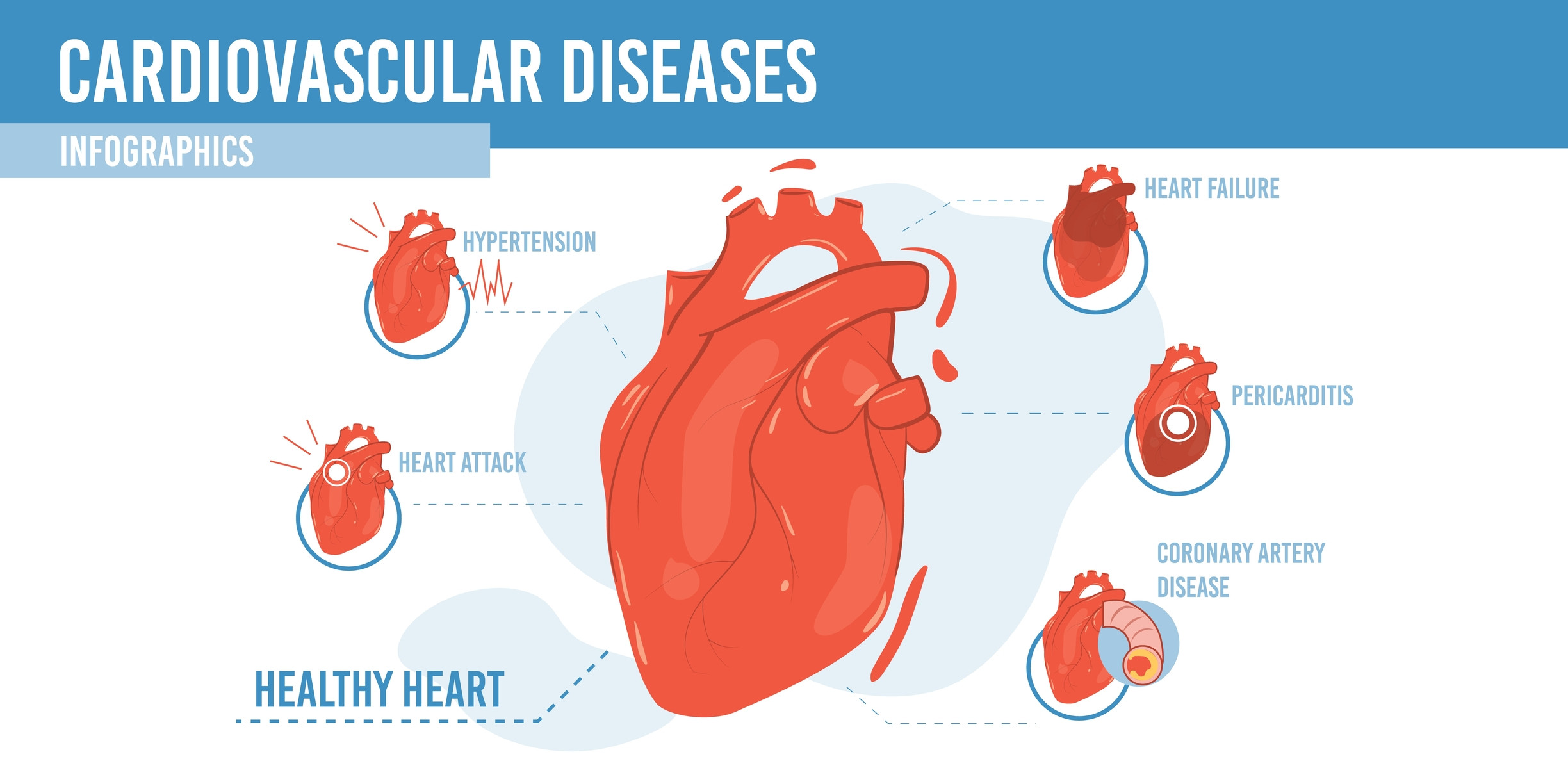
- Heart disease: This is most common in adults aged 65 and older and can develop due to a variety of other conditions.
- Hypertension: Also known as high blood pressure, hypertension is seen in 47.7% of adults, and its prevalence rises with age. It can cause problems if uncontrolled.
- Atherosclerosis: The buildup of cholesterol and fat can restrict blood flow, which can be managed by eating whole foods and staying active at any age.
- Arterial stiffness: When artery walls become rigid, blood flow can be reduced, and blood pressure can rise. Blocked arteries and blood clots can result in strokes, especially in men over age 45 and women over age 55.
- Arrhythmias: Abnormal heart rhythm — a resting heart rate of over 100 beats per minute or below 60 beats per minute — can occur due to age, excessive exercise, or electrolyte imbalances.
There are differences between how athletes’ and nonathletes’ hearts change with age. Physical fitness allows the heart to pump more oxygen and handle higher blood pressure, reducing cardiovascular disease risk. However, due to high levels of endurance exercise, athletes are two to 10 times more likely to develop atrial fibrillation and cardiomyopathies. While exercise can be very good for heart health, it is also important that athletes mix training intensities and incorporate rest into their routines.
Screening and Prevention
Regular cardiovascular screening is essential for maintaining heart health and identifying potential concerns in athletes and individuals, especially as they age. To prevent heart disease and stroke, the American Heart Association recommends screenings for:
- Blood pressure: If your blood pressure is below 120/80 mm-Hg, you should have it tested once a year.
- Cholesterol: Normal-risk adults should be tested every four to six years.
- Body weight: Your weight will be recorded during annual doctor’s visits and other physical examinations.
- Blood glucose: People over 45 should be tested for diabetes and have the test repeated every three years.
It’s important to seek medical attention promptly if you’re experiencing symptoms of heart disease, which can include chest pain, irregular heartbeats, or shortness of breath.

Training Adjustments for Lifelong Heart Health
Training should be modified as athletes age and their fitness levels change over time. Limit the number of high-intensity sessions per week, combine different types of exercises, and increase rest and active recovery days.
1. Manageable Intensity and Interval Workouts
High-intensity interval training (HIIT) workouts alternate between effort and recovery. Athletes begin with manageable intervals and then gradually increase the intensity.
As the body and heart age, athletes might not be able to push themselves as much as they used to. Harvard Health Publishing recommends doing HIIT exercises two to three times weekly and modifying it to suit fitness levels.

2. Exercises for Heart Health
Cross-training is excellent for improving heart health as an athlete. By incorporating different forms of exercise, you can experience a more well-rounded, heart-healthy routine, gain a wider range of benefits, and reduce strain from repetition.
Athletes of any age can give the following types of exercises a try:
- Cardio: Aerobic exercise can strengthen the heart and lungs and build stamina. Walking, water aerobics, cycling, and yoga are ideal cardio exercises for older athletes.
- Mobility: Try lunges, squats, hip flexors, leg swings, and more mobility exercises. These motions have a range of benefits, from fluid circulation to mind-body connection, and can be modified to target specific muscle groups.
- Resistance: Use weights, resistance bands, or your own body weight for resistance training. Studies suggest that resistance training — which increases the body’s ability to build muscle and burn calories — can be as practical as aerobic exercise in preventing cardiovascular diseases in older athletes.
- Stability: Enhancing balance and coordination can help prevent injuries during physical activity. Heel-to-toe raises, tree poses, and back leg raises are great stability motions to practice.
3. Recovery Is Key
Recovery is equally essential for lifelong heart health. To avoid physical and mental burnout, athletes of all ages should prioritize healthy rest habits.
Fluid and nutritional intake changes as athletes age. For instance, those reaching 60 should eat 40 grams of protein at a minimum in each meal, while younger people can get away with 20-25 grams.
Similarly, all athletes can benefit from eight to 10 hours of sleep each night, which allows their bodies to adapt to and recover from physical activity. Chronic stress can trigger heart problems like high blood cholesterol or plaque buildup in the arteries, so it’s important to find coping mechanisms that work for you.
Always pay attention to warning signs during or after exercise, like unusual fatigue or soreness, and further modify your workouts as necessary. Reach out to your doctor if you experience new or persistent problems.

Stay in the Game as You Age
Proactively managing your heart’s health can promote a healthier lifestyle and prevent heart disease. Older athletes can enjoy the cardiovascular advantages of physical fitness but may require workout modifications to suit their aging hearts. For the best outcomes, training should be tailored to each athlete’s health status and goals.