We only get one body, and after years of knowing better but not fully living it, I finally decided to act like it truly matters.
One year ago, I launched what I now call The Blue Egg Project, a personal health transformation inspired by two things:
-
The wisdom of the Blue Zones, those remarkable places where people live the longest, healthiest lives.
-
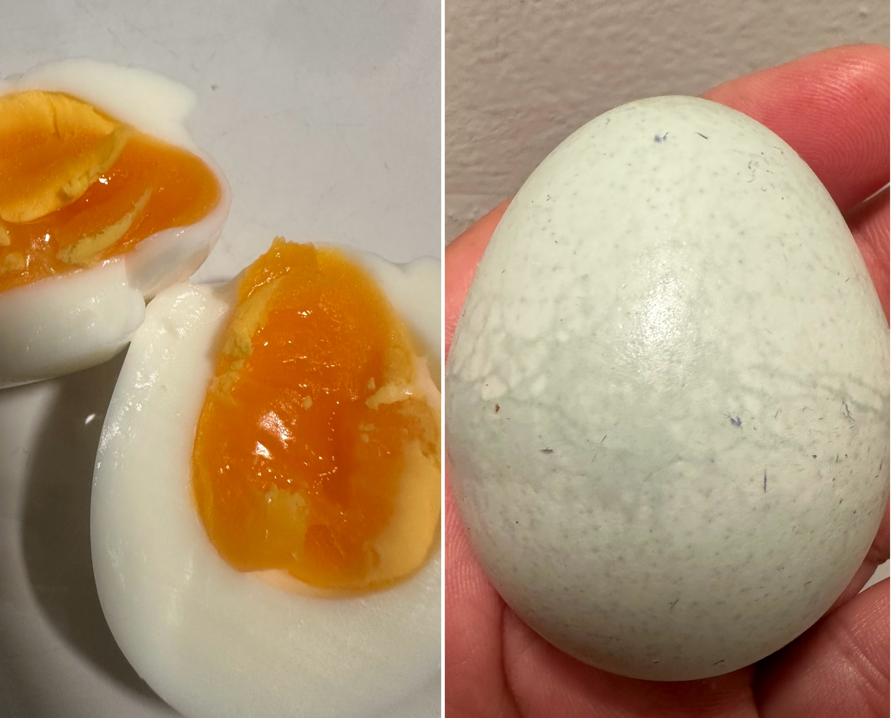
And yes, the famous blue eggs, which quickly became a daily staple of my diet and a symbol of returning to simple, nutrient-rich foods.
My goal in sharing this isn’t to provide a rigid blueprint; everyone’s path is unique. It’s to motivate anyone who’s thinking about starting their journey toward better health by showing exactly what I did, without holding anything back. I’ve also included links to resources and articles that helped guide me, in case they’re helpful to you too.
We only get one body, and after years of knowing better but not fully living it, I finally decided to act like it truly matters.
One year ago, I launched what I now call The Blue Egg Project, a personal health transformation inspired by two things:
-
The wisdom of the Blue Zones, those remarkable places where people live the longest, healthiest lives.
-
And yes, the famous blue eggs, which quickly became a daily staple of my diet and a symbol of returning to simple, nutrient-rich foods.
My goal in sharing this isn’t to provide a rigid blueprint; everyone’s path is unique. It’s to motivate anyone who’s thinking about starting their journey toward better health by showing exactly what I did, without holding anything back. I’ve also included links to resources and articles that helped guide me, in case they’re helpful to you too.
My daily routine: building discipline
My days start early. Really early.
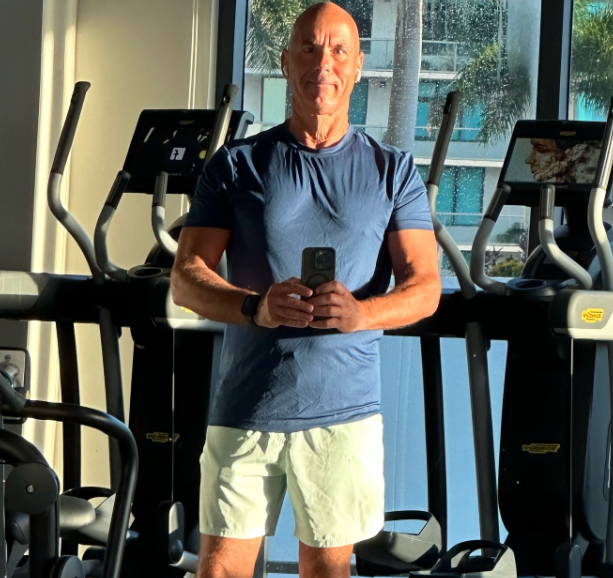
I wake up around 5:00 AM, lace up my shoes, and walk 4K to the gym. I train there for 30 to 45 minutes, then we have a coffee time with the team before I walk back home. It’s become my daily foundation—non-negotiable. The bonus is that I never miss a lovely sunrise when it is not cloudy.

Throughout the day, if I have long calls, I turn them into walking meetings to get more steps in. Once a week, I add a session of EMS training (read why I do it).

I also carve out time for tennis once per week, because beyond the joy of the game, studies have shown tennis can add 10-15 years to your life expectancy.
What I stopped, and what I added
The biggest change? Sugar.
80% of your results come from your diet.
I decided to cut all added sugar and limit my carbs to fruits (I love blueberries), some sweet potatoes, and some rye bread once a week. (More on why low-glycemic foods matter here).
Two weeks was all it took for my sugar cravings to disappear for good. Before that, I was baking cakes every weekend—hard to believe now.
I don’t do “cheat days,” I call them “treat days.” Because treats are part of life, and for me, that’s often a square of dark chocolate. But the compulsion? Gone.
What I fuel my body with
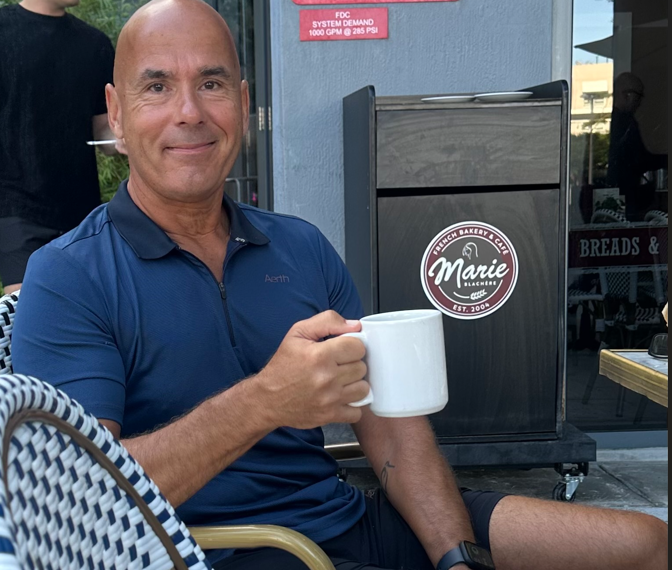
First of all, I love my black coffee in the morning, with good friends. It is an important part of my routine.
I make sure to eat 1 gram of protein per pound of body weight every day. That means I often use a protein supplement to hit my leucine threshold, critical for muscle maintenance as we age (read why).
I eat whole eggs daily, 2 to 3 every day (eggs are a powerhouse). I have fish 2-3 times a week, mostly sardines or mackerel fillets. If my diet is lacking in connective tissue, I supplement with collagen (learn more).
I’ve also incorporated:
And importantly, I stopped drinking alcohol. That alone has made a noticeable difference in my energy, sleep, and recovery.
Why calories and protein matter more than salads
Another huge lesson from this year:
It’s not just about eating less — it’s about eating enough of the right things.
Too many people think living on green leaves will transform their bodies. The truth?
That might shrink the scale for a while, but it won’t build the foundation for long-term health or performance.
Your body needs adequate calories to fuel your daily activity and workouts, and it absolutely needs enough protein to maintain or build muscle. That’s critical because muscle mass is what keeps your metabolism running higher.
Protein also makes your body work harder: it burns significantly more calories during digestion compared to carbs or fats. That’s why higher-protein diets often deliver a slight metabolic boost, keep you fuller longer, and protect lean muscle mass, which is essential whether you’re trying to lose fat or stay strong. (Here’s more on why calories really matter.)
Yes, to lose bad weight (fat), you need to be in a calorie deficit. But to build or even preserve muscle, you need enough protein. It’s a balance that makes the difference between simply getting lighter and actually getting healthier, stronger, and more resilient.
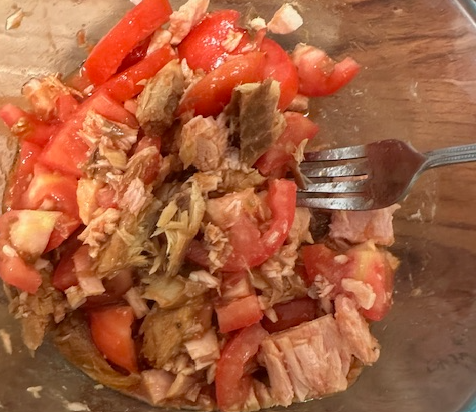
60g protein, tomatoes, and Mackerel filet salad
You can’t improve what you don’t measure
Another major shift this year has been how I track my progress.
I’ve always had routine blood tests (thanks to donating blood regularly), which have provided snapshots of my cholesterol, triglycerides, and overall metabolic health. However, I recently took it a step further.
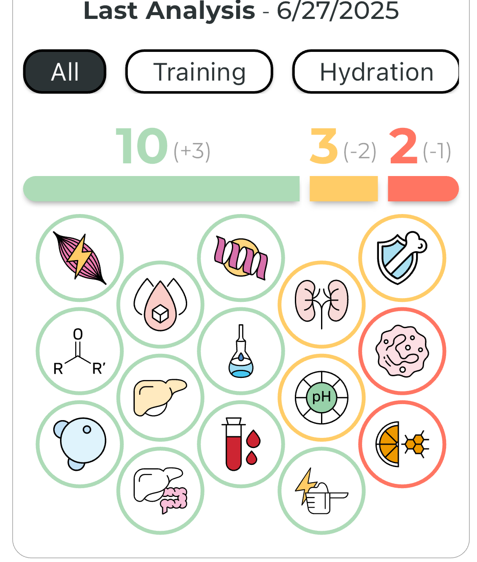
Now, I run weekly MyDoxa urine biomarker tests (read how) to monitor hydration, recovery, and nutrient status almost in real-time. This provides me with direct, actionable feedback that I can use to adjust my training, supplements, or hydration immediately.
Because here’s the truth:
You cannot make meaningful progress if you’re not measuring.
That’s also why I track my daily active calories burned, steps walked, and workouts completed on my Apple Watch. In this blog, you’ll see screenshots—proof that consistency isn’t just an idea, it’s a daily habit backed by data.
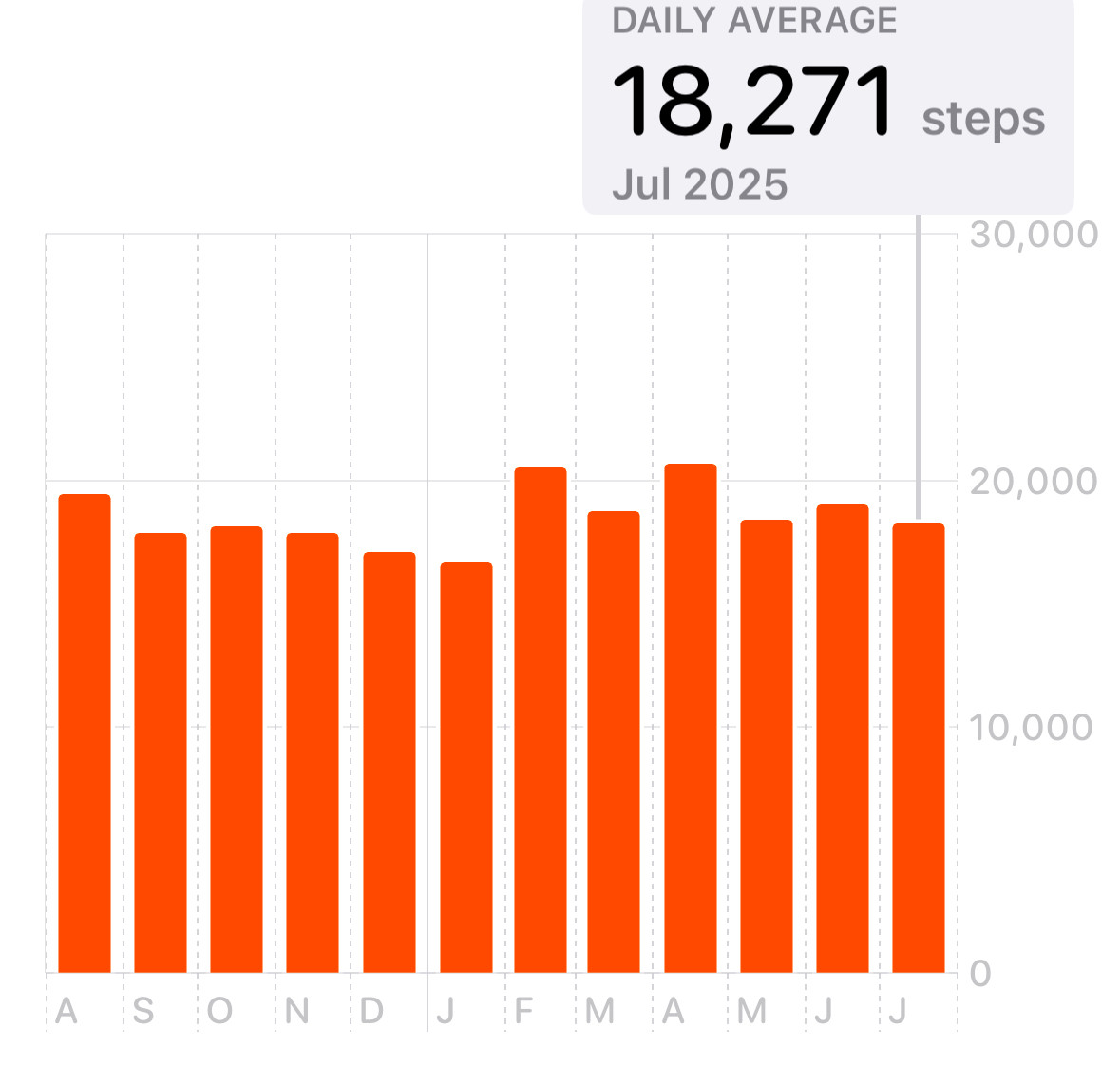
Knowing my numbers keeps me accountable. It turns vague intentions into precise goals and keeps me honest on days I might otherwise cut corners.
Where I stand today
As I write this, the numbers tell the story:
But I’m not done. I still need to drink more water, and that’s the next habit I’m fine-tuning.
Discipline over hacks
Everyone is different. What worked for me may need tweaks for you.
But some truths are universal: discipline matters, and setting weekly goals that you can achieve is the real secret.
Two weeks was all it took to ditch my sugar cravings. Now, I enjoy treats, like a piece of dark chocolate, without losing control.
I started the Blue Egg Project for my health, but also to live the same expert insights we share daily on SportsEdTV because leadership means walking the talk.
If you want to explore the resources that guided me, start with SportsEdTV’s library and dig into the same world-class content that kept me on track.