Why Most Athletes Get Collagen (and Protein) Wrong
Most athletes got their early nutrition advice from either their strength coach… or someone on Instagram.
Sometimes, that advice was helpful.
Other times, let’s say the bar was low.
Even at the professional level, I’ve seen top-tier athletes follow outdated supplement advice that works against their performance.
One of the biggest offenders? Whey protein.
It's marketed as the ultimate recovery tool, yet it’s missing key building blocks that your body actually needs.

Collagen vs Whey Protein: The Missing Link in Recovery
Your body doesn’t just need protein to build muscle.
It needs specific amino acids to rebuild:
-
Joint tissue
-
Skin and fascia
-
Ligaments and tendons
-
Gut lining
Why Most Athletes Get Collagen (and Protein) Wrong
Most athletes got their early nutrition advice from either their strength coach… or someone on Instagram.
Sometimes, that advice was helpful.
Other times, let’s say the bar was low.
Even at the professional level, I’ve seen top-tier athletes follow outdated supplement advice that works against their performance.
One of the biggest offenders? Whey protein.
It's marketed as the ultimate recovery tool, yet it’s missing key building blocks that your body actually needs.
Collagen vs Whey Protein: The Missing Link in Recovery
Your body doesn’t just need protein to build muscle.
It needs specific amino acids to rebuild:
-
Joint tissue
-
Skin and fascia
-
Ligaments and tendons
-
Gut lining
That’s where collagen comes in.
But collagen doesn’t show up in most conventional protein powders — especially not whey.
If your gut is inflamed, your immune system taxed, or your hormones are off, whey might be adding to the fire¹.
Best Natural Sources of Collagen for Athletes
The best sources?
Whole animal foods.
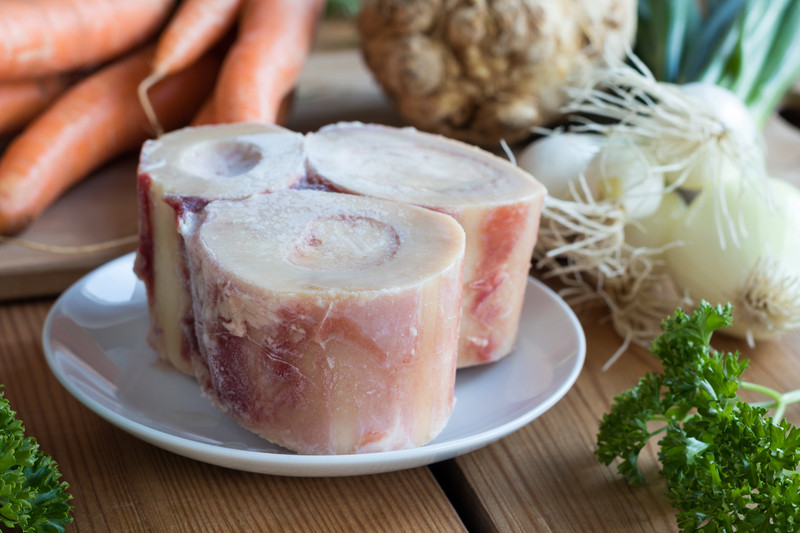
What our ancestors ate — bones, organs, connective tissue, broth.
Here’s a real example:
Beef heart has 90% more collagen than a ribeye.
And yet we prioritize lean cuts for taste and “macros,” missing the structural protein that holds us together.
Collagen is the scaffolding of your body.
It gives strength, stretch, and repair capacity to your skin, joints, and fascia².
Why Selenium Matters for Collagen Production and Athletic Performance
To make collagen work, your body needs more than amino acids.
It requires cofactors — minerals such as selenium.
Most athletes are told: “Just eat a Brazil nut a day.”
But here’s the reality:
-
Selenium levels in Brazil nuts vary wildly based on soil quality³
-
Most contain only 68–91 mcg, while that viral “1 nut = 1,900 mcg” stat came from an outlierâ´
-
The plant-based form (selenomethionine) needs to be converted by your body into its usable form
-
Many athletes — especially those with gut issues — don’t convert it well
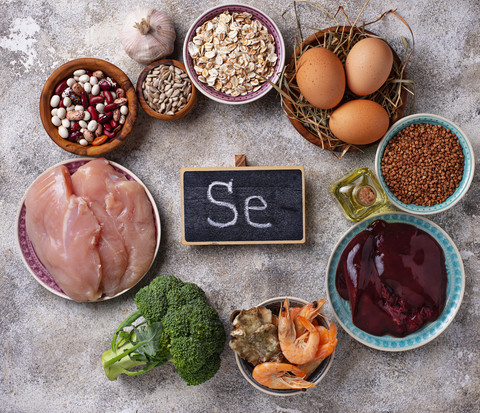
Compare that to beef kidneys, sardines, tuna, and eggs, which offer selenocysteine — the active form your cells actually useâµ.
Selenium supports:
-
Thyroid hormone activation
-
Glutathione production (your internal antioxidant)
-
Detoxification pathways
-
Fertility and immune function
Low selenium = slower recovery, hormonal imbalance, brain fog, and poor performance.
Types of Collagen: Which Ones Do Athletes Actually Need?
There are 28 types of collagen, but here are the big three for athletes:
-
Type I – Found in skin, bones, and tendons (beef, fish)
-
Type II – Found in cartilage (chicken sternum, trachea)
-
Type III – Found in organs, arteries, bone marrow (heart, liver, connective tissue)â
That’s why your recovery shake won’t cut it.
You need full-spectrum support.

How to Choose the Right Collagen Supplements for Recovery
Here’s your real-food hierarchy:
Tier 1: Eat the real thing
-
Grass-fed organs (heart, liver, kidney)
-
Wild-caught fish (sardines, anchovies, wild salmon)
-
Bone-in cuts and homemade broths
Tier 2: Organ supplements (if you’re not eating them)
Tier 3: Collagen powders
-
Bone broth protein (non-denatured)
-
Multi-type collagen blends (Types I, II, III)
Avoid gimmicky “beauty collagen” powders loaded with sweeteners and fillers.
Stick to clean, functional sources.
Collagen for Joints, Gut Health, and Injury Prevention
Collagen doesn’t just help sore joints or aging skin.
It supports:
-
Gut lining integrity (preventing leaky gut and inflammation)â·
-
Connective tissue resilience (preventing injury)â¸
-
Faster recovery from heavy loads, high reps, and high-stressâ¹
If you’re only focused on macros — you’re missing the infrastructure.
Should Athletes Take Collagen? Key Takeaways
Collagen is foundational, not flashy, not trendy, but absolutely necessary. Performance isn’t built on protein shakes alone; it’s built on systems that repair faster than they break. That’s why it pays to eat the organs, sip the broth, and if you’re going to supplement, do it with intention. Your fascia, joints, and recovery time aren’t just side stories; they are the story. If you want to stay strong, mobile, and resilient for the long haul, don’t just fuel your muscles. Nourish the connective tissue and inner framework that hold everything together because true athletic longevity starts beneath the surface.
References
-
Ma N, Guo P, Zhang J, He T, Kim SW, Zhang G, Ma X. Nutrients. 2017;9(3):251. doi:10.3390/nu9030251
-
Shoulders MD, Raines RT. Collagen structure and stability. Annu Rev Biochem. 2009;78:929–958.
-
Institute of Medicine. Dietary Reference Intakes for Vitamin C, Vitamin E, Selenium, and Carotenoids. 2000.
-
Thomson CD. Assessment of requirements for selenium and adequacy of selenium status: a review. Eur J Clin Nutr. 2004;58(3):391–402.
-
Rayman MP. The importance of selenium to human health. Lancet. 2000;356(9225):233–241.
-
Ricard-Blum S. The collagen family. Cold Spring Harb Perspect Biol. 2011;3(1):a004978.
-
van Wijck K, et al. Exercise-induced splanchnic hypoperfusion results in gut dysfunction in healthy men. PLoS One. 2011;6(7):e22366.
-
Shaw G, et al. Vitamin C-enriched gelatin supplementation before intermittent activity augments collagen synthesis. Am J Clin Nutr. 2017;105(1):136–143.
-
Lis D, et al. Dietary strategies to optimize recovery in athletes. Curr Sports Med Rep. 2019;18(6):222–229.