Health, Nutrition
Berberine: A Powerful Tool for Glucose Control or an Overstated Supplement?
Berberine has become one of the most discussed natural compounds in the field of metabolic health. Often compared to pharmaceutical agents like Metformin, it is promoted for its ability to regulate blood sugar, improve insulin sensitivity, and support overall metabolic function.
But beyond the growing popularity, the key question remains: does the scientific evidence support the claims?
This article examines the mechanisms, clinical data, limitations, and emerging formulations, such as dihydroberberine, to provide a clear, evidence-based perspective.

What Is Berberine?
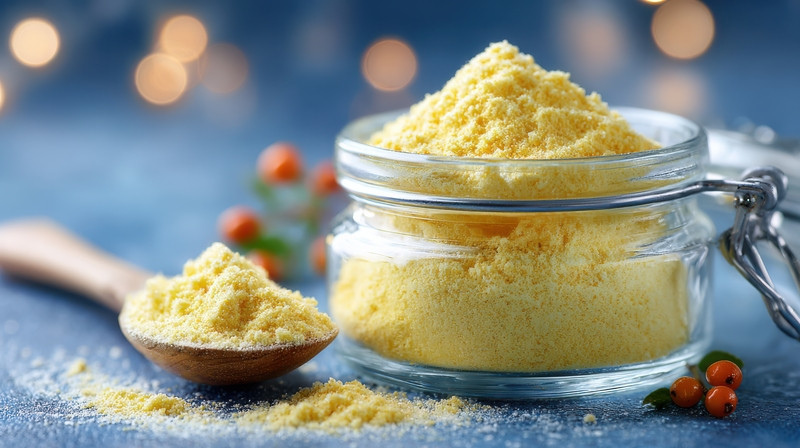
Berberine is a bioactive compound extracted from several plants, including barberry and goldenseal. Traditionally used in herbal medicine, it is now widely studied for its effects on glucose metabolism and cardiovascular health.
Its growing relevance comes from its ability to influence multiple physiological pathways simultaneously, making it more than a single-target supplement.
How Berberine Works in the Body
One of the defining characteristics of berberine is that it does not rely on a single mechanism. Instead, it affects several systems involved in metabolic regulation.
Activation of AMPK
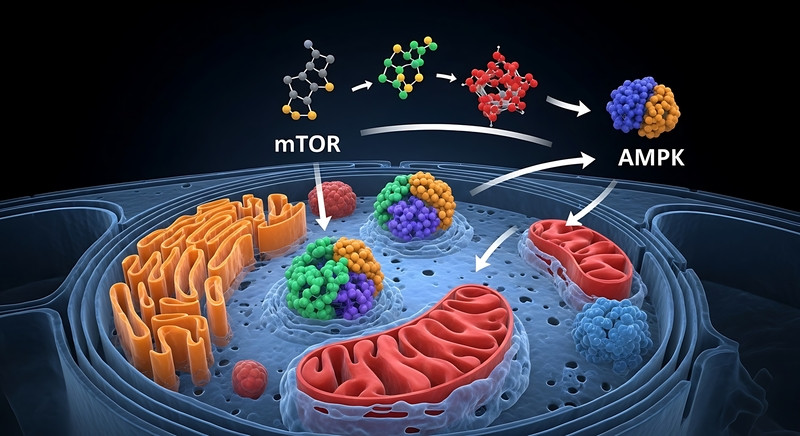
The most important mechanism is the activation of AMP-activated protein kinase, commonly referred to as AMPK.
AMPK functions as an energy sensor within cells. When activated, it increases glucose uptake in muscle tissue, reduces glucose production in the liver, and improves insulin sensitivity. This mechanism is central to metabolic health and is also the primary pathway targeted by metformin.
Effects on Blood Glucose and Insulin Sensitivity
Clinical research consistently shows that berberine can lower fasting blood glucose and improve insulin sensitivity. Reductions in HbA1c observed in studies are comparable to those seen with some first-line pharmaceutical treatments, typically ranging from 0.7 to 1.4 percent.
These effects make berberine particularly relevant for individuals with insulin resistance or prediabetes.
Liver Function and Glucose Regulation
The liver plays a central role in maintaining glucose balance. Berberine helps regulate hepatic glucose production by influencing pathways involved in gluconeogenesis. It also contributes to improved lipid metabolism, which is closely linked to metabolic health.
Anti-Inflammatory Effects
Chronic low-grade inflammation is a key contributor to insulin resistance. Berberine has been shown to reduce inflammatory markers such as interleukin-6, supporting a more favorable metabolic environment.
Impact on the Gut
Berberine may also act at the gastrointestinal level by reducing carbohydrate absorption and influencing the gut microbiome. These effects contribute to lower post-meal glucose spikes and improved metabolic control.
What the Research Shows
The body of research on berberine is substantial and generally consistent in its findings.
Studies demonstrate improvements in:
- Blood glucose levels
- Insulin sensitivity
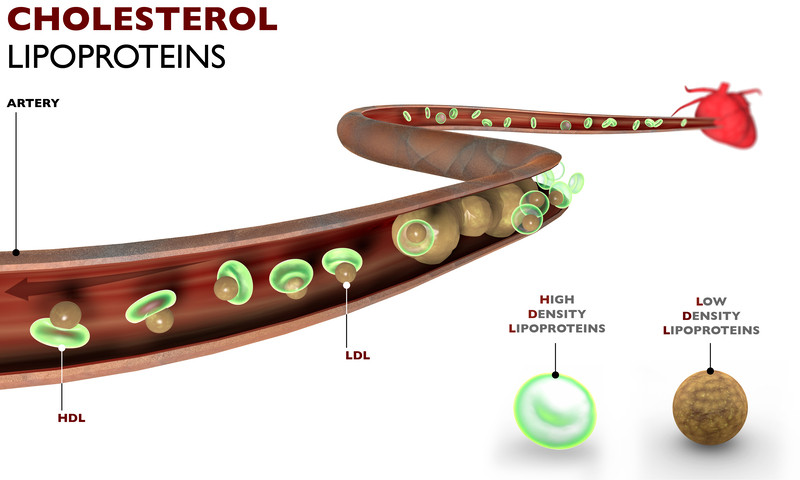
- Lipid profiles, including reductions in LDL cholesterol and triglycerides
Meta-analyses of randomized controlled trials confirm that berberine produces clinically meaningful improvements in metabolic markers.
However, it is important to recognize that many studies are relatively short in duration and vary in design. While the results are promising, the level of evidence is not yet comparable to that of long-established pharmaceutical interventions.

The Key Limitation: Bioavailability
Despite its benefits, berberine has a significant limitation: poor bioavailability.
After oral ingestion, only a small fraction of berberine reaches systemic circulation. This is due to limited absorption in the gut and rapid metabolism in the liver.
As a result, effective doses are relatively high, typically ranging from 500 mg to 1500 mg per day, often divided into multiple doses.
Side Effects and Tolerability
The most commonly reported side effects are gastrointestinal and include bloating, constipation, and abdominal discomfort. These issues tend to increase with higher doses and can affect adherence.
Dihydroberberine: A More Efficient Alternative?
To address bioavailability challenges, newer formulations such as dihydroberberine have been developed.
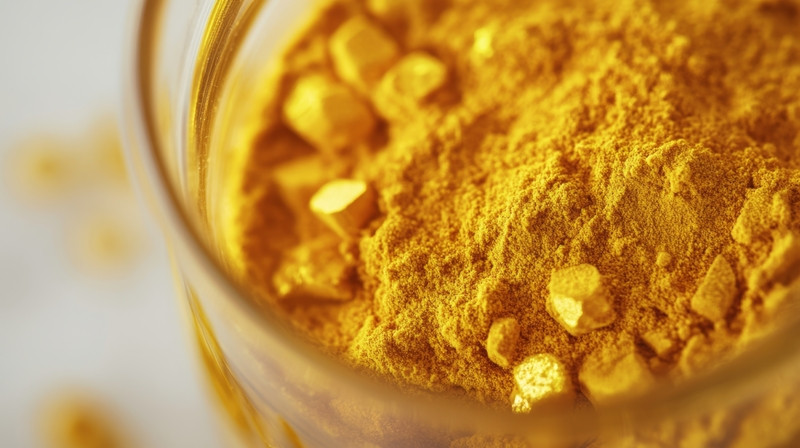
Dihydroberberine is a reduced form of berberine that is absorbed more efficiently. Research comparing standard berberine with dihydroberberine shows that significantly higher blood concentrations can be achieved with lower doses.
For example, studies have demonstrated that 100 mg of dihydroberberine can produce greater systemic exposure than 500 mg of standard berberine.
This suggests that dihydroberberine may allow for lower dosing with similar or improved effects, potentially reducing gastrointestinal side effects.
However, research on dihydroberberine remains limited compared with the extensive data available on standard berberine.

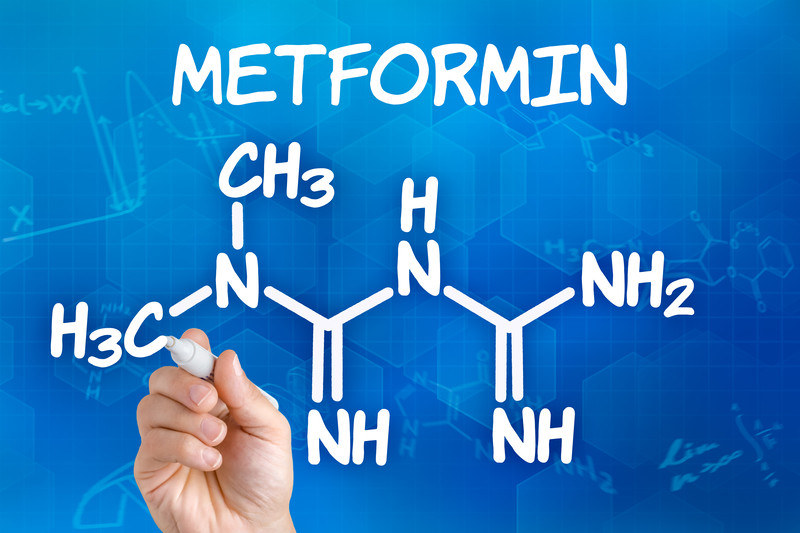
Berberine vs Metformin: A Valid Comparison?
The comparison between berberine and metformin is often overstated.
While both activate AMPK and share some metabolic effects, metformin is supported by decades of large-scale clinical trials. Berberine, although promising, does not yet have the same depth of evidence.
It is more accurate to view berberine as a complementary tool rather than a replacement.
Practical Applications in Sport and Health
For athletes and active individuals, stable glucose regulation is not just a health marker. It directly influences energy availability, performance consistency, recovery quality, and long-term metabolic resilience.
Berberine’s relevance in sport comes from its ability to act on multiple pathways that underpin these outcomes.
Managing Blood Sugar Fluctuations
Fluctuations in blood glucose can impair both performance and recovery. Rapid spikes followed by drops may lead to:
- Early fatigue during training
- Reduced cognitive sharpness in competition
- Increased perceived effort
Research shows that berberine can reduce fasting glucose and blunt postprandial glucose responses, partly through AMPK activation and delayed carbohydrate absorption. This suggests a potential role in stabilizing energy availability across training sessions, particularly in athletes with higher glycemic variability.
However, context matters. In high-performance settings, especially in endurance sports, rapid glucose availability is sometimes desirable, meaning excessive blunting of glucose spikes could be counterproductive if misapplied.
Supporting Metabolic Efficiency
Activation of AMPK positions berberine as a compound that may enhance metabolic flexibility, the ability to switch between carbohydrate and fat as fuel sources.
This has implications for:
- Endurance performance
- Body composition management
- Long-duration training sessions
Some research suggests that AMPK activation increases fatty acid oxidation and improves mitochondrial efficiency. In theory, this could support better substrate utilization during prolonged exercise, although direct performance studies in athletes remain limited.
It is important to distinguish between mechanistic plausibility and performance outcomes. While the pathways are well understood, evidence showing direct improvements in elite athletic performance is still emerging.
Improving Lipid Profiles
Berberine has consistently demonstrated improvements in lipid markers, including:
- Reduction in LDL cholesterol
- Lower triglycerides
- Modest increases in HDL cholesterol
For athletes, particularly those in strength and power sports or those following high-calorie diets, this may support cardiovascular health without compromising performance.
There is also evidence that berberine influences lipid metabolism by upregulating LDL receptors and modulating hepatic lipid synthesis, thereby reinforcing its systemic metabolic effects.
Recovery and Inflammation
Chronic low-grade inflammation can impair recovery and adaptation. Elevated markers such as interleukin-6 and CRP are associated with:
- Slower recovery
- Increased injury risk
- Reduced training quality over time
Berberine has been shown to reduce several inflammatory markers, suggesting a potential role in supporting recovery environments, particularly during high training loads or periods of metabolic stress.
That said, inflammation is also part of the adaptation process. Over-suppressing it, especially around training, may blunt some training adaptations. Timing and dosage, therefore, matter.
Body Composition and Insulin Sensitivity
Improved insulin sensitivity can enhance nutrient partitioning, directing more nutrients toward muscle tissue rather than fat storage.
This may be relevant for:
- Athletes in weight-class sports
- Individuals aiming to reduce body fat while maintaining lean mass
- Off-season metabolic management
Some studies have shown modest reductions in body weight and fat mass with berberine use, although these effects are generally secondary to improvements in metabolic health rather than direct fat-loss mechanisms.
Where It Fits in a Performance System
Berberine should not be viewed as a primary performance enhancer. Its role is better defined as:
- A metabolic support tool
- A health optimization compound
- A complement to structured nutrition and training
Its effectiveness depends heavily on the surrounding system:
- Nutritional quality
- Training structure
- Sleep and recovery
- Overall metabolic health of the athlete
Key Limitations in Athletic Contexts
The main limitation remains bioavailability and gastrointestinal tolerance, which can affect consistency of use.
Additionally, there is a lack of:
- Long-term athlete-specific studies
- Data on timing relative to training
- Clear performance outcome measures
Final Perspective
Berberine is one of the most compelling natural compounds currently available for metabolic health. Its multi-system effects, combined with consistent clinical findings, make it a valuable tool in specific contexts.
At the same time, its limitations, particularly in bioavailability and long-term research, must be acknowledged.
Dihydroberberine represents an interesting evolution, but further research is needed before it can be considered a definitive improvement.

Conclusion
Berberine is not a shortcut, and it is not a substitute for sound training and nutrition. It is a biologically active compound with measurable effects that can support metabolic health when used appropriately.
As with any intervention, the value lies not in the compound itself, but in how it is integrated into a complete performance and health strategy.