Pickleball may look easy, but once you’re on the court, it quickly becomes clear that success comes down to precision, timing, and awareness. Beginners often fall into the same habits that limit their improvement and enjoyment. Whether you’re just starting or trying to sharpen your skills, recognizing and fixing these mistakes will help you play smarter, stay consistent, and have more fun.
Here are ten of the most common mistakes players make and how to correct them.
1. Standing Still Instead of Staying Ready
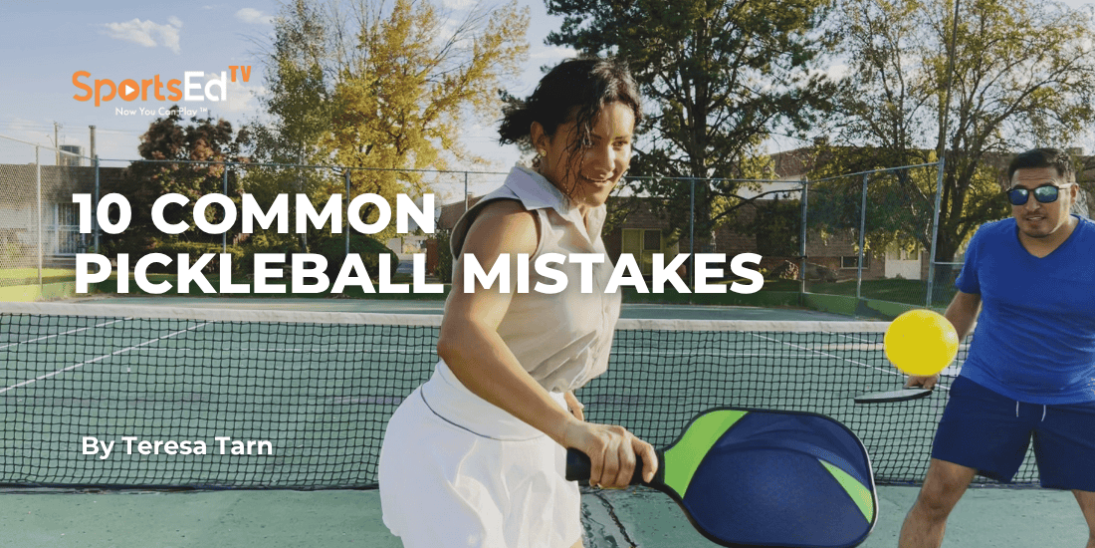
One of the most significant differences between experienced and beginner players is movement. New players often stand tall and flat-footed, waiting for the ball instead of preparing to move. This makes reactions slower and shots weaker.
How to fix it: Stay in a ready position with your knees slightly bent and your weight on the balls of your feet. Keep your paddle up in front of you and stay active with small, controlled steps. Being prepared before the ball comes your way gives you a significant advantage.
Pickleball may look easy, but once you’re on the court, it quickly becomes clear that success comes down to precision, timing, and awareness. Beginners often fall into the same habits that limit their improvement and enjoyment. Whether you’re just starting or trying to sharpen your skills, recognizing and fixing these mistakes will help you play smarter, stay consistent, and have more fun.
Here are ten of the most common mistakes players make and how to correct them.
1. Standing Still Instead of Staying Ready
One of the most significant differences between experienced and beginner players is movement. New players often stand tall and flat-footed, waiting for the ball instead of preparing to move. This makes reactions slower and shots weaker.
How to fix it: Stay in a ready position with your knees slightly bent and your weight on the balls of your feet. Keep your paddle up in front of you and stay active with small, controlled steps. Being prepared before the ball comes your way gives you a significant advantage.

2. Overhitting the Ball
Many players believe hitting harder means playing better. In pickleball, that usually means hitting the ball out or into the net. The game rewards control and consistency far more than raw power.
How to fix it: Focus on placement and accuracy. Hit softer shots that keep you in the rally and wait for the right opportunity to attack. Power should come from good timing and positioning, not muscle.
3. Ignoring the Kitchen Line
The non-volley zone, or kitchen, confuses many new players. Some are afraid to step near it, while others are constantly faulted for volleying inside it. The kitchen is actually where many points are won or lost.
How to fix it: Understand the rule: you can’t volley from inside the kitchen or on the line, but you can step in once the ball bounces. Get comfortable moving in and out of this zone. Control around the kitchen separates good players from great ones.
4. Gripping the Paddle Too Tight
A tight grip limits touch and control. Many players hold the paddle too firmly, especially when nervous, which makes it hard to adjust to fast shots or delicate dinks.
How to fix it: Loosen up your grip pressure. Hold the paddle as if you were shaking someone’s hand. A relaxed hold gives you a better feel and faster reaction time. Your soft shots and volleys will improve immediately.
5. Forgetting to Recover After a Shot
A common mistake is watching your shot instead of preparing for the next one. Standing still after a hit gives your opponent time and space to exploit open areas.
How to fix it: Make recovery part of every shot. After contact, move quickly back to a balanced, ready position. In singles, get to the centerline; in doubles, move back toward the kitchen. Anticipation and positioning are what keep you in control.
6. Taking Risky, Low-Percentage Shots
Trying to paint the lines or blast the ball through your opponent may look exciting, but it often leads to errors. Beginners tend to go for shots that have little margin for error.
How to fix it: Choose smarter, safer targets. Aim deep in the court, toward the middle or corners, rather than trying to hit perfect winners. Build points patiently and attack only when you have a clear advantage.

7. Poor Communication in Doubles
Doubles play depends on teamwork. When partners don’t talk, confusion happens — both players go for the same ball, or worse, no one goes for it.
How to fix it: Communicate before and during points. Use simple calls like “mine,” “yours,” or “switch.” Decide who takes the middle balls and who covers lobs. Talk between rallies about what’s working and what’s not. Good communication builds confidence and rhythm.
8. Standing Too Far from the Kitchen
Many beginners stay in “no-man’s land,” the area between the baseline and the kitchen. From there, it’s hard to volley, defend, or attack effectively.
How to fix it: Move up to the kitchen line after your return and stay there with your partner. The closer you are to the net, the more angles you can control and the faster you can react. The kitchen line is where most points are decided.
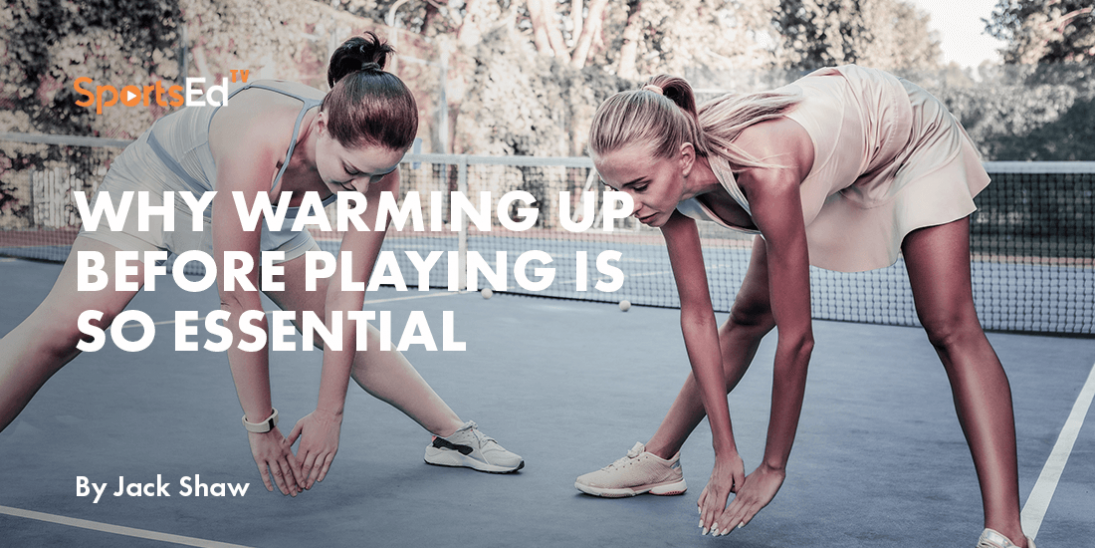
9. Skipping Warm-Ups and Footwork Practice
Pickleball may seem light compared to other sports, but it still requires quick movements and coordination. Skipping warm-ups makes your first few games feel awkward and can even lead to injuries.
How to fix it: Spend a few minutes warming up before every session. Do light jogging, side steps, and short dinks or volleys to wake up your muscles and timing. Good preparation leads to better consistency from the first serve.
10. Losing Focus and Getting Frustrated
Pickleball is as much a mental game as a physical one. Losing focus or getting upset after a mistake can quickly spiral into more errors.
How to fix it: Stay calm and reset after every point. Take a deep breath, focus on what you can control, and let go of the last shot. Concentration and composure will help you play more confidently and make better decisions under pressure.

Improving in pickleball is about awareness and adjustment. Every player makes mistakes, but the best ones learn to notice them early and make quick corrections. By focusing on these ten key areas, you’ll move better, hit cleaner shots, and play with greater consistency.
Pickleball rewards patience, control, and smart decision-making. Master those qualities, and you’ll find yourself not just winning more matches but enjoying every moment on the court.