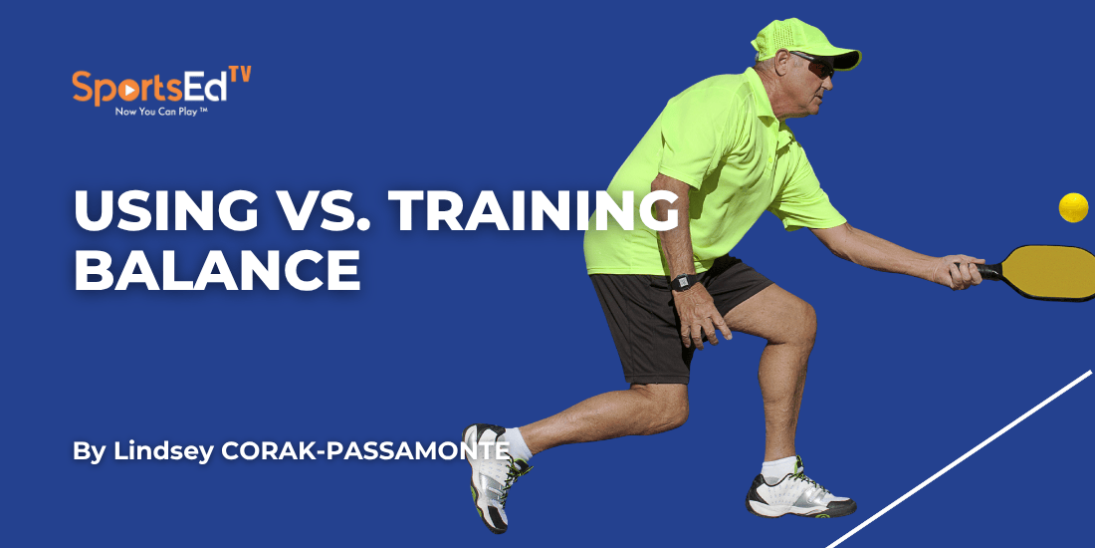
If you play pickleball regularly, you’ve probably seen it happen—a friend lunges for a shot, loses footing, and ends up twisting an ankle or taking a fall. The sport is fast, fun, and social, but it can also be unforgiving when your body isn’t prepared for quick, reactive movement. While many players shrug off these injuries as “part of getting older,” the truth is much more specific and much more solvable. You’re not training balance by playing pickleball. You’re using it, and if you haven’t been deliberately training it, you’re using a system that’s quietly breaking down.
Using vs. Training Balance Explained
Think of balance like the braking system in your car. Playing pickleball is like driving through rush-hour traffic; it tests your brakes every time you stop, start, or swerve. But that testing doesn’t make them better. It slowly wears them out. To improve your brakes, you take your car to the shop. To improve your balance, you need to take your body to training. On the court, you’re reacting, not learning. Your body repeats what it already knows, even if that includes inefficient movement patterns or bad habits. Your nervous system is in performance mode, focused on executing, not improving. True balance training happens off the court, when you intentionally slow down, isolate movement, and challenge your body’s ability to sense, correct, and stabilize. A great way to think about it: pickleball uses balance; training builds balance.
The Science of Balance and Stability
Balance depends on three systems working together: your visual system, your vestibular (inner-ear) system, and your proprioceptive system, which tells your brain where your body is in space. When any of these systems weaken, your stability suffers. Research published in the Journal of Geriatric Physical Therapy shows that targeted balance and proprioception exercises can reduce fall risk by more than 40% among adults aged 50 and older. Another study in Frontiers in Sports Science found that athletes who trained neuromuscular balance improved joint stability and reaction times within eight weeks. The message is clear: balance can be retrained, rewired, and reactivated at any age.
If you play pickleball regularly, you’ve probably seen it happen—a friend lunges for a shot, loses footing, and ends up twisting an ankle or taking a fall. The sport is fast, fun, and social, but it can also be unforgiving when your body isn’t prepared for quick, reactive movement. While many players shrug off these injuries as “part of getting older,” the truth is much more specific and much more solvable. You’re not training balance by playing pickleball. You’re using it, and if you haven’t been deliberately training it, you’re using a system that’s quietly breaking down.
Using vs. Training Balance Explained
Think of balance like the braking system in your car. Playing pickleball is like driving through rush-hour traffic; it tests your brakes every time you stop, start, or swerve. But that testing doesn’t make them better. It slowly wears them out. To improve your brakes, you take your car to the shop. To improve your balance, you need to take your body to training. On the court, you’re reacting, not learning. Your body repeats what it already knows, even if that includes inefficient movement patterns or bad habits. Your nervous system is in performance mode, focused on executing, not improving. True balance training happens off the court, when you intentionally slow down, isolate movement, and challenge your body’s ability to sense, correct, and stabilize. A great way to think about it: pickleball uses balance; training builds balance.
The Science of Balance and Stability
Balance depends on three systems working together: your visual system, your vestibular (inner-ear) system, and your proprioceptive system, which tells your brain where your body is in space. When any of these systems weaken, your stability suffers. Research published in the Journal of Geriatric Physical Therapy shows that targeted balance and proprioception exercises can reduce fall risk by more than 40% among adults aged 50 and older. Another study in Frontiers in Sports Science found that athletes who trained neuromuscular balance improved joint stability and reaction times within eight weeks. The message is clear: balance can be retrained, rewired, and reactivated at any age.

Why Balance Training Matters More With Age
As we get older, the body naturally loses proprioception—our awareness of where the body is in space, muscle reactivity, or how quickly we can correct a stumble, and joint stability, particularly at the hips, knees, and ankles. These changes don’t happen overnight; they accumulate over time, especially when daily life or sport doesn’t demand much balance adaptation. If you don’t train these systems, they continue to decline, and that’s when injuries, rolled ankles, and falls become more common. The good news is that you can reverse much of that loss through deliberate balance work. The nervous system is remarkably adaptable; it responds to practice at any stage of life.
Why Pickleball Players Are Especially at Risk
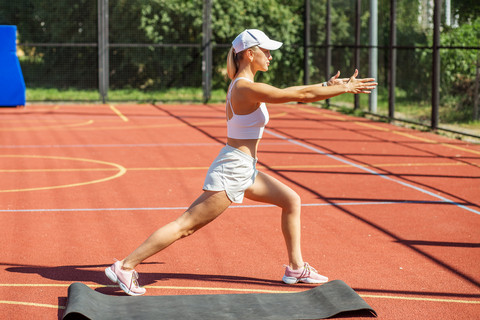
Pickleball combines fast reaction time with short distances and rotational movement. You’re constantly stopping, starting, and pivoting within a small space, often on hard surfaces that provide little forgiveness. Many players enter the sport for its accessibility—anyone can pick up a paddle and play—but few take the time to prepare their bodies for its dynamic demands. Most players don’t warm up properly, don’t perform off-court stability training, and assume their game play will maintain their balance. But without focused balance work, slight imbalances and weak stabilizer muscles accumulate. The result is that rolled ankles, knee strains, and lower back discomfort become far more likely. And since pickleball players tend to play often and intensely, those repetitive stresses add up.

Common Balance Mistakes on the Court
Relying too much on visual cues instead of body awareness. Shifting weight late or unevenly during quick direction changes. Landing heavily on the heels instead of maintaining mid-foot control and allowing core stability to break down during lunges or reaches. Each of these mistakes increases the risk of falls and joint strain. Fortunately, they can all be corrected through a few minutes of focused practice each week.
How to Train Balance Without Complicating Your Routine
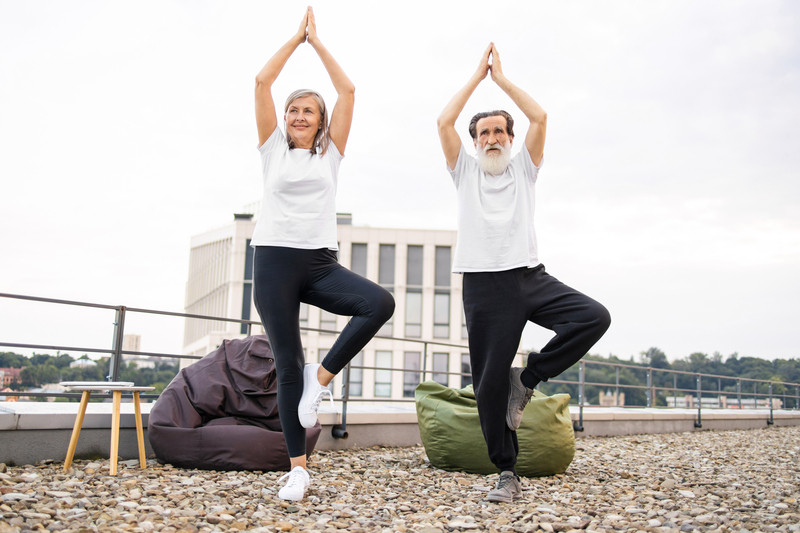
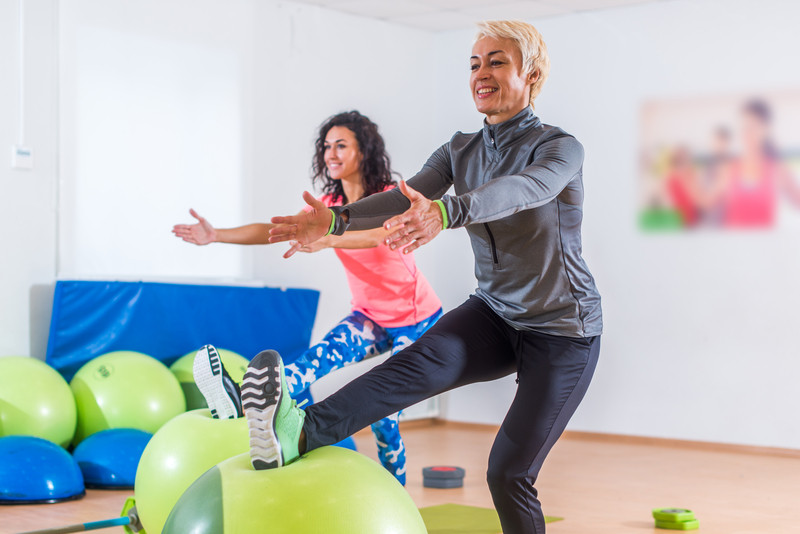
Balance training doesn’t require expensive equipment or long gym sessions. What it needs is consistency and challenge. Start small—just five minutes, two or three times a week—and gradually increase difficulty. Begin with single-leg stands (hold 30 seconds per leg), toe taps, or mini squats to build ankle and hip control, glute activation to strengthen stabilizers that protect your hips and knees, and posture drills to align the spine and engage the core. Then add progressive challenges: stand on a soft surface, close your eyes, or incorporate light upper-body movements. Once you’ve mastered static balance, introduce dynamic balance drills such as step-backs, rotational reaches, or lateral hops. These replicate real pickleball movement patterns and teach your body to adjust rapidly and safely. Even a brief warm-up—five focused minutes before you play—can wake up stabilizer muscles, improve body awareness, and significantly reduce injury risk.
If You Don’t Train It, You’ll Lose It
Balance is like a muscle: if you stop training it, it fades. This isn’t just about athletic performance; it’s about maintaining independence, mobility, and confidence as you age. By making balance training part of your fitness routine, you’re protecting yourself from the kinds of falls that can end a season or worse, limit your lifestyle. Train balance to prevent injuries before they happen, stay mobile, independent, and confident, and play your best game for years to come. Pickleball isn’t dangerous. The danger lies in skipping the preparation your body deserves.

Advanced Tips for Serious Players
For those who play several times a week, balance training can become a performance edge. Incorporate reaction drills, such as catching a ball while balancing on one foot. Use resistance bands to challenge stability under tension. Practice on varied surfaces such as grass or sand to enhance proprioception. These minor adjustments translate directly into better footwork, faster recovery between shots, and smoother transitions at the net. You’ll notice more control in your movements and fewer awkward missteps.
Final Takeaway: Train Balance Like You Train Your Serve
Balance is not just a physical ability; it’s a skill that requires attention, practice, and progression. Pickleball is the test. Balance training is the preparation. If you want to move better, fall less, and play longer, don’t wait for an injury to be your wake-up call. Start now, start small, and stay consistent. Your future self—and your pickleball game—will thank you.