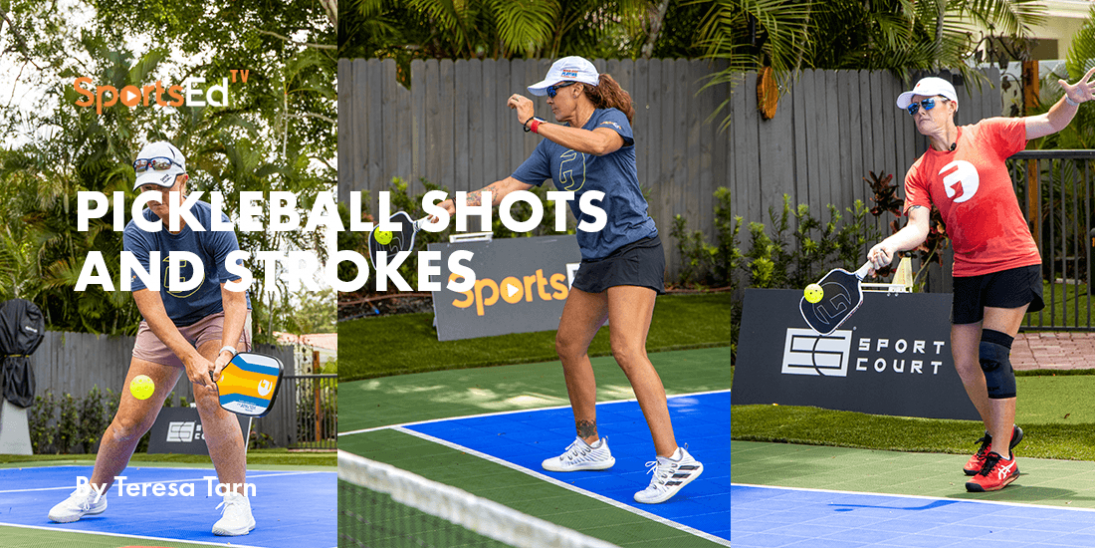
Are you ready to take your pickleball game to the next level? Whether you’re a seasoned player or just getting started, mastering the court is essential for both fun and competitive play. With its rapid global growth, pickleball has captured the attention of athletes from every background. Now it’s your turn to sharpen your skills and build the kind of confidence that transforms your game.
In this comprehensive guide, we share ten expert-approved pickleball tips that can truly change how you play. From understanding positioning to mastering serves and shot selection, these principles will help you move, think, and react like a pro. With the proper knowledge, you’ll not only improve your performance but also find greater enjoyment in every match. Grab your paddle and get ready to elevate your game.

Understanding the Basics of Pickleball
Pickleball combines elements of tennis, badminton, and table tennis, creating a game that’s easy to learn but challenging to master. Played with a paddle and a perforated polymer ball, the game takes place on a court similar to badminton but with a lower net and modified lines.
The court is divided into key zones: the service courts, the baseline, and the non-volley zone, often called the “kitchen.” The kitchen adds a layer of strategy because players cannot volley while standing inside it. This rule encourages longer rallies and more tactical play.
Are you ready to take your pickleball game to the next level? Whether you’re a seasoned player or just getting started, mastering the court is essential for both fun and competitive play. With its rapid global growth, pickleball has captured the attention of athletes from every background. Now it’s your turn to sharpen your skills and build the kind of confidence that transforms your game.
In this comprehensive guide, we share ten expert-approved pickleball tips that can truly change how you play. From understanding positioning to mastering serves and shot selection, these principles will help you move, think, and react like a pro. With the proper knowledge, you’ll not only improve your performance but also find greater enjoyment in every match. Grab your paddle and get ready to elevate your game.
Understanding the Basics of Pickleball
Pickleball combines elements of tennis, badminton, and table tennis, creating a game that’s easy to learn but challenging to master. Played with a paddle and a perforated polymer ball, the game takes place on a court similar to badminton but with a lower net and modified lines.
The court is divided into key zones: the service courts, the baseline, and the non-volley zone, often called the “kitchen.” The kitchen adds a layer of strategy because players cannot volley while standing inside it. This rule encourages longer rallies and more tactical play.
Games are typically played to 11 points, with the winning team required to lead by at least two. Only the serving team can score points, which makes serving and returning strategically important. Understanding these rules and court areas provides the foundation for all advanced techniques.
Tip 1: Master the Serve
The serve begins every rally, and mastering it is one of the easiest ways to take control of a match. Unlike in tennis, pickleball serves must be underhand, with the paddle contacting the ball below waist level and sent diagonally across the court. This restriction promotes placement and precision over raw power.
An effective serve combines consistency, accuracy, and variation. Aim deep into your opponent’s service box, ideally toward the corners, to force them backward. Changing your serve’s height and speed keeps opponents guessing and limits their ability to attack.
Develop a smooth, repeatable motion with a calm rhythm. After each serve, quickly move into a ready position to handle the return. Remember that a good serve is less about speed and more about creating early pressure that puts you in control of the point.

Tip 2: Perfect Your Dink Shot
The dink is one of the most defining shots in pickleball. It’s a soft, controlled stroke that lands in your opponent’s non-volley zone, preventing them from hitting aggressive returns. The dink requires finesse and patience, making it a vital tool for controlling rallies.
To perform a proper dink, use a short upward motion with your paddle, keeping your wrist relaxed and your grip gentle. The goal is to make the ball travel low over the net and land softly in your opponent’s kitchen. This forces them to reach forward or upward to return the ball, increasing their chances of error.
Stay near the non-volley line with knees bent and weight balanced so you can respond quickly to either side. Practice controlling both the direction and depth of your dinks. When executed correctly, a well-placed dink allows you to dictate tempo, frustrate opponents, and open opportunities to finish the point.
Tip 3: Position Yourself for Success
Court positioning is one of the most underestimated aspects of pickleball. Knowing where to stand and when to move can determine whether you control the rally or constantly react to your opponent.
When serving or returning, start near the baseline to handle deep shots. As the rally progresses, move forward toward the non-volley zone line — the most dominant position in doubles play. From there, you can intercept shots, apply pressure, and control angles.
Coordinate positioning with your partner to cover space effectively. If one player moves up, the other should follow to maintain equal distance from the net. Avoid leaving open gaps, and communicate about who will take shots down the middle. By learning to move as a unit, you’ll close off angles and play with greater efficiency and confidence.
Tip 4: Communicate with Your Partner
Pickleball is often a doubles game, and strong communication between partners separates good teams from great ones. Miscommunication leads to missed shots, overlapping movement, and unnecessary errors.
Call “mine” or “yours” clearly when going for balls in the middle. Discuss strategy before each match, such as who will handle lobs, drop shots, and returns to the center. Be vocal about what’s working and what needs adjusting. Positive reinforcement also keeps energy high and reduces frustration.
The best doubles teams operate like one player with two paddles. They anticipate each other’s movements, shift together, and trust each other completely. If you and your partner establish clear communication and complementary roles, you’ll outperform even stronger opponents.

Tip 5: Build a Reliable Backhand
A strong backhand transforms your versatility and balance on court. Many recreational players rely heavily on their forehand, leaving an evident weakness that opponents can exploit. Developing a dependable backhand eliminates that vulnerability and opens up more tactical options.
Use a continental grip, which lets you switch easily between forehand and backhand. Rotate your shoulders to align your body sideways with the net, keeping your paddle face square at contact. Focus on smooth mechanics rather than power — control and accuracy matter most.
Work on both backhand drives and softer shots, such as drops and dinks. Practice transitioning from defense to attack using your backhand. The more comfortable you become with both sides, the less predictable your game will be.
Tip 6: Use Spin to Your Advantage
Spin gives advanced players an edge by adding unpredictability to their shots. Though pickleballs don’t grip the paddle like tennis balls, you can still apply meaningful topspin and backspin to manipulate bounce and trajectory.
Topspin causes the ball to dip quickly and bounce higher, ideal for deep groundstrokes and aggressive serves. Brush upward on the back of the ball using a low-to-high motion. Backspin, also called slice, creates a floating shot that skids low after contact. Use it for drop shots, resets, and dinks to keep the ball low and unattackable.
Mixing spin variations keeps your opponent off rhythm. It also allows you to adjust based on surface, wind, and playing style. With consistent practice, spin becomes a subtle but powerful weapon that changes how rallies unfold.
Tip 7: Strengthen Your Mental Game
Pickleball rewards not only skill but also mindset. Remaining composed, positive, and focused often makes the difference between winning and losing.
Adopt a positive attitude even when things go wrong. Visualize successful plays before stepping onto the court and use short mental cues such as “steady,” “relax,” or “move early.” Between points, take a breath and reset your focus. Avoid dwelling on missed shots—focus on the next opportunity.
Developing emotional control helps you stay calm under pressure, particularly during tight matches or long rallies. Combine that with a growth mindset: treat every setback as feedback and every game as a learning experience. Confidence and mental resilience turn good technique into consistent success.
Tip 8: Master the Third-Shot Drop
The third-shot drop is a signature shot in competitive doubles play. After serving and receiving, the third shot is your chance to shift momentum and approach the non-volley zone.
The goal is to hit a soft, controlled shot that arcs just over the net and lands in your opponent’s kitchen. This forces them to hit upward, giving you time to move forward and gain the strategic advantage near the net.
To master it, focus on paddle control and smooth follow-through. Use your legs to lift the ball rather than your wrist, keeping your swing consistent and balanced. A reliable third-shot drop transitions you from defense to offense, allowing you to control both pace and positioning.
Tip 9: Mix Your Shots and Angles
Predictability is one of pickleball's most significant weaknesses. Players who hit the same patterns over and over become easy to read. By varying your shots and angles, you force opponents to adjust constantly and create more opportunities for errors.
Use a combination of cross-court dinks, lobs, drives, and drop shots. Target your opponent’s feet to limit their attacking options. Mix in deep and short placements to break their rhythm. When your opponent cannot anticipate your next move, you control the tempo of the game.
Please pay attention to which shots cause them the most difficulty, and adapt your tactics accordingly. Variety keeps you in command, both strategically and psychologically.
Tip 10: Focus on Footwork and Recovery
No matter how good your technique is, poor footwork will limit your performance. Efficient movement allows you to position your body correctly, maintain balance, and recover faster between shots.
Stay light on your feet with your knees slightly bent and your weight forward. Move using small, quick steps rather than long lunges. After every shot, return to a neutral ready position facing the ball. This ensures you can react to the next shot without being caught off guard.
Good footwork also prevents fatigue and reduces the risk of injury. Players who move efficiently appear faster, not because they run harder, but because they’re already in the right place.
Putting It All Together
Becoming a better pickleball player is not about mastering one skill — it’s about combining them all. When you understand the rules, develop reliable strokes, communicate effectively, and maintain composure, every part of your game improves.
Focus on continuous progress. Refine your serve for accuracy, perfect your dink for control, and strengthen your backhand for versatility. Incorporate spin, refine your positioning, and maintain strong mental focus in every match.
As your skills grow, so will your confidence and enjoyment. Pickleball rewards effort, patience, and intelligent play. By practicing these ten expert tips, you’ll develop a well-rounded game that helps you perform consistently and win more points.
Grab your paddle, step onto the court, and put these lessons into action. With commitment and innovative practice, you’ll not only play better but also discover why pickleball continues to captivate millions of players around the world.