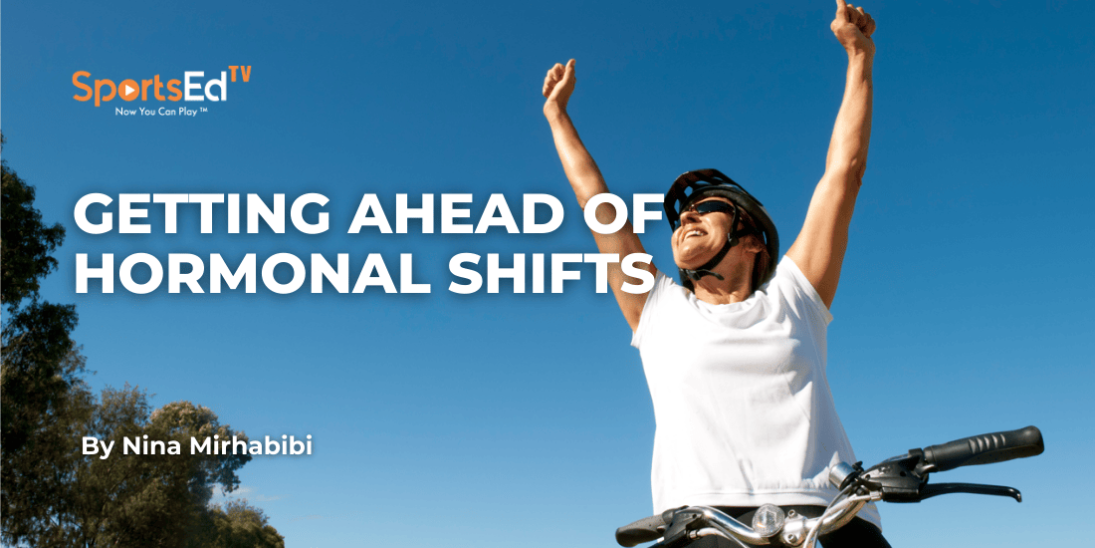
For both male and female athletes, hormones are fundamental to physical development and performance from birth. To optimize professional athletic performance, the necessary preparation evolves with each life stage, particularly for women. Rather than a singular "start date" for hormonal preparation, it's more accurate to view it as a continuous process that begins during puberty. This preparation is then refined throughout the 20s and 30s, aiming to build a resilient body for women by the time perimenopause typically starts in the mid-30s to early 40s.
This continuous approach recognizes that hormonal shifts are not isolated events but rather interconnected phases that influence an athlete's physiological responses, energy levels, recovery capabilities, and susceptibility to injury. For instance, understanding the nuances of the menstrual cycle in younger female athletes can inform training protocols, nutritional strategies, and injury prevention measures. As women progress through their reproductive years, the focus might shift to maintaining bone density, optimizing iron levels, and managing potential fluctuations in energy and mood linked to hormonal changes.

By the time perimenopause approaches, proactive strategies become even more crucial. These can include tailored strength training programs to counteract potential muscle mass loss, nutritional plans rich in bone-supporting nutrients, and mindful approaches to stress management, all of which can mitigate the impact of declining hormone levels. The goal is to empower female athletes to continue performing at a high level, or at least maintain their physical well-being, as they navigate these natural transitions. Therefore, the key lies in understanding and strategically addressing the unique hormonal landscape at each stage of a female athlete's life.
For both male and female athletes, hormones are fundamental to physical development and performance from birth. To optimize professional athletic performance, the necessary preparation evolves with each life stage, particularly for women. Rather than a singular "start date" for hormonal preparation, it's more accurate to view it as a continuous process that begins during puberty. This preparation is then refined throughout the 20s and 30s, aiming to build a resilient body for women by the time perimenopause typically starts in the mid-30s to early 40s.
This continuous approach recognizes that hormonal shifts are not isolated events but rather interconnected phases that influence an athlete's physiological responses, energy levels, recovery capabilities, and susceptibility to injury. For instance, understanding the nuances of the menstrual cycle in younger female athletes can inform training protocols, nutritional strategies, and injury prevention measures. As women progress through their reproductive years, the focus might shift to maintaining bone density, optimizing iron levels, and managing potential fluctuations in energy and mood linked to hormonal changes.
By the time perimenopause approaches, proactive strategies become even more crucial. These can include tailored strength training programs to counteract potential muscle mass loss, nutritional plans rich in bone-supporting nutrients, and mindful approaches to stress management, all of which can mitigate the impact of declining hormone levels. The goal is to empower female athletes to continue performing at a high level, or at least maintain their physical well-being, as they navigate these natural transitions. Therefore, the key lies in understanding and strategically addressing the unique hormonal landscape at each stage of a female athlete's life.
Prime Opportunities for Female Athlete Preparation
Puberty (approximately 11 – 18 years): Crucial Years for Bone Mass Development
During puberty, the body undergoes a vital phase of bone density development, which is essential for long-term skeletal health. Engaging in activities such as jumping, plyometrics, and resistance training, particularly during the teenage years and early adulthood, significantly contributes to building strong bones. For female athletes, these early efforts in building bone density provide substantial long-term benefits, including a reduced risk of fractures and osteoporosis later in life, especially post-menopause.

Supporting Regular Menstrual Cycles During Puberty:
While complete control over menstrual regularity is not possible, several factors can influence and support it:
-
Adequate Nutritional Support: Ensuring sufficient caloric and protein intake for your child supports overall health and hormonal balance.
-
Stress Reduction Techniques: Introducing practices like mindfulness, breathwork, and maintaining a healthy sleep schedule can help prevent stress-related hormonal disruptions.
-
Balanced Physical Activity: Encourage regular physical activity, but avoid excessive exercise, as this can lead to menstrual irregularities.
Early Adulthood (18 – 29 yrs)
Fine-tune fueling to avoid Relative Energy Deficiency in Sport (RED-S): Relative Energy Deficiency in Sport (RED-S) is a condition that arises from an imbalance between dietary energy intake and the energy expended during exercise. This imbalance can lead to a range of health and performance issues, particularly affecting athletes. The syndrome impacts metabolic rate, menstrual function, bone health, immunity, protein synthesis, and cardiovascular health.
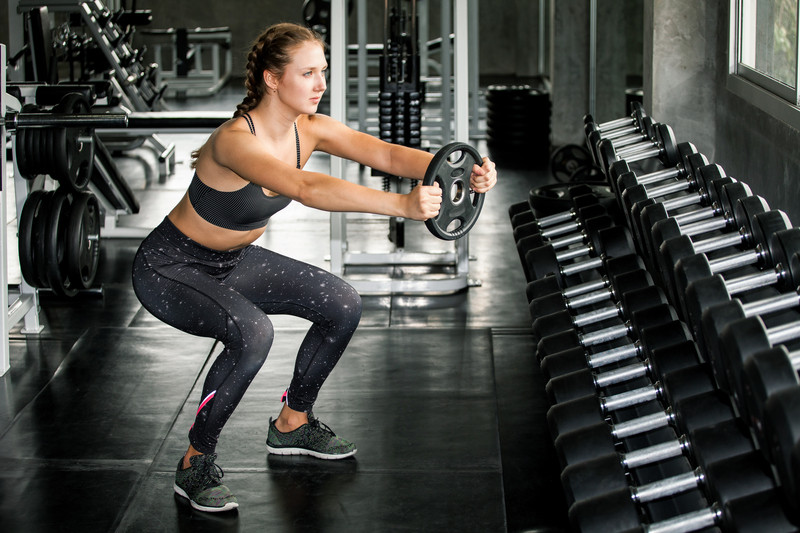
Holistic Strategies to Address RED-S:
-
Lifestyle Adjustments: Ensuring adequate caloric intake, such as sufficient carbohydrates, protein, and fats, to match energy expenditure. Other lifestyle supports include nutrient density, stress management, adequate sleep, and hydration.
-
Monitoring and Support: Regular monitoring by healthcare professionals can help in managing and preventing RED-S.
-
Education and Awareness: Raising awareness among coaches, athletes, and healthcare providers about the risks and signs of RED-S is essential for early interventions.
The “Priming” Decade (30 – 40 yrs)
This is a critical period for women athletes to prepare for future perimenopause and menopause. During this time, it is essential to establish a strong foundation for long-term health and athletic performance.

Key considerations:
-
Lab check-ins for thyroid, iron, vitamin D, cortisol, and sex hormones give a baseline. These tests provide a baseline that can help identify potential issues early and guide appropriate interventions.
-
Strength training becomes non-negotiable for muscles and bones that will carry you through menopause. Strength training is not only beneficial for physical health but also supports the body through menopause.
-
Holistic strategies become crucial to supporting hormone balance during the Priming decade. Consider strategies like hormone-friendly nutrition, such as whole grains, lean proteins, and anti-inflammatory foods. This will also help with weight management and overall health.
Perimenopause & Beyond (≈ 35 +)
This phase, typically starting around age 35 and extending into menopause, presents unique physiological changes for female athletes that necessitate thoughtful adjustments to training, nutrition, and lifestyle. Hormonal fluctuations, particularly declining estrogen and progesterone, can impact various bodily systems, influencing recovery, energy metabolism, and overall well-being.

Key considerations for female athletes during perimenopause and beyond:
Training Load Adjustments and Recovery Optimization:
-
Increased Recovery Needs: Hormonal shifts can prolong recovery times from training. Athletes may find that the intensity or volume of their previous training programs becomes unsustainable without experiencing increased fatigue, soreness, or even heightened risk of injury.
-
Strategic Rest Days: Incorporating more frequent rest days or active recovery days (e.g., light walking, gentle yoga) into the training schedule is crucial.
-
Periodization: Implementing a well-structured periodization model becomes even more vital.
-
Listen to Your Body: Adjust training on the fly based on energy, sleep, soreness.
-
Cross-Training: Integrating diverse activities like swimming, cycling, or Pilates can maintain fitness while reducing repetitive stress.

Optimizing Nutrition for Hormonal Health:
-
Insulin Sensitivity: Manage with a diet rich in whole foods, complex carbs, lean proteins, and healthy fats.
-
Gut Health: Emphasize fiber, fermented foods, and hydration.
-
Adrenal Resilience: Support with B vitamins, vitamin C, magnesium, and reduced caffeine/sugar.
-
Anti-inflammatory Foods: Include berries, leafy greens, cruciferous vegetables, fatty fish, nuts, seeds, and olive oil.
-
Balanced Macronutrient Intake: Adequate protein, healthy fats, and complex carbs.

Managing Vasomotor Symptoms and General Well-being:
-
Hot Flashes and Night Sweats: Hydration, breathable layers, cooling strategies, and a cool sleep environment.
-
Stress Reduction Techniques: Yoga, meditation, deep breathing, mindfulness.
-
Adequate Sleep: Prioritize 7–9 hours nightly.
-
Bone and Joint Health: Weight-bearing exercise, vitamin D, calcium, and possibly collagen.
Targeted Supplementation (with professional guidance):
Action for Today: Whether you’re 16 or 36, pick one recovery ritual you can practice nightly this week, lights-out by 10:30 PM or a 5-minute diaphragmatic breathing drill. Consistent recovery is the hormone guardian every athlete needs.

Resource List
-
Nattiv A. et al. “Relative Energy Deficiency in Sport (RED-S).” British Journal of Sports Medicine, 2021.
-
Nieves JW. “Nutrition and Bone Health in Young Female Athletes.” Current Osteoporosis Reports, 2020.
-
USA Female Athlete Triad Coalition website (thefemaleandmaleathletetriad.org) for cycle-tracking & fueling guides.
-
Sims S. & Yeager C. “ROAR: How to Match Your Food and Fitness to Your Unique Female Physiology” (book).
-
ACSM Position Stand: “Exercise and Fluid Replacement,” 2021 update.