Building muscle is often framed as a simple equation of lifting heavier weights and eating more protein. In reality, muscle growth is a complex biological process that depends on a delicate balance of calories, macronutrients, micronutrients, hormones, recovery, and training stimulus. For women in particular, nutrition plays an even more critical role because of higher risks of specific nutrient deficiencies, including iron, calcium, vitamin D, and B vitamins, all of which directly impact performance and recovery.
While many dietary approaches can be healthy and effective when properly planned, highly restrictive diets can unintentionally limit essential nutrients for muscle protein synthesis, strength gains, and tissue repair. When these nutrients are consistently missing, training results may stall, recovery slows down, fatigue increases, and injury risk rises. Over time, this can lead to frustration for women who train hard yet do not see the expected physical progress.
This article explores several popular diets that may slow muscle building in women if not carefully structured. The goal is not to criticize any one approach but to highlight where nutritional gaps often occur and how they can affect strength, energy, and muscle development.

Why Nutrient Density Matters for Female Muscle Growth
Muscle is a metabolically expensive tissue. To build and maintain it, the body requires:
- Adequate total calories
- High-quality protein with all essential amino acids
- Sufficient carbohydrates to fuel intense training
- Healthy fats for hormone production
- Micronutrients that drive energy production, oxygen delivery, bone integrity, and muscle repair
Women also experience monthly iron losses through menstruation, and many have lower dietary intakes of protein and total calories than needed for optimal muscle gain. When restrictive diets are layered on top of these baseline risks, the likelihood of nutrient depletion increases substantially.
Common symptoms of under-fueling and micronutrient deficiency include chronic fatigue, poor workout performance, slow recovery, plateaued strength gains, hair thinning, brittle nails, frequent illness, disrupted menstrual cycles, and poor sleep. These are not just cosmetic concerns. They are warning signs that muscle-building machinery is underpowered at the cellular level.

Vegan and Raw Food Diets
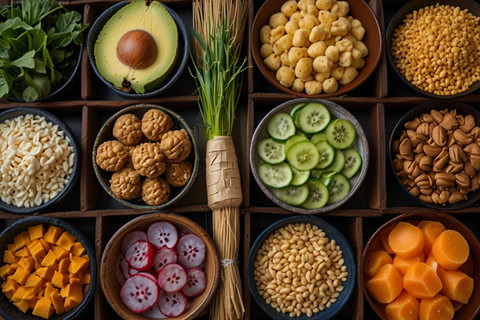
Vegan and raw food diets eliminate all animal-derived foods. While these diets can be rich in antioxidants, fiber, and phytonutrients, they often fall short of several nutrients critical for muscle building unless they are carefully planned and supplemented.
Key Nutrient Risks
Complete protein
Most plant proteins lack one or more essential amino acids. While it is possible to combine plant proteins to achieve a complete amino acid profile, many women unintentionally underconsume total protein or key amino acids such as leucine, which is a primary trigger for muscle protein synthesis.
Vitamin B12
B12 is essential for red blood cell formation, nerve function, and DNA synthesis. It is naturally found only in animal foods. Deficiency leads to fatigue, weakness, poor exercise tolerance, and impaired recovery.
Iron
Plant iron is non-heme iron, which is significantly less bioavailable than heme iron from animal foods. Low iron reduces oxygen delivery to muscles and directly impairs endurance, strength, and recovery.
Creatine
Creatine is found almost exclusively in meat and fish. It supports short burst power output, strength, and muscle volume. Vegans have lower baseline creatine stores and may experience reduced training intensity unless supplemented.
Zinc and iodine
These minerals support thyroid function, immunity, and protein synthesis. Inadequate intake can affect metabolism and muscle repair.
Impact on Muscle Growth
When protein intake is too low or amino acid balance is suboptimal, the body lacks the raw materials to build new muscle tissue. Add in low iron and B12, and energy production becomes compromised at both the muscular and nervous system levels. Training output drops, recovery slows, and progressive overload becomes harder to sustain. Over time, this combination can lead to stalled hypertrophy despite consistent strength training.
This does not mean women cannot build muscle on a vegan diet. Many can and do. It simply means that precise planning, higher protein targets, and targeted supplementation become essential rather than optional.

Ketogenic and Very Low Carbohydrate Diets
Ketogenic and very low-carb diets prioritize fat as the primary fuel source and drastically limit carbohydrate intake. While ketosis can be helpful for specific medical conditions and short-term fat loss, it presents unique challenges for women focused on muscle building.
Key Nutrient Risks
Carbohydrates
Carbs are the primary fuel for high-intensity resistance training. Without adequate glycogen stores, training volume, strength output, and power production often suffer.
Electrolytes
Low-carb diets increase sodium, potassium, and magnesium losses. These minerals are essential for muscle contraction, nerve signaling, and hydration status.
Vitamin C and specific B vitamins
Carbohydrate-rich foods such as fruits, legumes, and whole grains provide key micronutrients that support collagen synthesis, energy metabolism, and recovery.
Calcium and vitamin D
Dairy restriction is common in keto approaches, which may compromise bone health and muscle contraction efficiency over time.
Impact on Muscle Growth
Women following very low-carb diets frequently report decreased training intensity, early fatigue during workouts, and longer recovery times. Resistance training relies heavily on the glycolytic energy system, which depends on stored carbohydrate. Without it, it becomes difficult to sustain the mechanical tension and volume required for muscle hypertrophy.
Hormonal balance is another consideration. Chronic carbohydrate restriction can increase cortisol levels and may negatively affect thyroid hormones in some women. Both cortisol and thyroid hormones play key roles in muscle maintenance and metabolic rate.
Short-term keto phases may not prevent muscle gains, but long-term carbohydrate deprivation often limits optimal hypertrophy, especially for women engaging in moderate to high-volume resistance training.

Autoimmune Paleo Diets Without Nuts, Seeds, or Eggs
Autoimmune paleo-style diets eliminate grains, dairy, legumes, eggs, nuts, seeds, nightshades, and sometimes even certain fruits. These protocols are typically implemented to reduce inflammation or manage autoimmune conditions. While therapeutic in specific cases, they are among the most nutritionally restrictive patterns when followed long-term.
Key Nutrient Risks
Zinc
Found in seeds, nuts, legumes, and animal protein. Zinc is necessary for protein synthesis and immune function.
Selenium
Supports thyroid hormone production and antioxidant defense. Often low when grains and nuts are removed.
B vitamins
Grains, legumes, and eggs are significant sources of B vitamins. These vitamins drive cellular energy production.
Essential fatty acids
Seeds and nuts are significant sources of omega-3 and omega-6 fatty acids, which influence cell membrane integrity and inflammation.
Impact on Muscle Growth
Protein intake can remain adequate if sufficient animal protein is consumed, but micronutrient deficiencies often develop over time. Low selenium and zinc levels affect thyroid function and protein synthesis, both of which directly influence metabolic rate and muscle growth potential. Inadequate essential fats may also interfere with hormone production and joint health, increasing injury risk during training.
Without careful food diversity and supplementation, muscle-building efficiency can quietly decline even when workouts remain consistent.
Specific Carbohydrate Diet, Low FODMAP, and Elimination Diets
These diets are often used for digestive disorders such as IBS, IBD, or food sensitivities. They frequently restrict grains, legumes, dairy, and sometimes specific fruits and vegetables. While symptom relief is often achieved, nutritional adequacy can suffer if these diets become permanent without proper reintroduction strategies.
Key Nutrient Risks
Protein
Dairy, legumes, and whole grains are meaningful protein contributors for many women. Removing them can lower total protein intake.
B vitamins
Grains and legumes supply thiamine, riboflavin, niacin, and folate, which support aerobic and anaerobic energy metabolism.
Fiber
Low fiber alters gut microbiome composition and may indirectly affect nutrient absorption.
Calcium
Dairy remains a primary source of calcium for many women. Removing it raises long-term bone and muscle contraction concerns.
Impact on Muscle Growth
Digestive comfort is essential for consistent training, but when total calorie intake drops due to restricted food variety, muscle building suffers. Energy availability is one of the strongest predictors of hypertrophy. If a woman cannot sustain a slight caloric surplus due to an overly limited diet, muscle gains slow regardless of training quality.
Over time, inadequate B vitamin intake also reduces energy production within the muscle cell, limiting training output and recovery capacity.

Elemental Diets and Medically Restrictive Protocols
Elemental diets rely on pre-digested liquid formulas and are used in specific clinical settings for short periods. They are not intended for long-term use during muscle-building phases.
Key Nutrient Risks
- Low total protein
- Suboptimal amino acid diversity
- Insufficient micronutrients without medical supervision
- Minimal dietary fat
- Low total caloric intake
Impact on Muscle Growth
Elemental diets almost universally result in muscle loss when followed beyond medical necessity. The body shifts into a catabolic state due to insufficient mechanical loading fuel, inadequate protein intake, and low overall energy availability. These diets should never be paired with hypertrophy-focused training outside of strict clinical contexts.
Why Women Are More Vulnerable to Nutrient Depletion
Women face unique physiological factors that raise the importance of nutritional adequacy during training:
- Monthly iron loss through menstruation
- Lower baseline muscle mass compared to men
- Higher risk of vitamin D insufficiency
- Greater susceptibility to low energy availability
- Hormonal sensitivity to caloric and carbohydrate restriction
When combined with highly restrictive diets, these factors increase the likelihood of fatigue, training plateaus, menstrual irregularities, stress fractures, and slow muscle recovery. This condition is now widely recognized in sports science as Relative Energy Deficiency in Sport (RED-S).
Simple Steps to Support Muscle Building on Any Diet
Regardless of dietary philosophy, the principles of muscle growth remain consistent. These strategies help protect progress even within restricted food frameworks.
Prioritize protein at every meal.
Aim for 25-35 grams of high-quality protein per meal. This may come from animal sources, plant blends, or fortified alternatives.
Ensure sufficient carbohydrate intake around training.
Even low-carb approaches benefit from targeted carbohydrate intake before and after resistance training.
Monitor for signs of deficiency.
Chronic fatigue, slow recovery, hair thinning, brittle nails, frequent illness, dizziness, and sleep disturbances are common warning signs.
Consider targeted supplementation
Iron, B12, vitamin D, zinc, iodine, creatine, and omega-3s are the most commonly needed supplements in restrictive diets.
Stay hydrated and maintain electrolyte balance.
Sodium, potassium, and magnesium losses impair muscle contraction and performance.
Track total energy intake
Muscle cannot grow in a chronic caloric deficit. A small surplus is often necessary even for recomposition goals.
Work with a qualified sports dietitian.
Especially for women balancing performance goals with autoimmune, digestive, or ethical dietary choices.
The Bigger Picture
No single diet automatically prevents muscle growth. What matters is whether the diet reliably supplies the nutrients and energy required for tissue building, repair, and adaptation. Many women follow restrictive diets for health, ethical, or medical reasons and still build impressive strength and muscle. The difference lies in planning, food quality, supplementation, and ongoing monitoring.
The danger is not in dietary choice itself, but in unrecognized nutrient depletion that slowly erodes training capacity. When workouts feel harder than they should, when progress stalls despite consistent effort, and when recovery never quite catches up, nutrition is often the missing piece.
Muscle building is not just about lifting weights. It is about feeding the system that makes those lifts meaningful.

Final Takeaway
If you are following a highly restrictive diet for health, medical, or personal reasons, it is critical to ensure you are consistently meeting your protein, iron, B vitamins, zinc, selenium, calcium, vitamin D, healthy fat, and total calorie needs. These nutrients are the foundation of muscle growth, strength, recovery, and long-term performance.
For women especially, nutrient sufficiency is not a luxury. It is a prerequisite for sustainable progress, hormonal balance, bone health, and injury resilience.
Training builds the stimulus. Nutrition builds the result.
Resources for Further Exploration
- Academy of Nutrition and Dietetics on plant-based diets and athletic performance
- NCBI research on nutritional considerations for female athletes
- Precision Nutrition guides on muscle gain
- Healthline vegan bodybuilding nutrition overview