“Something I’m much prouder of is trying to improve conditions for people around the world. That’s the most important thing for me.”
— Lewis Hamilton, 12 November 2020, Istanbul Racing Circuit

Why Sports Matter: More Than Just Winning
The significance of the sports universe stretches far beyond rankings, medals, and final scores. It’s hard to think that it’s only the curiosity to find out who is the fastest swimmer, highest jumper, or stronger lifter that captures the passion and attention of so many people across the globe. The narratives and contexts created by sports expose their true value. The examples could be found everywhere.
Sports as Social Narratives and Cultural Resistance
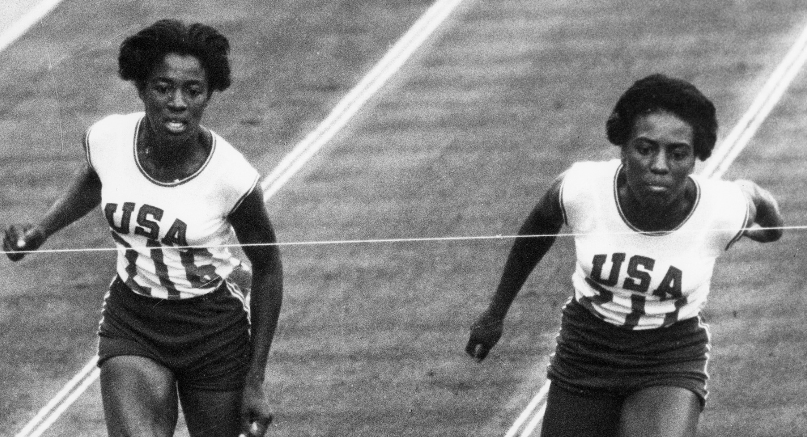
Take, for instance, soccer clubs like Athletic Bilbao or FC Barcelona. During the Franco dictatorship in Spain, these clubs became symbols of cultural resistance and national identity for the Basque and Catalan peoples. They represented more than just athletic merit - they stood for language, heritage, and freedom, which has been commemorated in Barca's motto “More than a Club”. Or think about the iconic stands against racial injustice at the 1968 Olympics: Wyomia Tyus, the world’s first athlete to win 100m dash at two Olympics back-to-back, who wore dark shorts instead of the team-issued white shorts, and John Carlos and Tommie Smith, who raised their fists in black gloves on the podium. Moments like these turn athletic events into historical milestones, influencing social action and change.
Human Moments That Define Sport
Of course, narratives produced by sports are not limited to grand societal movements. They also live in smaller, deeply human stories. Perhaps, the most familiar example for sports fans is the tendency to root for the underdog - haven’t you often found yourself, while watching a match as a neutral spectator, starting to cheer for the team or athlete who was considered weaker before the game, the one experts gave little chance of winning? And if the underdog ends up victorious, it gives us that precious, much-needed feeling that miracles are possible, and that even someone no one believed in can achieve something great. A great example of this was Senegal’s sensational run at the FIFA World Cup 2002, when they beat the invincible French team in the opening game. For many, that and similar moments are amongst their brightest sports-related childhood memories.
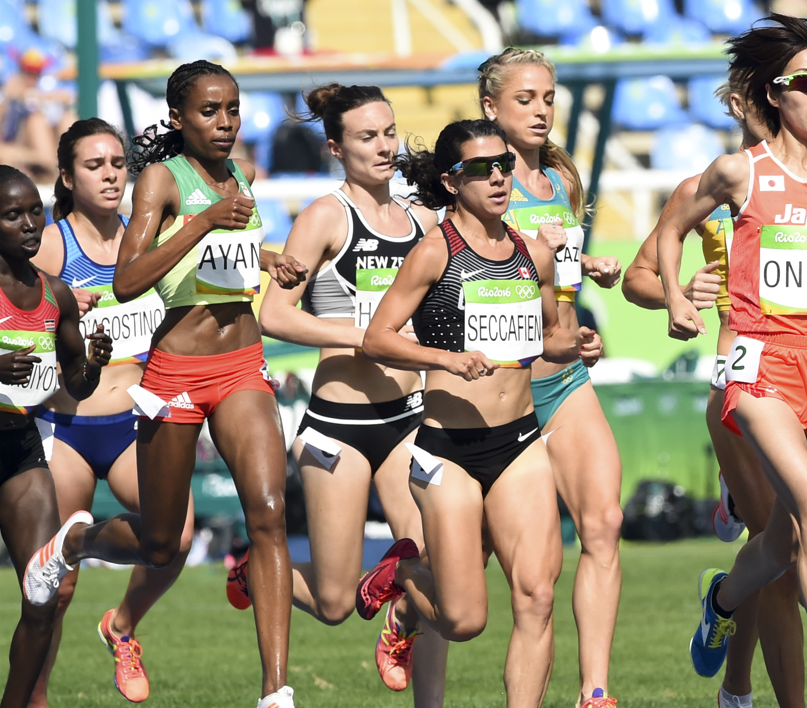
Another type of sports stories that last in the memories of people (sometimes even longer than the actual results!) are those showcasing interpersonal empathy and respect. During the 2016 Rio Olympics, American runner Abbey D’Agostino stumbled over New Zealand’s Nikki Hamblin, who had fallen just ahead of her. Rather than rushing to continue the race, she paused to help Hamblin to her feet, encouraging her to keep going. Despite the injuries, both athletes managed to complete the race, and at the finish line, the two runners shared a heartfelt embrace. That act of kindness and mutual support became one of the most memorable highlights of the 2016 Games, reminding us that respect and compassion are just as essential to sport as winning.
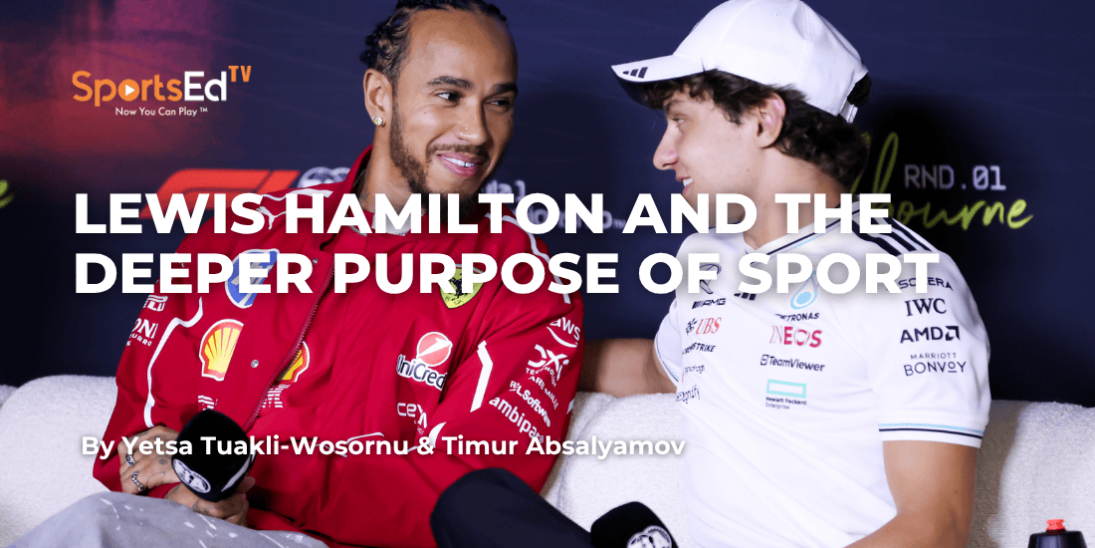
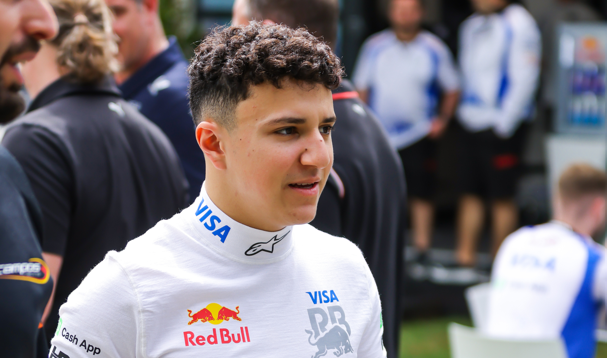
The recent Formula 1 Australian Grand Prix will also be commemorated with a great example of human connection: Rookie driver Isack Hadjar crashed on the formation lap of his Formula 1 debut, which prevented him from starting the race. Visibly distraught, Hadjar was seen in tears as he returned to the paddock, while Anthony Hamilton, father of seven-time world champion Lewis Hamilton, approached Hadjar to offer comfort and encouragement. Anthony told Hadjar to keep his head high and be proud, acknowledging the young driver's potential and the emotional toll of such an incident.
“There’s a lot of pressure all of the way up, and you’re sitting on the grid for your first race, and it doesn’t happen. That’s got to be the worst feeling in the world, and I just felt for him. I just wanted to give him a hug. I felt for him like a father,” commented Anthony Hamilton. “It was a special moment,” reacted Hadjar.
Mental Health, Support, and the Athlete Experience
This kind of support is crucial in sports – a recent study of athletes’ perspectives on what constitutes a healthy sports environment, conducted by the Sports Equity Lab at Stanford University, positions feelings of support and being valued as key elements at the interpersonal and organizational levels of athletes’ socioecological environment.
While the stories above have happened in front of stadium crowds and TV spectators worldwide, this is just the tip of the iceberg. Just as sports events produce meaningful narratives that go beyond the competition, the greatest athletic performances are also driven by broader, unseen factors: access, human connection, and well-being. Barriers to high-performance participation aren’t always visible - they exist in the form of unspoken biases, systemic inequities, financial constraints, lack of access, and cultural norms that quietly exclude people from the playing field.
Lewis Hamilton: Breaking Barriers and Building a Legacy
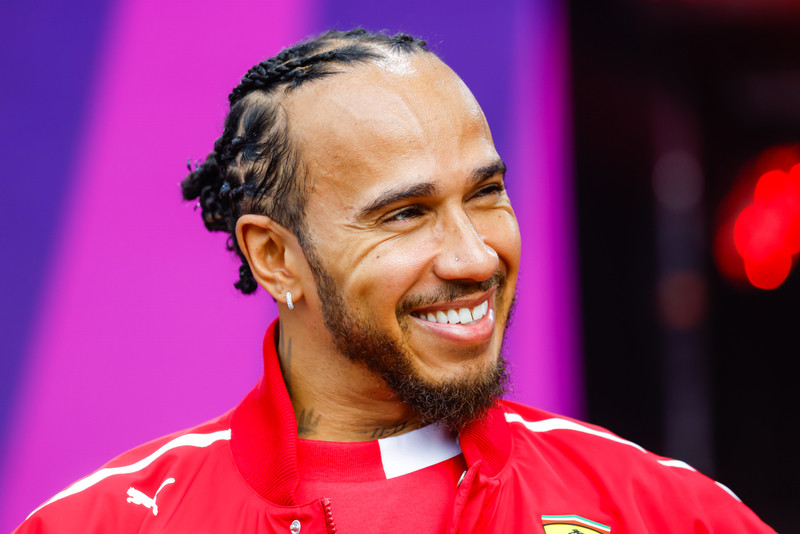
And Anthony Hamilton’s son, Lewis Hamilton, knows that like no other.
His path to Formula 1 greatness has become more than just a tale of speed and trophies. It’s a story about breaking barriers, the strength of human bonds, and the continuous work of nurturing mental and emotional well-being.
From the very beginning, Hamilton’s story challenged the structural inequalities embedded in both society and motorsport. Growing up in Stevenage, England, as a young black boy in a predominantly white environment, Lewis faced racism and exclusion from an early age. He was bullied at school, pelted with bananas, and subjected to racial slurs that left deep psychological scars. In an interview with the On Purpose podcast, Lewis said: “I was already being bullied at the age of 6. I think at the time of that particular school, I was probably one of three kids of color, and just bigger, stronger, bullying kids were throwing me around a lot of the time … I was always the last picked, you know, when you're standing at the playground and you're in the line of when they're picking teams for football, I was always the last one chosen, or not even chosen, even if I was better than somebody else.” Yet, even in those early years, his focus and drive stood out.
When he was just six years old, his father, Anthony, gifted him a go-kart for Christmas and made a promise: if Lewis stayed focused and worked hard in school, he’d do whatever it took to support his racing dreams. That promise became a contract written in love and sacrifice. Anthony juggled up to four jobs, from IT work to putting up real estate signs, to fund karting weekends. He acted as Lewis’s mechanic, manager, and relentless cheerleader.
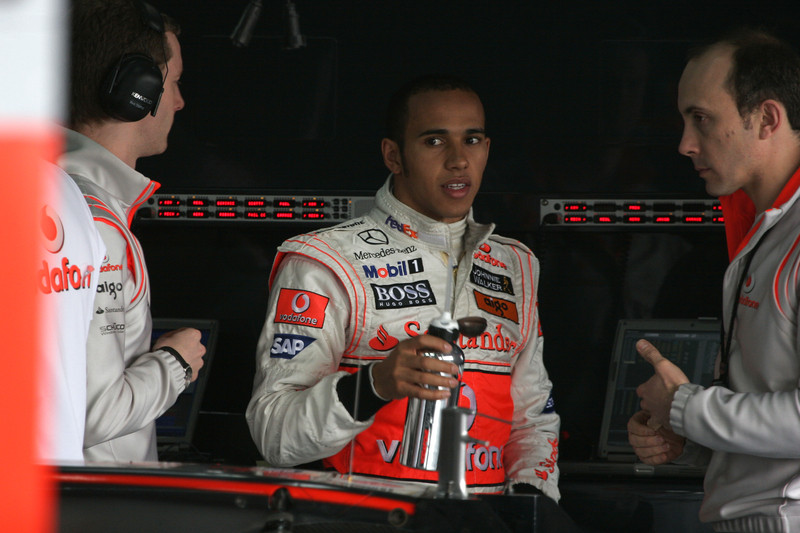
Anthony’s unyielding work ethic laid the foundation for Lewis’s success, but their bond wasn’t always easy. As Lewis entered the hyper-demanding world of Formula 1, their professional relationship became strained. By 2010, they had parted ways, and their communication suffered:
“His work ethic was inspiring for me to see what time he gets up in the morning. The little sleep he would have, endless days in the garage working towards the weekend, packing up the track, learning to be a better mechanic … But it was difficult for him to show me love. Sometimes you want a hug from your dad. You want to be embraced.”
For Lewis, the split wasn’t about rebellion - it was about needing his dad back, not as a manager, but as a father. “I really just wanted him to be my dad. Let’s go and have fun, let’s laugh. We hadn’t had that for a long, long time,” Lewis explained later. Over the years, they slowly rebuilt their relationship, and today, Anthony is not just present at races - he’s the first person whom Lewis calls when the engines go silent. Lewis says, “Sometimes I’ll say something that isn’t positive, but my dad is there to reaffirm, and to be positive.” Their journey reflects the tension and reconciliation that many parent-child relationships face when personal love becomes entangled with professional ambition.
But it wasn’t just his dad who played a big role in Lewis' establishment as a great athlete. Lewis speaks lovingly of his stepmother Linda, who was making sure that they were fully clothed, fed, and hydrated ahead of training and competitions, and his younger brother Nicolas, who was born with cerebral palsy and defied all odds to become a racing driver himself. Together, the family made racing a shared experience. Karting weekends weren’t just competitions; they were bonding moments. That emotional foundation has carried Lewis through both victory and heartbreak.
Triumph Through Adversity: Racism, Pressure, and Resilience
With the support of his family, Lewis Hamilton has become the first black driver and subsequently the first black champion in the history of Formula 1, a sport known for its exclusivity due to the extraordinary costs of participation. However, even after becoming a world star, Lewis was still a target of racial abuse: On February 4, 2008, during pre-season testing in Barcelona, he was targeted by several local spectators, who painted their faces black, wore black wigs, and shirts that read “Hamilton’s family.” Later that season, shortly before the 2008 Brazilian Grand Prix, media attention was attracted by a website titled “Pincha la rueda de Hamilton” (“Burst Hamilton’s tire”). The website featured an animated image of the Interlagos circuit, allowing users to place nails and porcupines on Hamilton’s racing line. Despite all this pressure, that season Lewis Hamilton won his first F1 world championship title.
Such resilience is fascinating. And it does not come for no reason: behind the victorious image of a world champion lies a man who has had to work hard to protect his mental health. The early traumas of racism, the pressures of fame, and the burden of being a trailblazer often took their toll. Lewis has openly discussed experiencing depression and moments of self-doubt both during his school years and at the peak of his career.
Rather than bury these feelings, Hamilton has embraced them - and grown through them. He’s become a student of life off the track, experimenting with new training methods, meditation, and even wellness retreats. He’s one of the first elite athletes who started to talk candidly about the emotional cost of high performance, pushing for a more compassionate conversation around well-being in elite sport.

Hamilton’s Mission: Redefining Success and Driving Change
As one of the world’s most famous athletes today, Hamilton advocates for human rights and strives to bring positive social change, aiming to save younger generations from the challenges he faced. As the first black driver in Formula 1, and eventually, its first black world champion, Hamilton became a symbol of what’s possible, and also of how far the sport still has to go. Through his initiatives like Mission 44, a charity that supports underrepresented youth, and his public stance on racial justice, Hamilton has consistently used his platform to open doors for others. “Winning a world championship is very much a personal thing … and that doesn’t necessarily impact people’s lives,” he told the reporters once - “Something I’m much prouder of is trying to improve conditions for people around the world. That’s the most important thing for me.”
This mindset reflects ecosystemic thinking, which prioritizes collaboration, adaptability, and collective success. When we work together to create value for all participants within a system, team, or society, we win more and we win well. In contrast, the dominant ethos of sport embodies the opposite: egosystemic thinking, where individual achievement trumps shared purpose.
The Future of Sport: A Holistic and Inclusive Ecosystem
Lewis Hamilton’s story is the story of a boy who fought for access in an exclusionary system, who navigated complex family ties to find deep connection, and who has never stopped working to protect his mental and emotional health. In telling his story, Hamilton helps redefine what success in sport truly means - not just speed and skill, but also courage, connection, and care.
Lewis Hamilton’s personal journey and current activism exemplify the complexity of environments surrounding athletes, and the pivotal roles of access, human connection, and well-being in shaping successful performance. His story demonstrates that it is essential for society to approach sports as a multifaceted ecosystem and not solely focus on athletic performance: there are many challenges hidden at interpersonal, organisational, sectoral, and societal levels, and the best way to tackle them is to employ a holistic, systemic approach.
Just as narratives from sport shape individuals and society, so do societal forces and athletes’ environments shape sport itself.