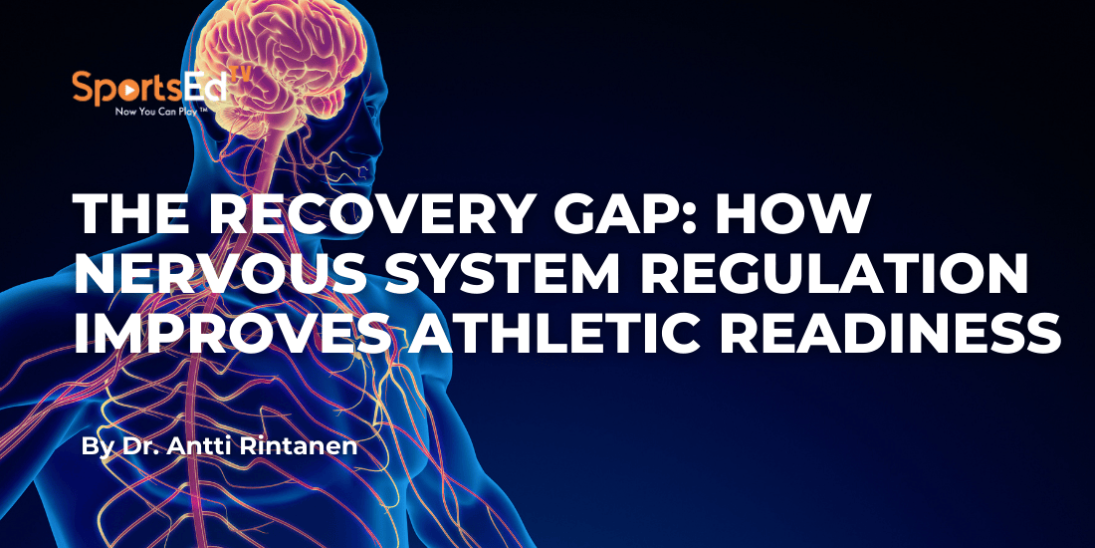
Athletes train harder than ever, but many overlook the nervous system—the hidden regulator of readiness. Strength and conditioning won’t reach their full effect if the brain and body aren’t recovering in sync.
In sports, much attention is given to training volume, nutrition, and strength work. But one area often overlooked is the recovery gap—the difference between how much an athlete trains and how well their body, particularly the nervous system, is prepared to recover.
When the nervous system is overloaded, even the most carefully designed program can fall short. By learning to regulate the nervous system, athletes can close this recovery gap, improve readiness, and unlock better performance.

What Is the Recovery Gap?
The recovery gap describes the mismatch between training load and the body’s capacity to reset. Coaches may track sets, reps, or GPS data, but the nervous system does not always line up with those numbers.
Athletes train harder than ever, but many overlook the nervous system—the hidden regulator of readiness. Strength and conditioning won’t reach their full effect if the brain and body aren’t recovering in sync.
In sports, much attention is given to training volume, nutrition, and strength work. But one area often overlooked is the recovery gap—the difference between how much an athlete trains and how well their body, particularly the nervous system, is prepared to recover.
When the nervous system is overloaded, even the most carefully designed program can fall short. By learning to regulate the nervous system, athletes can close this recovery gap, improve readiness, and unlock better performance.
What Is the Recovery Gap?
The recovery gap describes the mismatch between training load and the body’s capacity to reset. Coaches may track sets, reps, or GPS data, but the nervous system does not always line up with those numbers.
-
An athlete may appear physically recovered but still experience sluggish reactions, poor focus, or irritability.
-
Conversely, light sessions may feel heavy if the nervous system is stressed by academics, work, or emotional demands.
This gap matters because the nervous system governs everything—from muscle activation to reaction speed. If it is not fully reset, performance suffers and the risk of injury rises.

Why the Nervous System Matters
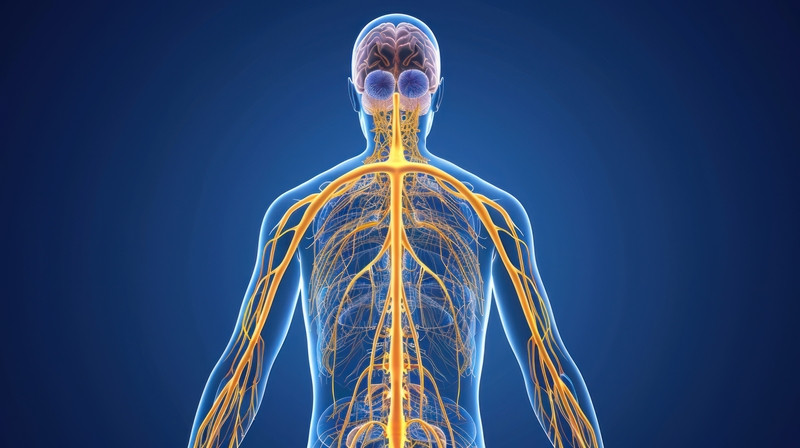
Most athletes think of recovery as a muscular or joint issue. But the nervous system—brain, spinal cord, and peripheral nerves—sets the rhythm of adaptation. It influences:
-
Muscle readiness: timing and efficiency of contractions
-
Coordination: the ability to move fluidly and quickly
-
Focus and decision-making: especially in competition
-
Stress tolerance: handling pressure in sport environments
The autonomic nervous system has two main branches:
-
Sympathetic (fight-or-flight): drives intensity and alertness.
-
Parasympathetic (rest-and-digest): restores balance and promotes recovery.
Peak performance requires both. Too much sympathetic activity without a parasympathetic reset leaves the body “stuck in gear,” contributing to poor sleep, slow recovery, and greater injury risk. Endurance training is known to elevate parasympathetic tone, enabling athletes to sustain lower resting heart rates and achieve better autonomic balance.¹
Signs of Nervous System Fatigue
Athletes, coaches, and parents can spot incomplete recovery through warning signs such as:
-
Persistent fatigue despite lighter training
-
Disturbed or shallow sleep
-
Mood swings, irritability, or reduced motivation
-
Slower reaction times and decreased agility
-
More frequent minor injuries (strains, pulls)
-
Difficulty focusing on academics or tactics
These signals are not just “mental”—they are nervous system alarms that the recovery gap is widening.
Practical Tools to Regulate the Nervous System
The good news is that closing the recovery gap does not require expensive equipment. Evidence-based, practical strategies can reset the nervous system and restore balance.
1. Breathwork for Recovery
Slow, structured breathing activates parasympathetic pathways. Methods such as box breathing (inhale for 4, hold 4, exhale 4, hold 4) or extended exhalation breathing (inhale 4, exhale 6–8) help athletes downshift into recovery mode.
Narrative reviews confirm that controlled breathing can lower sympathetic activity, improve HRV, and enhance resilience.² Moreover, short daily breath practices reduce physiological arousal and improve mood.âµ
2. Active Recovery
Light activity—mobility drills, yoga-inspired flows, or walking—signals the body that high effort is over. This not only aids circulation but also facilitates a nervous system “cool-down.”
3. Sleep Hygiene for Athletes
Deep sleep is the nervous system’s most powerful reset. Consistent sleep routines, reduced evening screen use, and simple pre-bed relaxation practices help improve both sleep quality and recovery efficiency.
Research shows that post-exercise recovery requires parasympathetic reactivation to restore homeostasis. Deep sleep plays a key role in this process, and consistent routines that promote good sleep quality support nervous system balance.â
4. Pre-Performance Reset
Athletes often arrive at competitions overstimulated. Two to three minutes of breathing, mindfulness, or visualization can balance arousal levels and sharpen focus.
Studies in collegiate athletes have shown that relaxation strategies following intense sessions support parasympathetic reactivation, thereby preparing the body and mind for the next effort.³
5. Daily Micro-Breaks
Youth athletes juggle training with academics, while adults face jobs and family stress. Teaching athletes to pause briefly—a mindful walk, a few deep breaths—prevents chronic sympathetic overload. Such micro-breaks not only support recovery but also protect mental well-being.âµ
Nervous System Recovery Across Athlete Levels
-
Youth Athletes: Stress outside sport (e.g., exams) can be as taxing as tournaments. Building small daily recovery practices creates lifelong resilience.
-
Amateur Athletes: Work and family often keep the body in a sympathetic-dominant state. Evening relaxation rituals, even as short as 5–10 minutes, help shift into recovery mode.
-
Elite Athletes: Heavy training requires close monitoring. HRV technology is helpful, but subjective cues—such as irritability, poor sleep, or “heavy legs”—are equally valuable. HRV is a validated tool for gauging training status and readiness.â´
Case example: A sprinter struggling with slower starts began practicing three minutes of extended exhalation breathing before workouts. Within weeks, reaction times improved—not by adding training, but by restoring nervous system regulation.

Why Coaches and Parents Should Care
For coaches: Recognizing the recovery gap can lead to changes in programming. Sometimes the smartest adjustment is not more drills, but added recovery. Wrapping up practice with group breathwork or mobility helps athletes reset together.
For parents: Viewing recovery as an active part of training rather than downtime helps young athletes thrive. Supporting sleep hygiene, encouraging wind-down routines, and limiting screens are small but powerful interventions.
Closing the recovery gap not only enhances athletic performance but also supports mental health, resilience, and long-term enjoyment of sports.
The Takeaway
Athletic readiness is not just about skill, strength, or endurance—it depends on a balanced nervous system. Ignoring the recovery gap risks burnout, plateaued progress, and injury.
Simple, evidence-backed tools—structured breathing, active recovery, sleep routines, pre-performance resets, and daily micro-breaks—help athletes train smarter, recover faster, and build resilience.
Closing the recovery gap doesn’t just prepare athletes for their next practice. It sets the foundation for sustainable, lifelong performance.

About the Author

Dr. Antti Rintanen is a medical doctor and author of The Internet Doctor. He specializes in posture, nervous system regulation, and micro-recovery strategies that shape athletic performance, resilience, and injury prevention.
References
-
Dong JG. The role of heart rate variability in sports physiology. Exp Ther Med. 2016;11(5):1531-1536. https://www.ncbi.nlm.nih.gov/pmc/articles/PMC4840584/
-
Migliaccio G, Cinque K, Perrotta F, et al. Sports Performance and Breathing Rate: What Is the Connection? A Narrative Review on Breathing Strategies. Sports (Basel). 2023;11(5):102. https://www.ncbi.nlm.nih.gov/pmc/articles/PMC10224217/
-
Renaghan E, Wishon MJ, Wittels HL, et al. The effects of relaxation techniques following acute, high-intensity football training on parasympathetic reactivation. Front Sports Act Living. 2023;5:1267631. https://www.ncbi.nlm.nih.gov/pmc/articles/PMC10713749/
-
Addleman JS, Lackey NS, DeBlauw JA, Hajduczok AG. Heart Rate Variability Applications in Strength and Conditioning: A Narrative Review. J Funct Morphol Kinesiol. 2024;9(2):93. https://www.ncbi.nlm.nih.gov/pmc/articles/PMC11204851/
-
Balban MY, Bosworth A, Figueroa C, et al. Brief structured respiration practices enhance mood and reduce physiological arousal. Cell Rep Med. 2023;4(2):100895. https://www.ncbi.nlm.nih.gov/pmc/articles/PMC9873947/
-
Ndongo JM, Mandengue SH, Caille A, et al. Post-exercise heart rate variability recovery after 800-m endurance run load among Cameroonian adolescent males. Sports Med Health Sci. 2023;5(4):283-289. https://www.ncbi.nlm.nih.gov/pmc/articles/PMC10831379/
-
Shin K, Minamitani H, Onishi S, Yamazaki H, Lee M. Autonomic differences between athletes and nonathletes: spectral analysis approach. Med Sci Sports Exerc. 1997;29(11):1482-1490. https://pubmed.ncbi.nlm.nih.gov/9372486/