Why Inclusive PE Matters
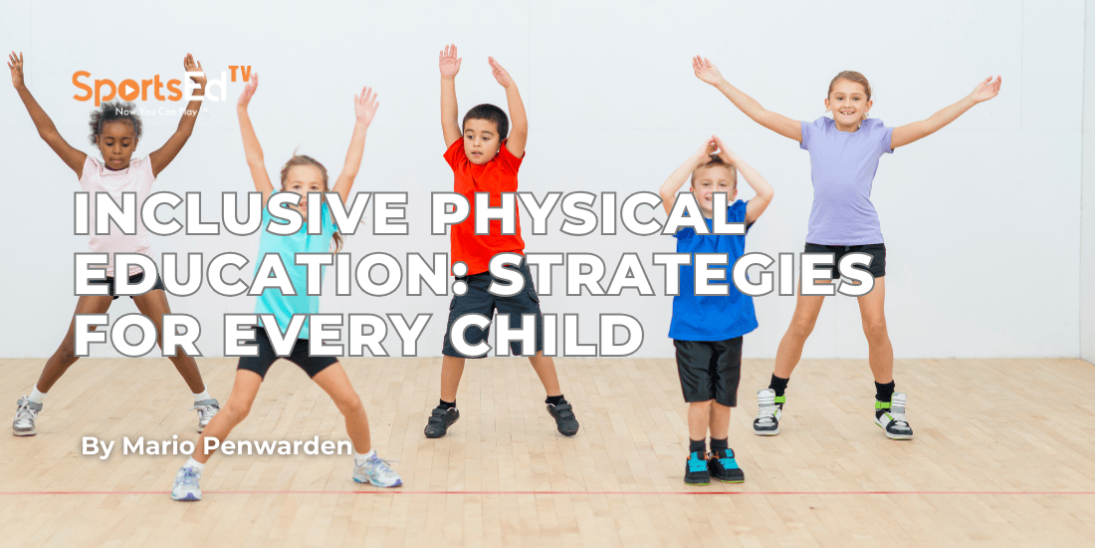
Every child deserves the chance to feel welcome and successful in physical education. When PE isn’t inclusive, children can quickly lose motivation—not only for gym class, but for physical activity as a whole. On the other hand, inclusive practices ensure that all children realize movement is fun, engaging, and something they can enjoy for a lifetime.
Inclusive PE also promotes social and emotional learning. Children who participate in activities where differences are respected learn teamwork, empathy, and resilience. They discover that it’s okay to try, fail, and try again in a safe environment. For teachers, inclusive PE is about fostering a culture of belonging where students of all abilities feel valued and know they have something valuable to contribute.

Practical Strategies for Inclusive Physical Education
Adapt the Activity, Not the Objective
The key to inclusive PE is maintaining consistent learning outcomes while adapting the activity to accommodate different abilities. If the goal is to improve coordination or build cooperation, that doesn’t change—but the way students practice can.
-
Offer students with limited motor control a lighter or smaller ball.
-
Reduce the distance for mobility-impaired students during throwing or running games.
-
Replace sprinting with walking or rolling in tag so every child can participate.
Why Inclusive PE Matters
Every child deserves the chance to feel welcome and successful in physical education. When PE isn’t inclusive, children can quickly lose motivation—not only for gym class, but for physical activity as a whole. On the other hand, inclusive practices ensure that all children realize movement is fun, engaging, and something they can enjoy for a lifetime.
Inclusive PE also promotes social and emotional learning. Children who participate in activities where differences are respected learn teamwork, empathy, and resilience. They discover that it’s okay to try, fail, and try again in a safe environment. For teachers, inclusive PE is about fostering a culture of belonging where students of all abilities feel valued and know they have something valuable to contribute.
Practical Strategies for Inclusive Physical Education
Adapt the Activity, Not the Objective
The key to inclusive PE is maintaining consistent learning outcomes while adapting the activity to accommodate different abilities. If the goal is to improve coordination or build cooperation, that doesn’t change—but the way students practice can.
-
Offer students with limited motor control a lighter or smaller ball.
-
Reduce the distance for mobility-impaired students during throwing or running games.
-
Replace sprinting with walking or rolling in tag so every child can participate.
These small but thoughtful changes allow all students to reach the same objective, without anyone feeling left out.
Offer Students Choices
Choice empowers children and keeps them engaged. When students feel ownership over their participation, they are more invested in the activity.
-
In a fitness circuit, let students choose between star jumps, step-ups, or marching in place.
-
In a throwing drill, provide beanbags, foam balls, or tennis balls and let them decide what works best.
Offering multiple paths toward the same outcome fosters accountability, boosts motivation, and makes PE more enjoyable for everyone.
Praise Effort, Not Just Achievement
Not every student will be the fastest sprinter or the highest jumper—but every child can try. By praising effort, persistence, and progress, teachers build self-confidence and resilience.
Examples of inclusive praise:
This approach shifts the focus from winning to growing, teaching children that effort matters as much as results.
Encourage Pair and Team Work
Students thrive when they learn from one another. Pairing children with different strengths promotes cooperation and peer support.
-
In relay races, one child can run while another contributes strategy or encouragement.
-
Pairing a confident student with a shy or anxious peer fosters trust and social development.
By creating a team-based environment, teachers demonstrate that success in PE doesn’t have to be a solo effort—it’s about lifting one another.

Use Simple Technology and Visual Supports
Technology and visual cues make PE more accessible and engaging. They help students understand expectations, stay organized, and track progress.
-
Cones, arrows, and floor tape can mark stations or movement patterns.
-
Music provides rhythm and energy during warm-ups.
-
Pedometers or fitness apps allow students to set personal goals and celebrate their own achievements.
These tools reduce barriers for students who may require extra support, while enhancing the overall learning experience for the entire class.
The Ripple Effect of Inclusive Physical Education
The benefits of inclusive PE extend far beyond the gym. Children who feel accepted in PE develop confidence that transfers into academics, friendships, and even family life. They become more comfortable in group settings, more willing to try new activities, and more open to collaboration.
Peers also gain valuable skills. By participating in inclusive activities, children learn patience, tolerance, and the value of cooperation. They discover that every person contributes in different ways—an understanding that shapes them into more compassionate and adaptable adults.

Final Thought: Building a Culture of Belonging in PE
Inclusive PE doesn’t require reinventing the wheel—it requires creativity, flexibility, and a willingness to see potential in every child. By making minor adjustments, offering choices, and focusing on effort, teachers create a classroom where every student feels, “I can do this.”
With encouragement, imagination, and patience, physical education becomes more than exercise—it becomes a place where every child gets the chance to move, grow, and shine.