A Lifetime with Tennis
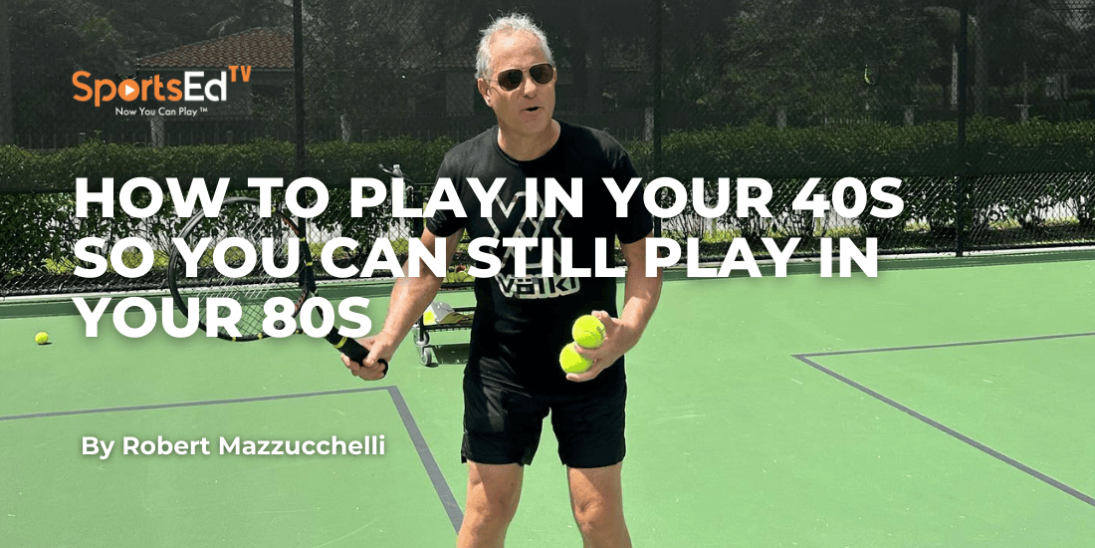
I’ve been fortunate to spend my entire life around the game of tennis — first as a player, then as an entrepreneur, and now as Chairman of SportsEdTV. Today, in my 60s, I’m still on the court several times a week.
Why? Because tennis isn’t just a sport to me — it’s a lifelong gift. It has given me friendships, fitness, and joy at every stage of life. However, I’ve also learned that to continue playing well into your later years, you need to approach self-care differently at 40 than you did at 20.
That’s why I wanted to write this piece. Not as a coach, not as a scientist, but as someone who still loves the game and wants to share the lessons, research, and habits that can help all of us keep swinging — whether we’re chasing down serves in our 40s, playing doubles in our 60s, or enjoying rallies in our 80s.

Tennis Is the Sport of Longevity
Tennis is more than just a game — it’s a lifelong companion. Unlike sports that rely heavily on brute force or youthful explosiveness, tennis offers a greater emphasis on adaptability. You can enjoy it as a child with a foam racquet, as a competitive teen in tournaments, as an adult for fitness and fun, and as a senior well into your eighties or even nineties.
Research backs this up. A major study published in the British Journal of Sports Medicine found that tennis players lived almost 10 years longer than their non-playing peers. That’s more than running, swimming, or cycling. Why? Tennis combines physical activity, mental challenge, and social interaction, a trio that supports both body and brain health as you age.
But here’s the reality: wanting to play tennis at 80 starts with what you do at 40. Just as in tennis, where points build into games and games build into sets, the choices you make now are cumulative. The good news? With the right approach, you can set yourself up for decades of rallies, laughter, and community on the court.
This guide breaks down what you need to focus on — from technique and fitness to gear, recovery, finances, and mindset — and includes links to SportsEdTV videos and blogs, providing you with practical resources to support your journey.
Refine Technique for Efficiency
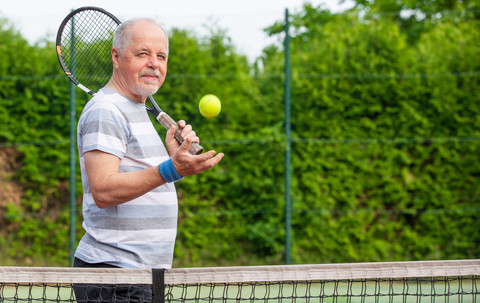
In your 20s, you might get away with wild swings and raw athleticism. In your 40s, efficiency becomes king. A smooth, repeatable technique is easier on your joints, saves energy, and allows you to adapt as your body changes.
Stay Loose, Then Explode at Contact
Tension is the enemy of longevity. If you’re muscling every shot, your elbow and shoulder will pay the price. Learn to stay loose in preparation and only accelerate at the moment of contact. Coach John Eagleton explains this brilliantly in our videos.
Play Percentage Tennis
Aim to shorten the point while maintaining consistency and making smart shot selections. Try to shorten the point to avoid grinding your body into the ground, which won’t keep you on court in your 70s.
Strength and Conditioning: Future-Proof Your Body
After the age of 40, muscle mass and bone density begin to decline. But the decline isn’t inevitable. Strength training and conditioning can not only preserve but also improve your physical base, creating an insurance policy against injuries.
Leg Strength = Court Longevity
Strong legs keep you explosive, but more importantly, they stabilize knees and hips. Squats, lunges, resistance band walks, and step-ups are all essential exercises.
Core and Shoulder Health
Your serve and strokes rely on a chain of power. A weak core or fragile shoulders disrupt that chain and push stress to joints. Planks, medicine ball throws, and banded shoulder exercises can keep your chain solid.
Balance and Mobility
One of the most significant risks for older players isn’t just losing a match — it’s falling. Incorporate yoga, Pilates, or single-leg balance drills to ensure your stability.
Explore our strength and conditioning section for strength and mobility routines specifically designed for athletes.
Studies on aging athletes have shown that resistance training twice a week can help reverse age-related muscle loss and maintain fast-twitch fibers, which are crucial for quick reactions on the court.
Smarter Play: Adjusting Your Style for Longevity
Longevity doesn’t mean giving up competitiveness — it means being clever about how you play.
Doubles Is Your Friend
Less court to cover, more strategy, and plenty of social interaction. Many lifelong players naturally shift to doubles, where reflexes and positioning take precedence over speed.
Strategic Court Positioning
Anticipation beats sprinting. Learning where to stand cuts down wasted steps and preserves your energy. Even our pickleball court coverage guide translates directly to tennis doubles.
Pacing and Recovery Within Matches
Shorten points when needed. Use a slice to disrupt the rhythm. Build patterns of play that rely on brains, not just brawn.
A smarter player beats a faster player when endurance and efficiency come into play.
The Recovery Mindset: Respect the Off-Court Game
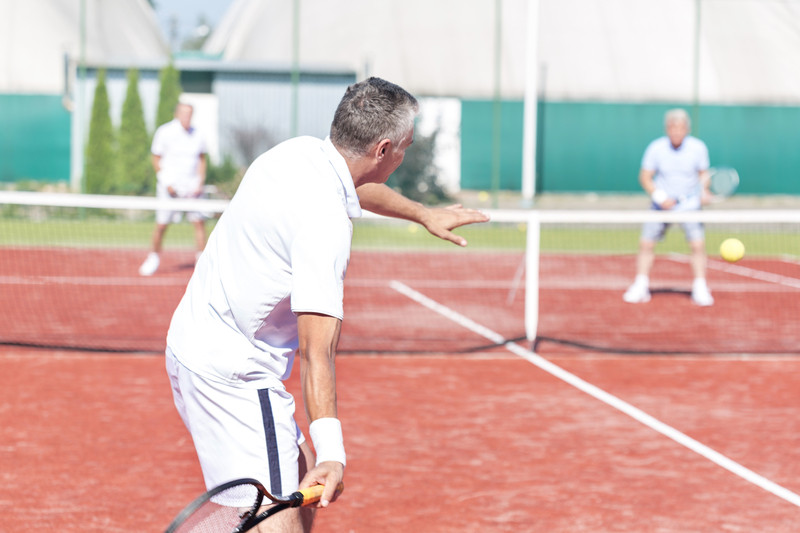
At 20, you might bounce back after three hours of tennis and a late night out. At 40 and beyond, recovery is no longer optional — it’s the game behind the game.
Prioritize Sleep
Growth hormone, crucial for repair, spikes during deep sleep. Cutting sleep is cutting recovery.
Hydration and Electrolytes
Dehydration is a hidden killer of longevity. Even mild deficits increase injury risk and impair reaction time. Check out our blog on Electrolytes and Hydration.
Mobility and Stretching
Foam rolling, dynamic stretching, and yoga keep tissues pliable. Stiffness today can become arthritis tomorrow if left unaddressed.
Embrace Active Recovery
Walking, swimming, or light hitting helps circulation and healing without added strain.
A review in the Journal of Aging and Physical Activity notes that recovery strategies, such as stretching and active rest, significantly reduce age-related decline in mobility.
Equipment Matters More Than You Think
Gear isn’t just performance — it’s protection.
Racquets: Choose arm-friendly frames with larger sweet spots. Heavier racquets stabilize impact but can be too demanding; lighter racquets reduce strain but mustn’t compromise stability.
Strings: Lower tension absorbs shock and eases stress on elbows. Multifilament or natural gut can be better than stiff polyester for aging arms.
Shoes: Tennis is brutal on knees and ankles. Supportive, cushioned shoes are non-negotiable. Our blog on choosing sports shoes — though written for volleyball — highlights principles of cushioning, traction, and stability that apply directly to tennis.
The right equipment adds years to your playing career by removing unnecessary wear.

Nutrition for Longevity on Court
Your diet in your 40s is no longer just about performance — it’s about preservation.
Protein: Preserve lean muscle with 1.2–1.6 g/kg daily. Our protein timing and strength study review shows how distribution matters.
Anti-inflammatory Foods: Omega-3s, berries, turmeric, and green leafy vegetables reduce joint inflammation.
Smart Carbs: Fuel matches with low-glycemic carbs to maintain steady energy. See our blog on High Glycemic Diets and Heart Health.
Supplements: Creatine isn’t just for young athletes — it supports strength and cognition. Our blog on creatine explains why it’s the most researched supplement for all ages.
A 2019 Nutrients meta-analysis showed omega-3 supplementation can reduce age-related muscle loss by up to 50%.

The Social and Mental Edge
The mental side of tennis is as important as the physical. Players who thrive into their 80s aren’t just fit — they’re socially and emotionally invested.
Stay Connected: Tennis is a community sport. Friendships on the court keep people coming back.
Keep Learning: Take lessons, watch instructional content, and refine technique. Lifelong learners stay engaged.
Mindset Matters: Tennis is humbling. Embrace adaptability and fun over perfection.
Join the SportsEdTV Community to share experiences, connect with coaches, and engage globally.
Social interaction is linked with a 29% reduction in mortality risk. Tennis gives you fitness and friendships in one package.

Financial Longevity: Planning for the Extra Sets
(Advice From Our Financial Services Partner)
Living longer is a gift — but it also means your money needs to last longer. Many bankers and financial advisors recommend treating wealth management the way athletes treat training: with structure, discipline, and a long-term game plan.
Think Long Game
Just as in tennis, success comes from patience and compounding effort. Start early with retirement accounts, index funds, or diversified investments. The earlier you begin, the more you benefit from compound growth.
Budget Like a Training Plan
Divide your financial life into “phases,” much like you divide training into mesocycles. Essentials (housing, food), training and health (equipment, coaching, insurance), savings and investments, and lifestyle spending should all have their place.
Protect Your Serve with Insurance
Longevity brings uncertainty. Health, disability, and life insurance act as your defensive game — covering risks that could otherwise knock you out of play.
Diversify Like a Balanced Game
Don’t rely on a single “stroke.” Spread your assets across stocks, bonds, real estate, and even side businesses. Some tennis players have found success creating clinics, online coaching programs, or investing in community facilities.
Plan for Extra Sets
If you’re likely to live into your 90s, you’ll need your portfolio to last longer than the average plan. Consider lifetime income options like annuities or safe withdrawal strategies that stretch savings across decades.
Work with a Financial Coach
Even the best players need a coach. A financial planner will help you create a personalized strategy, much like a tennis coach tailors training to your unique style and goals.
The same discipline that keeps you on court for decades can keep your finances healthy. Think of money management as the doubles partner you’ll rely on through the longest matches of life.

The Rally Never Has to End
Tennis offers one of life’s greatest gifts: the chance to keep moving, competing, and connecting across decades. But like any gift, it requires care. The habits you establish in your 40s — efficient technique, strength training, recovery, smart equipment choices, good nutrition, social engagement, and financial planning — will determine whether you’re still playing in your 80s.
At SportsEdTV, our mission is to give athletes, coaches, and parents the tools to keep the game alive for a lifetime. With world-class videos, blogs, and a global community, we’re here to make sure your rally never has to end.
Explore more on SportsEdTV’s Tennis Library and take the next step toward your lifelong game.