Health
Welcome and thanks for visiting...

The Dreaded ACL Injury – Is There a Solution? Part II
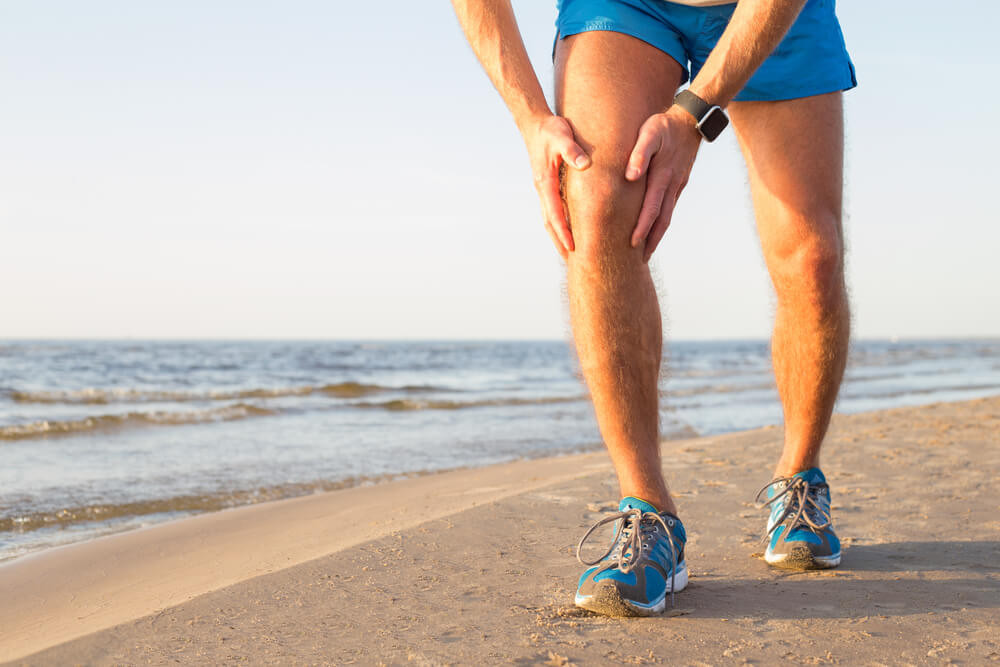
Last time, we started our discussion talking about anterior cruciate ligament (ACL) injuries and the impact that anterior cruciate ligament reconstructions (ACLR) have on future performance. We ended the discussion asking the questions, what is it that leads to these injuries, how can we assess this as parents and coaches and what can we do about it? First, let's look at what leads to these injuries.
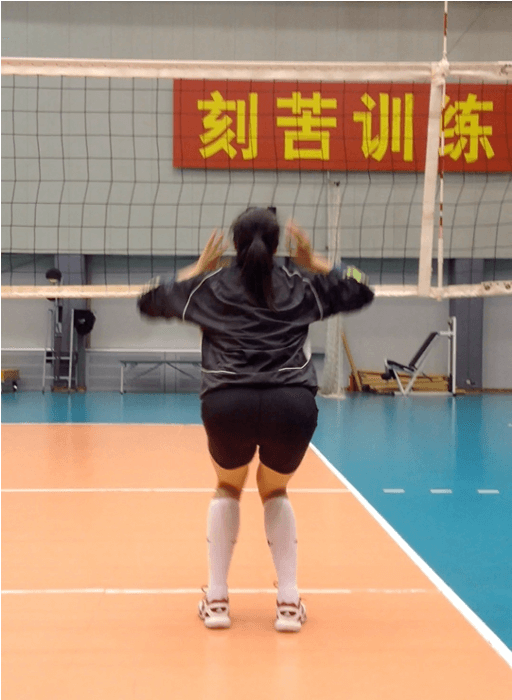 The majority of ACL injuries are non-contact in orientation (Nessler et al Cur Rev Musculo Med 2017) meaning there is no contact with another player or external object. Typically, these occur when an athlete plants their foot and cuts off in another direction. We typically see the knee fall in towards the midline and hear the dreaded “pop”. Sometimes the athlete can keep going and sometimes they fall down immediately with pain. Their knee falling toward midline is called a dynamic valgus position at the knee which has been identified as the main mechanism for injury in professional athletes (Johnston et al Am J Sport Med 2018) as well as recreational and high school athletes (Owusu-Akyaw et al Am J Sport Med 2018, Nessler et al Int J Athl Ther Train 2013). The interesting thing is that you can identify those athletes that this is more likely to occur with. As a basketball or volleyball coach, you see this all the time but may not recognize it for what it is. If you are watching your players shoot or go up to block a shot during practice and as they load to jump up, watch what their knees do. Do they collapse toward midline? What you will see, is that some fall a little and some fall a whole lot. This happens in high school, college, professional and Olympic athletes. Why is that?
There are a lot of factors that can result in this dynamic valgus position. One thing is large growth spurts. For our 12-14-year-old athletes that go through a massive growth spurt, you will typically see this start to develop. With the big change in height often comes a decrease in their sense of body awareness (Nessler et al Curr Rev Musculo Med 2017) which often leads to that awkward movement patterns we see in our younger athletes. If this is never addressed, which is often not, then this remains. In addition, weakness in the quadriceps (Smith et al Am J Sport med 2015, Ho et al J Physio 2015) can lead to an increase in dynamic valgus. Considering this, how can we, as non-clinicians and without high tech equipment analyze this? The easiest way to do this is to have your athlete do 10 single-leg squats. What you want to watch for is:
 1. Can they perform the task?
2. Is there symmetry between the right side and left? Do they look the same?
3. Does their knee fall in toward midline (middle)?
4. Do they lose their balance?
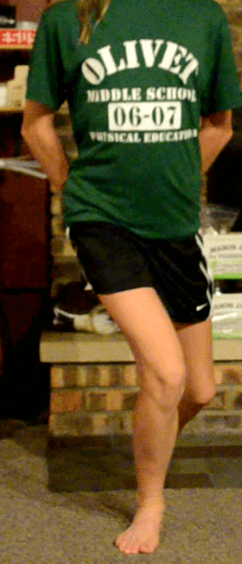
If you see an athlete like what is depicted here, we see several things. One is that there is a significant difference between her right leg and her left leg. Her right knee is going in toward midline while her left is not. The fact that there is a difference between both sides and that one knee goes in toward midline will not only impact her risk but also impact her performance. (Melick et al Br J Sport Med 2016) Secondly, what we would most likely see is when performing the single-leg squats on her right side, she is more likely to lose her balance than she would on her left side (Markstrom et al Am J Sport Med 2020, Pappas et al Clinic J Sport Med 2011).
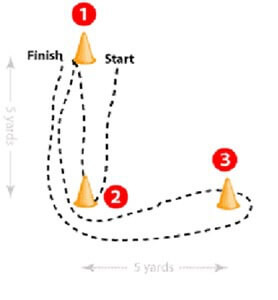 Although there is a lot of debate about this, fatigue also plays into this. We know that as you fatigue, there and increase in this motion at your knee (Brazen et al Clinic J Sport Med 2010), increase in forces at your knee (Nessler et al Curr Rev Mucolo Med 2017) and a decrease in control of the muscles that control your hip and knee (Weist et al Am J Sport Med 2004). One thing we know is that when we fatigue our athletes with our standardized protocol, we see a significant impact on the way they move. The protocol we use is called the FAST-FP or functional agility short term fatigue protocol (Quamman et al J Athl Train 2012) which has been shown to be one of the few protocols to actually draw out this dynamic valgus position we are looking to assess. It is this knowledge that has actually led to our prevention approach which we call fatigue state training. We will talk about this in detail later, but it is one of the key concepts we have implemented that we feel has resulted in such a significant impact on our injury rates as well as athletic performance in our athletes. Although we are using this to prevent the initial injury, studies are also now showing that this is especially critical if an athlete has had an ACLR. After an ACLR, fatigue has a bigger impact on movement and overall risk (Benjaminse et al Sport Health 2019). Considering this, fatigue state training should be a critical part of returning any athlete to sport after an ACLR.
Some additional factors that we can assess that directly impact this dynamic valgus and risk of injury and impact performance are how you squat and core strength. We will discuss this more in-depth in our next blog. I hope you found this information useful and looking forward to sharing more with you.
Read more:
The Dreaded ACL Injury – Is There a Solution?
The Dreaded ACL Injury – Is There a Solution? Part III
The Dreaded ACL Injury – Is There a Solution? Part IV
The Dreaded ACL Injury – Is There a Solution? Part V