When your child steps onto the field, court, or gym for the first time, you’re not just watching a game; you’re witnessing the beginning of a relationship. A relationship with sport that, if nurtured the right way, can last a lifetime.
The truth is simple: your child only gets one childhood. One chance to fall in love with the game. One opportunity to build confidence through joy rather than fear. Whether they continue playing into their teens or put down the ball after middle school often depends less on their talent and more on how they feel when they play.
Research consistently shows that the number one reason kids quit sports is that it stops being fun. According to the Aspen Institute’s Project Play and studies published in the Journal of Physical Activity and Health, enjoyment, belonging, and autonomy are the strongest predictors of long-term participation. Trophies don’t keep kids playing; feelings do.
So, as parents, our mission isn’t to make better athletes. It’s to help raise happier, more resilient humans who love being active.

What Really Keeps Kids Playing
When you ask young athletes why they play, the answers are wonderfully pure:
“I love being with my friends.”
“It feels good to move.”
“I like getting better.”
When your child steps onto the field, court, or gym for the first time, you’re not just watching a game; you’re witnessing the beginning of a relationship. A relationship with sport that, if nurtured the right way, can last a lifetime.
The truth is simple: your child only gets one childhood. One chance to fall in love with the game. One opportunity to build confidence through joy rather than fear. Whether they continue playing into their teens or put down the ball after middle school often depends less on their talent and more on how they feel when they play.
Research consistently shows that the number one reason kids quit sports is that it stops being fun. According to the Aspen Institute’s Project Play and studies published in the Journal of Physical Activity and Health, enjoyment, belonging, and autonomy are the strongest predictors of long-term participation. Trophies don’t keep kids playing; feelings do.
So, as parents, our mission isn’t to make better athletes. It’s to help raise happier, more resilient humans who love being active.
What Really Keeps Kids Playing
When you ask young athletes why they play, the answers are wonderfully pure:
“I love being with my friends.”
“It feels good to move.”
“I like getting better.”
Not one says, “Because I want a scholarship.”
Sports psychologist Dr. Jean Côté’s research on youth motivation highlights that intrinsic motivation, doing something because it feels rewarding, leads to higher performance, persistence, and enjoyment. The moment sport becomes about external rewards like winning, rankings, or approval, intrinsic joy fades.
That’s why the most important job for parents isn’t managing results. It’s protecting the environment that lets love for the game grow naturally through laughter, mistakes, and small victories that go unnoticed on the scoreboard.
The 5 Assurances for Lifelong Play
These are your parenting promises, five simple but powerful assurances to help your child build a healthy, lifelong relationship with sport.
1. Make Joy the Goal, Not the Outcome
If your child leaves the field smiling, you’ve already won.
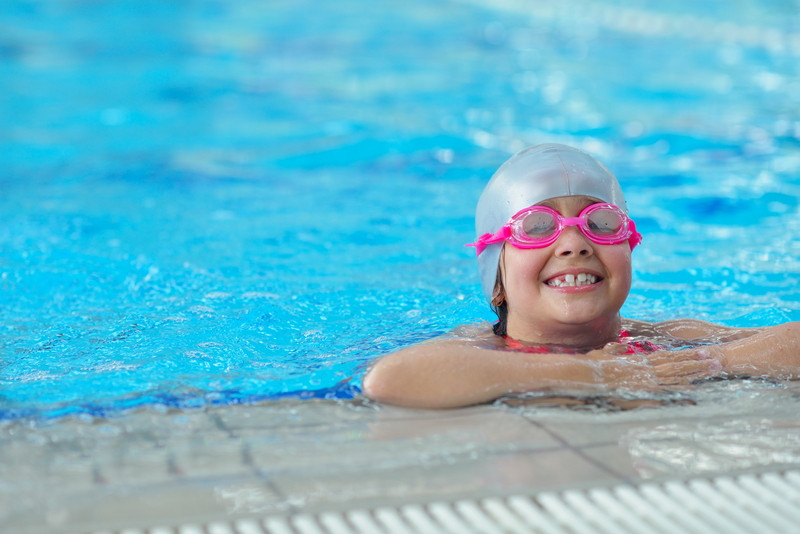
Children associate experiences with emotions. When the field is a place of joy, they want to return. When it’s a place of pressure, they retreat. Studies from the American Academy of Pediatrics show that kids who perceive parental expectations as performance-based experience more anxiety, less confidence, and are far more likely to quit.
After games, skip the play-by-play analysis. Instead, ask:
These questions shift focus from results to growth and exploration. Over time, that habit rewires motivation, making joy the engine, not fear of failure.
2. Be the Safe Zone, Not the Scorekeeper
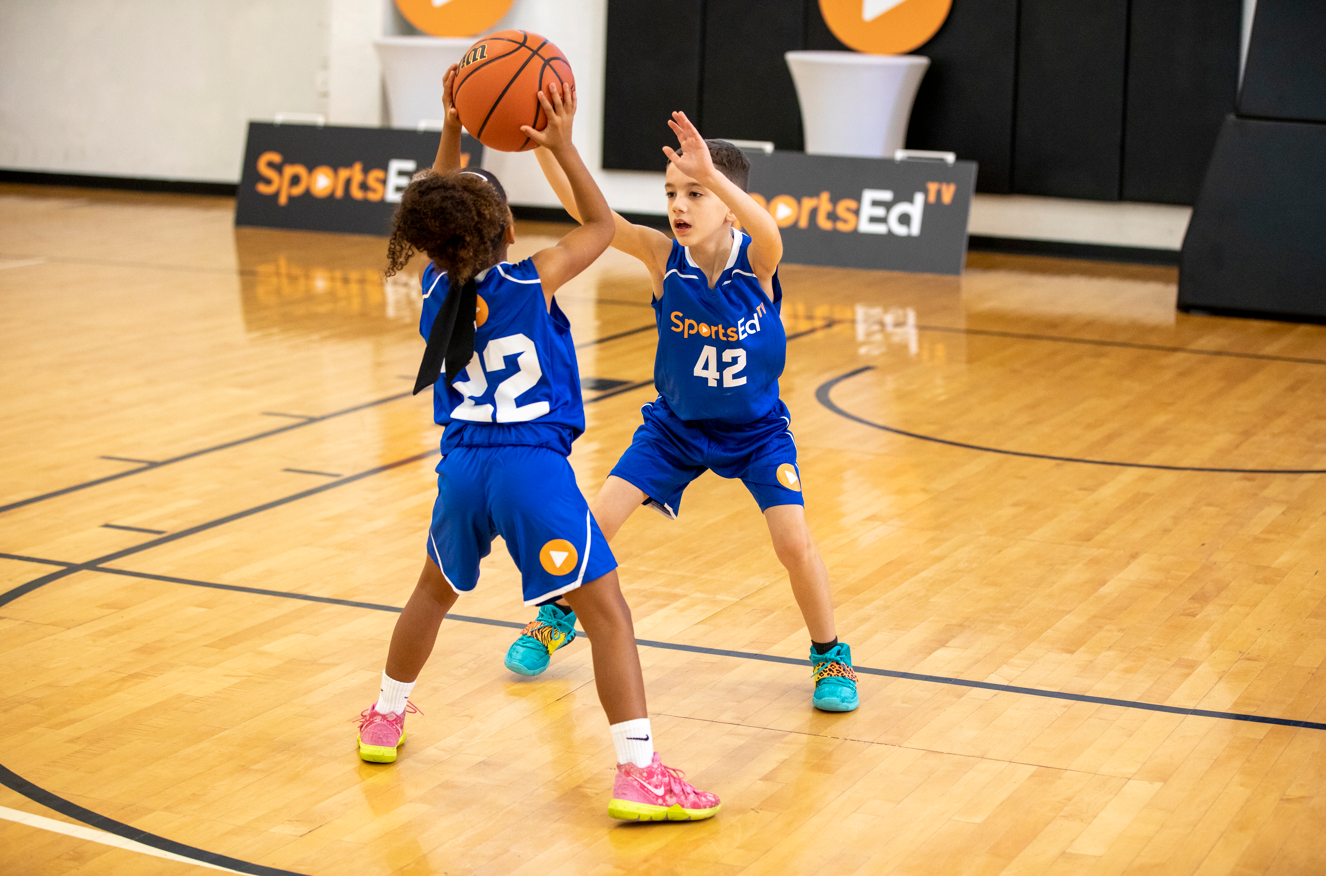
Every child needs a “safe harbor,” a place where their worth isn’t tied to performance.
When parents become critics instead of comforters, kids lose their emotional anchor. They don’t need a second coach; they need you to be their sanctuary.
Be the one who hugs, not the one who critiques.
Be the one who says, “I love watching you play,” not “You should’ve passed sooner.”
Your child’s emotional connection to sport depends on how secure they feel with you. Neuroscience tells us that emotional safety activates the brain’s learning centers, while fear shuts them down. When love feels unconditional, effort naturally follows.

3. Celebrate the Invisible Wins
Not every victory comes with a medal.
Did your child help a teammate up? Keep hustling after a mistake? Smile after losing a point? Those are invisible wins, and they’re the ones that build character.
Behavioral psychologists refer to this as process praise, recognizing effort, courage, and sportsmanship rather than talent or outcome. Dr. Carol Dweck’s landmark research on the growth mindset shows that praising effort fosters resilience and a love of learning, while praising results can foster a fear of failure.
Try saying:
-
“I loved how you kept going after that miss.”
-
“You showed great teamwork today.”
-
“I saw you trying something new, that’s brave.”
When effort becomes the metric of success, kids become lifelong learners, not perfection seekers.
4. Let Them Lead
It’s their game. Let them own it.
Children who feel autonomy, who believe they have a say, are far more motivated and confident. According to Self-Determination Theory (Deci & Ryan), autonomy is one of the three core psychological needs for motivation, alongside competence and relatedness.
So, let them decide whether to play defense or try a new skill. Let them pack their own gear, choose their practice playlist, or take a break when they need it.
When kids feel in charge of their journey, they stay curious and invested. When adults control every move, they lose the sense of discovery that makes sport magical.
Letting them lead doesn’t mean letting go; it means trusting the process that builds confidence from within.
5. Model the Love You Want Them to Feel
Kids don’t just listen; they watch.
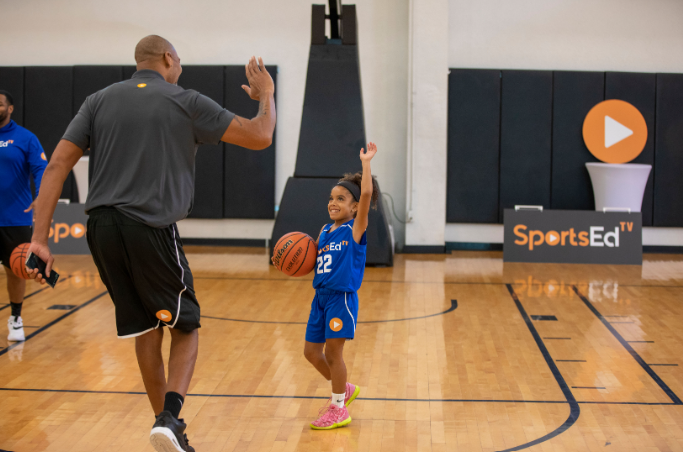
If you cheer with joy, show up with snacks, laugh at the untied shoes, and treat the game like a celebration, they’ll absorb that energy. Your behavior teaches them what it means to love sport.
Research from Michigan State University’s Institute for the Study of Youth Sports found that parental enjoyment of the game strongly predicts a child’s happiness. When you model perspective by cheering good plays from both teams, thanking coaches, and celebrating effort, you teach empathy and sportsmanship more powerfully than any speech.
Be the parent who claps for everyone, who shakes hands, who laughs when it rains. The love you model becomes the foundation they carry throughout their lives.
Before You Go
Your child won’t remember every score, every goal, or every missed shot. But they will remember how you made them feel after the game.
They’ll remember the smile you gave them after a tough loss. The car rides were filled with laughter instead of lectures. The feeling that no matter what, they were enough.
And someday, when they’re adults, maybe coaching their own kids, they’ll pass that same emotional legacy on.
Because the truth is timeless:
The outcome of your child is infinitely more important than the outcome of any game they will ever play.

Final Thought
Sports are one of life’s greatest classrooms. They teach teamwork, humility, courage, and perseverance, but only if children stay in the game long enough to learn those lessons.
As parents, you hold the keys to that classroom. Protect their joy, their safety, and their sense of belonging. That’s how you raise not just athletes, but confident, kind, and happy people.
And when the final whistle blows, you’ll realize you didn’t just raise a player. You raised someone who learned to love the game and life for all the right reasons.