Pickleball
Seeing Faster Wins Points: How Visual Training Changes Pickleball Performance
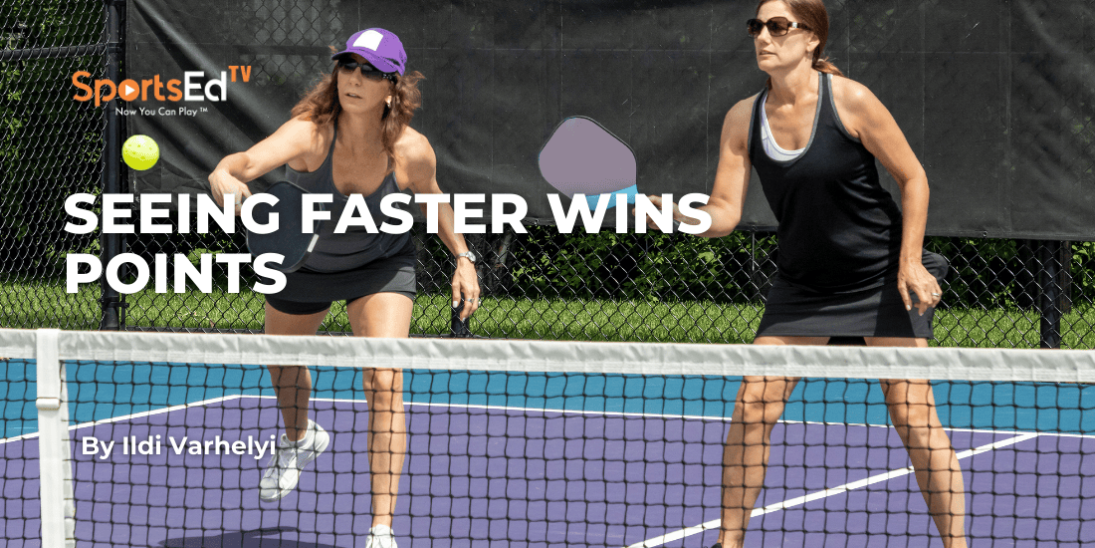
Pickleball is often labeled a “skill sport,” but at higher levels, it is more accurately a visual decision-making sport. The ball travels faster than most players realize, reaction windows are short, and success depends less on strength and more on how efficiently the brain processes visual information and converts it into movement.
Elite performance in pickleball is not determined by eyesight alone. Many players have 20/20 vision yet struggle with ball tracking, timing, depth perception, or late reactions at the net. The difference lies in the visual system, the integrated function of the eyes, brain, inner ear, and body working together under pressure.
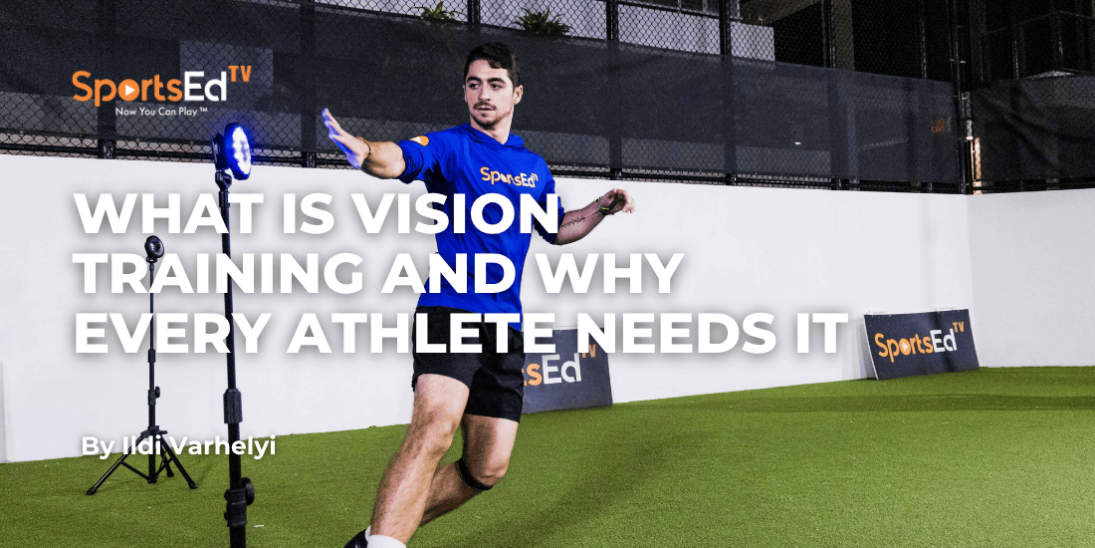
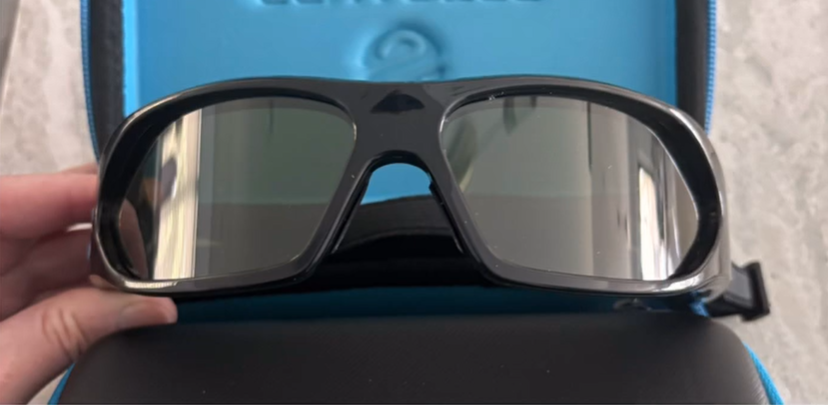
This is where Senaptec Strobe Glasses offer a powerful and scientifically grounded training tool. Importantly, these glasses are not “eye exercise” devices. They are neurovisual training tools designed to load the brain, challenge sensory integration, and improve decision-making speed by manipulating visual input.
Vision Is Not the Eyes: A Systems-Based Perspective
Vision is a brain-driven process. The eyes collect light, but interpretation, prediction, and action occur in the brain. For athletes, especially in fast-reacting sports like pickleball, vision must be:
- Fast
- Stable
- Predictive
- Integrated with balance and movement
Strobe glasses work by intermittently blocking visual input, forcing the brain to fill in the gaps. This increases neural demand, strengthens predictive processing, and improves how the brain prioritizes visual information.
When the strobe effect is removed, the game often appears slower, allowing athletes to anticipate better, position earlier, and make cleaner decisions.

Occlusion as a Precision Training Tool
One of the most underutilized features of Senaptec Strobe Glasses is selective occlusion, which blocks specific portions of the visual field or one eye at a time. When applied strategically, occlusion allows coaches and players to target specific weaknesses in the visual system rather than training vision in a generalized way.
Left and Right Eye Occlusion: Balancing the Visual System
Most athletes have a dominant eye. While dominance itself is not a problem, over-reliance on the stronger eye can create imbalances in tracking, depth perception, and coordination.
By occluding one eye - particularly the stronger or dominant eye - the brain is forced to rely more heavily on the weaker eye and its neural pathways. This strengthens binocular integration and improves how both eyes work together.
Pickleball Applications:
- Cleaner ball tracking on fast exchanges at the net
- Improved depth perception on dinks and speed-ups
- Better hand speed and eye-hand coordination during volleys
- Improved eye-foot coordination when moving laterally or forward
Players typically spend more time occluding the stronger eye to create balance, not to eliminate dominance but to improve cooperation between both eyes. This balanced visual input is foundational for peripheral awareness, reaction time, and consistent contact.
Upper Lens Occlusion: Training Lobs, Overheads, and Neck Mobility
Occluding the upper portion of the lenses removes visual input from the upper visual field. This forces the athlete to move the head and neck upward to maintain tracking rather than relying on eye movement alone.
This type of occlusion is especially valuable for improving:
- Neck mobility
- Postural control
- Long-duration tracking
Pickleball Applications:
- Tracking lobs more effectively
- Judging overheads earlier
- Maintaining balance while looking upward
- Preventing late reactions on high balls
Many players lose visual contact with the ball during lobs because they lack the neck mobility or postural awareness required for sustained upward tracking. Upper lens occlusion encourages proper head movement and keeps the visual system engaged longer.
Lower Lens Occlusion: Tracking Bounces and Balls to the Feet
Occluding the lower portion of the lenses challenges the athlete to move the head and neck downward while maintaining visual focus. This is critical in pickleball, where many points are lost during transition or when the ball is attacked at the feet.
Pickleball Applications:
- Tracking bouncing balls more accurately
- Handling low shots in the transition zone
- Improving reactions to speed-ups aimed at the feet
- Enhancing balance during forward movement
Lower lens occlusion forces better body positioning and prevents players from “guessing” the ball’s path. It improves visual commitment and reduces rushed or mistimed responses.
Strobe Training Slows the Game - By Speeding Up the Brain
One of the most powerful effects of strobe training is its impact on temporal processing. Because visual input is intermittently removed, the brain must work harder to predict where the ball will be next.
This increased neural load:
- Strengthens anticipation
- Improves reaction timing
- Enhances decision-making under pressure
When the glasses are removed, athletes often report that the ball appears slower and clearer. This perceived slowing is not visual - it is neurological. The brain is now operating more efficiently.

Injury Prevention Through Better Visual Processing
Vision plays a critical role in injury prevention. The faster the brain processes visual information, the sooner the body can position itself safely and effectively.
Improved visual processing leads to:
- Earlier foot placement
- Better balance control
- Reduced late or awkward movements
In pickleball, where quick stops, lunges, and lateral movements are common, improved visual anticipation can significantly reduce injury risk - especially for older athletes.
Not Just for Elite Players - But Game-Changing at the Top
Senaptec Strobe Glasses benefit players at all levels, but the margin they create at higher levels is especially meaningful. When two advanced players have similar skills, the one who sees the ball earlier almost always has the advantage.
Faster visual processing means:
- Earlier paddle preparation
- Cleaner contact
- Better shot selection
In high-level play, this difference is often the difference between winning and losing. Senaptec Strobe Glasses are not eye training tools. They are brain-body integration tools that challenge the entire visual system under realistic demands.
Through strategic occlusion - left/right, upper, and lower - players can train specific visual weaknesses, improve decision-making speed, and develop a more resilient, adaptable visual system.
In pickleball, seeing the ball sooner doesn’t just improve performance -it changes how the game feels. And at every level, that matters.
A Tool for Every Sport - A Necessity for Ball Sports
While athletes across all sports can benefit from strobe-based visual training, ball-sport athletes stand to gain the most. Sports that require continuous tracking of a fast-moving object, such as pickleball, tennis, baseball, basketball, soccer, hockey, and golf, place extraordinary demands on the visual system. In these environments, performance is limited not by strength or conditioning, but by how quickly and accurately the brain can process visual information and turn it into movement.
Strobe glasses increase neural load by intermittently removing visual input, forcing the brain to work harder to predict, organize, and respond. When the glasses are removed, athletes consistently report that the game feels slower, movement feels more controlled, and anticipation improves. This ability to see the ball earlier, organize the body sooner, and make decisions under pressure is what separates good players from great ones.
For athletes aiming to reach the top 1%, visual processing speed, reaction time, and decision-making efficiency are no longer optional - they are essential. Strobe-based visual training is not just an enhancement tool; for serious ball-sport athletes, it has become a must-have component of modern performance development.