The plank is one of the simplest and most effective exercises for building core strength, improving muscular endurance, and supporting overall athletic performance.
Building up your core strength is essential to improving your body's overall strength and endurance while decreasing the risk of lower back injuries.

The plank is one of the simplest and most effective exercises for building core strength, improving muscular endurance, and supporting overall athletic performance.
Building up your core strength is essential to improving your body's overall strength and endurance while decreasing the risk of lower back injuries.
Performing the planking exercise is a great way to improve your core muscular strength and endurance. In a plank, you will predominantly be using the transverse abdominis and rectus abdominis muscles of the abdominal wall. In addition, the exercise engages the shoulders, back, glutes, and other stabilizing muscles that help maintain proper posture and body alignment.

How to Perform a Front Plank
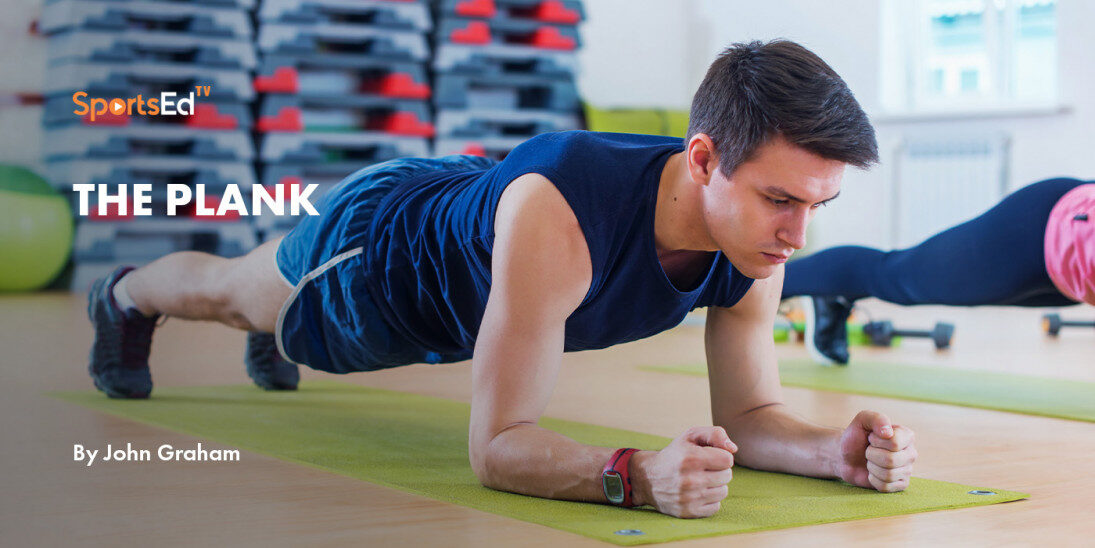
When performing a plank exercise, push up on your toes and elbows for 20 to 60 seconds, keeping your body in a nice straight alignment. By performing the front plank, you are working your rectus abdominis and transverse abdominis, muscles located in the front part of the body.
To get the most benefit from the exercise:
- Keep your elbows directly under your shoulders.
- Tighten your abdominal muscles and glutes.
- Maintain a straight line from your head to your heels.
- Breathe normally throughout the hold.
- Avoid letting your hips sag or rise too high.
As your strength improves, gradually increase the duration of the hold.
How to Perform a Side Plank
When performing the side plank, lie on your right side, pushing up on your elbow and the side of your right foot into a nice straight body alignment. Hold for between 20 and 60 seconds before repeating on the left side.
When performing the side plank, we are working the external and internal obliques, which play an important role in rotational movements, balance, and stability.
Benefits of the Plank
Regular plank training can help:
- Improve core strength and stability
- Enhance posture and balance
- Support better movement efficiency in sports
- Reduce the risk of lower back injuries
- Improve overall muscular endurance
- Create a stronger foundation for athletic performance
Whether you are an athlete, fitness enthusiast, or simply looking to improve your overall health, the plank is an exercise worth incorporating into your routine.
Frequently Asked Questions
How long should I hold a plank?
Beginners can start with 15 to 20 seconds and gradually work up to 60 seconds. Quality is more important than duration. Maintaining proper body alignment is far more beneficial than holding the position for longer with poor form.
Is a plank better than sit-ups?
For many people, planks are a safer and more functional exercise because they strengthen multiple core muscles while placing less stress on the spine. They also help improve stability and posture, which are important for both everyday activities and sports performance.
Should I do planks every day?
Planks can be performed daily as part of a balanced fitness program, provided proper technique is maintained, and you are not experiencing pain or excessive muscle fatigue.
How many sets of planks should I do?
Two to four sets of 20 to 60 seconds is a good starting point for most individuals. As your fitness improves, you can increase the duration or incorporate more challenging plank variations.
Do planks help reduce belly fat?
Planks strengthen the abdominal muscles, but reducing body fat requires a combination of proper nutrition, regular physical activity, strength training, and cardiovascular exercise. Planks are an excellent part of a comprehensive fitness plan, but are not a standalone solution for fat loss.

Final Thoughts
The plank remains one of the most effective bodyweight exercises available. With no equipment required and endless opportunities for progression, it is an excellent addition to any fitness program. Consistent practice can help build a stronger core, improve stability, and support better movement both in sports and everyday life.
About the Author
John Graham is a Senior Network Administrator in Network Development at St. Luke's University Health Network and advocates simple, effective fitness strategies that help people improve strength, endurance, and overall wellness through practical exercise habits.