Tennis
The Modern Tennis Club: An Endangered Species?
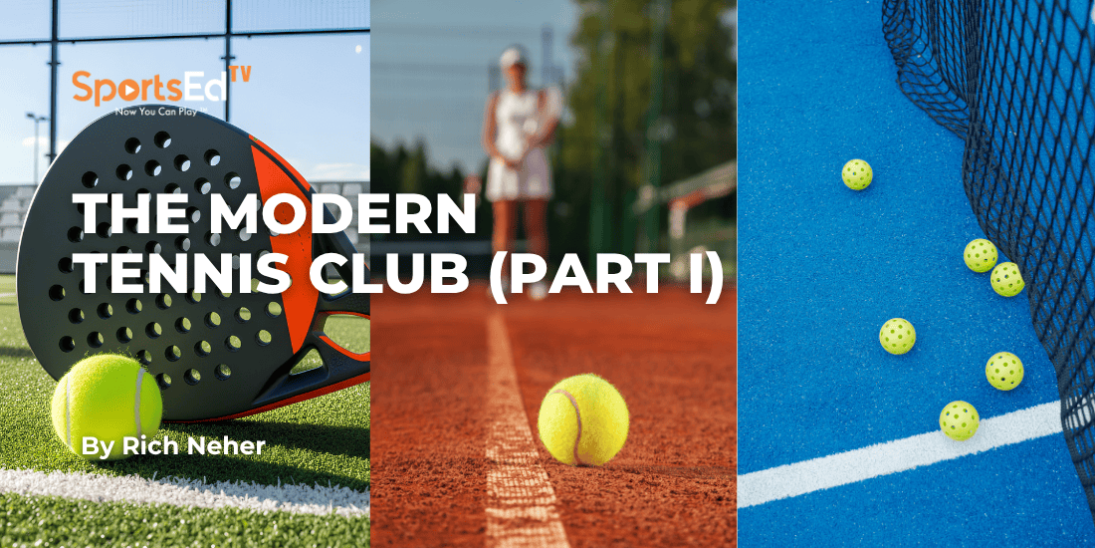
The traditional tennis club is under siege, caught in a crossfire of shifting economics and social trends. Having observed the racquet sports industry for over 10 years as the publisher of curated opinions, I conclude that three primary stressors currently threaten the survival of American tennis clubs:
Real estate opportunism, retention volatility, and the pickleball pivot.
Skyrocketing land values in many tennis-friendly states, such as California and Texas, are making “selling out” far more lucrative than staying open. At the same time, a modern membership base is increasingly price-sensitive, less loyal, and ready to churn at a moment’s notice. Finally, pickleball has emerged as a high-energy, low-barrier competitor, effectively siphoning away the social capital and court space once reserved for tennis.

The 3 Critical Strategies Tennis Clubs Must Adopt to Survive and Grow
To navigate rising operational costs, land scarcity, and shifting player demographics, modern racquet clubs must pivot from traditional management to a more agile, value-driven model.
These three focal points represent a strategic response to these challenges, designed to transform potential threats into a sustainable competitive advantage.
1. High-Tech Tennis Club Management Systems to Improve Efficiency and Reduce Costs
2. Multi-Sport Club Models Integrating Pickleball and Padel for Revenue Growth
3. Experience-Driven Membership Models to Increase Retention and Lifetime Value
By integrating technology, embracing multi-sport synergy, and prioritizing a premium lifestyle experience, clubs can ensure their long-term viability in an increasingly crowded market.
High-Tech Tennis Club Management: How Technology Improves Operations and Member Experience
Many endangered clubs are still running on 1990s tech. Survival requires moving beyond “clipboard, landline, spreadsheet” management.
Moving into the digital age is no longer optional for the “endangered” club; it is a prerequisite for survival.
For many clubs, the “endangered” label comes from operational friction. If booking a court feels like a chore, modern members will simply go elsewhere. Survival requires transitioning from legacy systems to a frictionless, tech-forward environment.
Frictionless Court Booking Apps and Digital Member Experiences
The landline and the paper logbook are relics. Thriving clubs use integrated mobile apps that allow members to book courts, join clinics, or find hitting partners in three taps. By removing the “middleman,” you increase court utilization and member satisfaction simultaneously.
Smart Tennis Club Infrastructure and Automation Systems
Implementing automated gate access and remote-controlled lighting systems significantly reduces on-site staffing costs. These “smart” courts allow for extended hours and self-service play, turning the facility into a high-efficiency utility.
AI and Smart Camera Technology for Tennis Training and Performance Tracking
Technology can be the ultimate value-add. Installing smart cameras for match recording or AI-driven swing analysis transforms a standard hitting session into a professional training experience. It moves the club from providing “space” to providing “improvement.”
Main Goal
To eliminate the administrative hurdles of club membership and create a seamless user experience that matches the digital standards of the modern world.
Sustainable Tennis and Padel Solutions: Renewaball and Recycleball
Sustainability is also a major tech trend in the racquet world. Clubs are increasingly adopting circular economy solutions, such as Renewaball, the world’s first circular padel and tennis ball. Similarly, many clubs use Recycleball to recycle their used tennis balls.
Not only does this lower the club’s environmental footprint, but it also signals to members that the club is forward-thinking and socially responsible.
Top Tennis Club Management Platforms
CourtReserve is the U.S. market leader in club management platforms. From booking courts to program management, invoicing to leagues and ladders, and POS, CourtReserve offers the complete package. One interesting feature is Access Control Integration, along with regular webinars and user conferences such as the COURTRESERVE CATALYST TOUR.
Other vendors offering strong solutions include PlayByPoint, an all-in-one club management platform that transforms racquet sports clubs into profitable, player-obsessed businesses, and Playtomic Manager, built to help you grow your club.
Many companies offer performance tracking using smart cameras, but PlaySight Smartcourt AI Technology stands out as a pioneer in that space.
Multi-Sport Racquet Club Strategy: How Pickleball and Padel Drive Revenue Growth
Pickleball doesn’t have to be the enemy; it can be the subsidizer.
The most resilient clubs are moving away from being “tennis-only” facilities and reinventing themselves as multi-sport hubs. This is not just about following trends. It is about maximizing revenue per square foot.
The Pickleball Pivot: Maximizing Court Space and Social Engagement
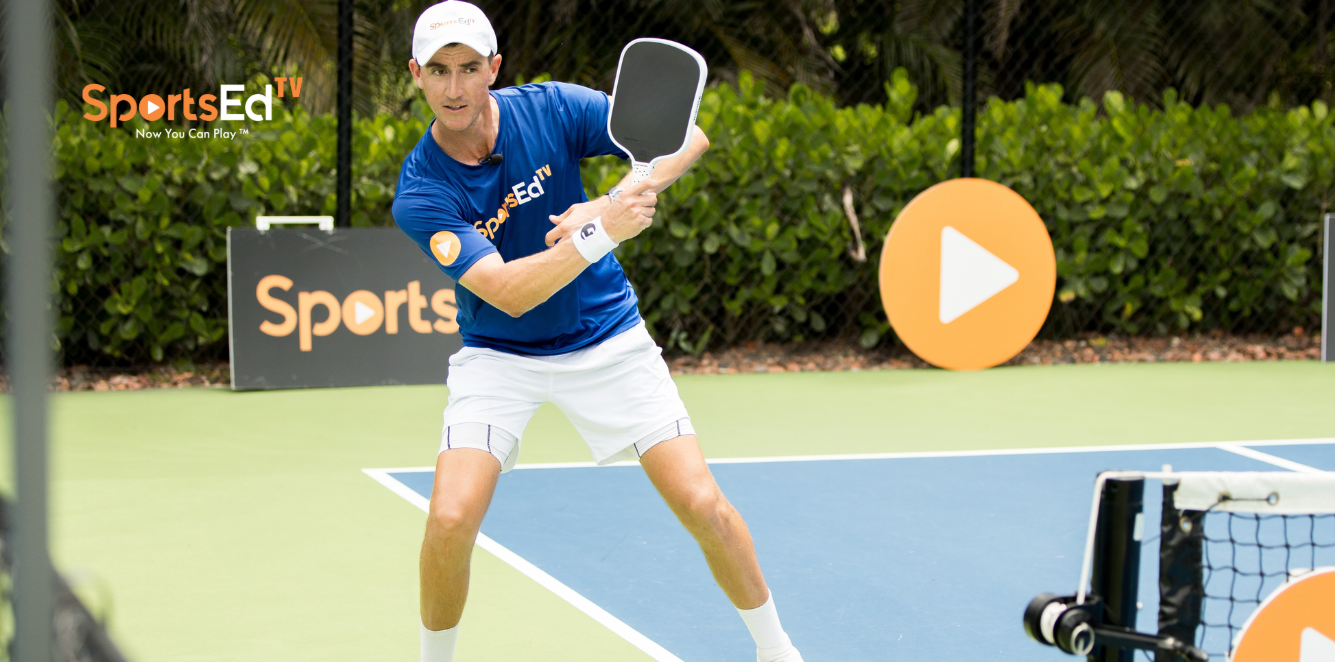
Instead of resisting the surge, smart clubs are integrating pickleball to subsidize the high maintenance costs of tennis courts. Four pickleball courts can fit into the footprint of one tennis court, significantly increasing guest fees and social engagement.
Padel Growth Strategy: Attracting Premium Members and Expanding Club Revenue
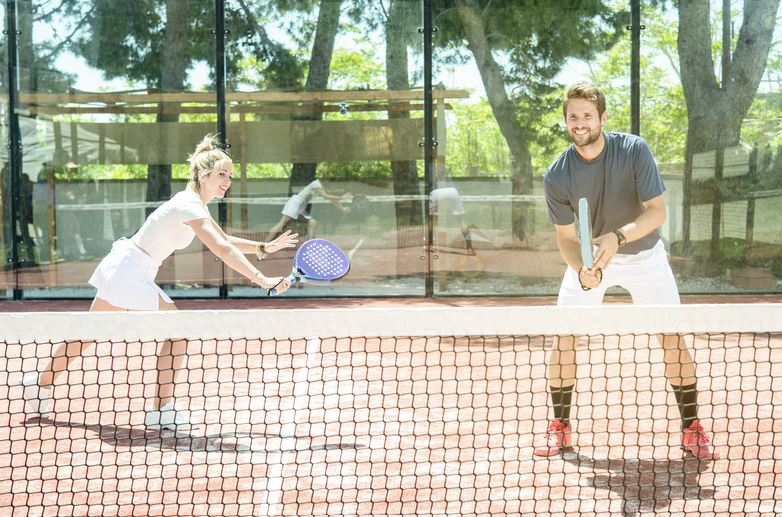
For clubs looking to maintain a luxury edge, padel is the ultimate survival tool. It attracts a high-spending demographic and offers a social, fast-paced game that bridges the gap between tennis intensity and pickleball accessibility.
Curated Equipment and Premium Club Positioning
Survival in the modern era requires looking the part. This means moving beyond basic gear and offering members access to exclusive, performance-driven brands. Stocking high-end rackets and precision-engineered gear helps position the club as a curator of the sport rather than just a landlord of courts.
Main Goal
To create a diverse racquet ecosystem where a member might come for a tennis lesson but stay for a padel match and a social experience, ensuring the club remains the center of their recreational life.
Cross-Sport Clinics Strategy to Retain Tennis Players and Attract New Members
High-end clubs are finding success by offering cross-sport clinics where tennis players can learn padel or pickleball in a low-pressure, social environment. By positioning these new sports as a skill expansion rather than a replacement, clubs retain tennis purists while capturing new demand.

Experience-Led Tennis Club Membership: How to Build a Sticky, High-Value Community
Clubs that sell access to a court are dying. Clubs that sell access to a community are thriving.
For a club to survive, it must stop being a commodity and start being a destination. If the value proposition is strictly “access to a court,” the club is competing on price.
The Third Place Concept in Tennis and Racquet Sports Clubs
Survival in the modern era requires a pivot toward the “Third Place” philosophy, a space between home and work that defines a member’s social identity.
Off-Court Investments That Increase Retention and Member Engagement
Successful clubs are reinvesting in off-court infrastructure. This includes high-end locker rooms, coworking lounges for remote professionals, and curated food-and-beverage programs. The goal is to increase dwell time; the longer a member stays, the more indispensable the club becomes.
Pro Shop Strategy: From Storage Space to Premium Retail Experience
A professional atmosphere is maintained through attention to detail. This extends to the pro shop, which should act as a high-end boutique rather than a storage closet.

Community Programming That Reduces Member Churn
Programming must go beyond standard round-robins. Thriving clubs host exhibition nights, professional clinics, and social mixers that connect different racquet disciplines and build deeper relationships.
Main Goal
To transform the facility from a sports venue into a lifestyle anchor where community and culture are just as important as the scoreboard.
Smart Onboarding Strategy to Improve Tennis Club Retention
Strategic onboarding is the foundation of long-term retention in any racquet sports facility. By identifying a member’s primary goals early, whether competitive play, fitness, or social networking, clubs can provide immediate, relevant value.
The key principle is clear: if a member’s primary objective is not met within the first 45 days, the risk of churn increases by 60%.
Conclusion: The Future of Tennis Clubs in a Multi-Sport, Experience-Driven World
The “endangered” status of the traditional tennis club is not a death sentence; it is an evolution.
The clubs that disappear will be those that cling to a static, single-sport identity while the world moves toward dynamic, social, and tech-integrated recreation.
The clubs that survive will be those that view their facilities not just as tennis courts, but as a platform for modern lifestyle, community, and performance.
By embracing the hybrid ecosystem, investing in frictionless technology, and prioritizing experience-led membership, owners can transform a declining asset into a thriving community anchor.
The game is changing. The only question is whether your club is ready to play.
Next Article: Land Scarcity as a Financial Opportunity for Tennis Club Owners
In the next article, the focus will shift to one of the most critical threats facing club owners today: land scarcity and how it can become a financial opportunity rather than a sell-out decision.