Dinking in Pickleball - Fix these 3 common mistakes
Updated: 2024-03-06
Original: 2023-01-10
5/5 Average rating
Please sign in to rate this blog.
Unlock this content...
Create your free SportsEdTV account to continue reading or viewing.
Free forever. No credit card required.
As a member, you'll also get:
• 4,000+ expert videos and articles
• Coaching tips from world-class experts
• Coverage of 40+ sports
• Favorite content lists
Become a member today!
To use this function, you must be a full member. Membership options:
Free - newsletter, all video & blog access
Yearly - full access & member features
US$179 - may be lower outside US
Lifetime - same as yearly, but forever
US$350 - may be lower outside US
You may also use a promo code for payment
MYSportsEdTV is a community where athletes, coaches and parents connect and share their sport passion. We don’t sell our member data or send spam. Members will receive our FREE email newsletter to alert you about new video and blog content for the sports you follow.
To use this function, you must be a paid member. Membership options:
Free - newsletter, all video & blog access
Yearly - full access & member features
US$179 - may be lower outside US
Lifetime - same as yearly, but forever
US$350 - may be lower outside US
You may also use a promo code for payment
MYSportsEdTV is a community where athletes, coaches and parents connect and share their sport passion. We don’t sell our member data or send spam. Members will receive our FREE email newsletter to alert you about new video and blog content for the sports you follow.
Matt Slowinski with The Pickleball Clinic discusses the top three dinking mistakes that can negatively impact your game. These errors are commonly made by beginner and intermediate-level players but are typically corrected by advanced players to ensure consistent shots.
What is a Dink in Pickleball
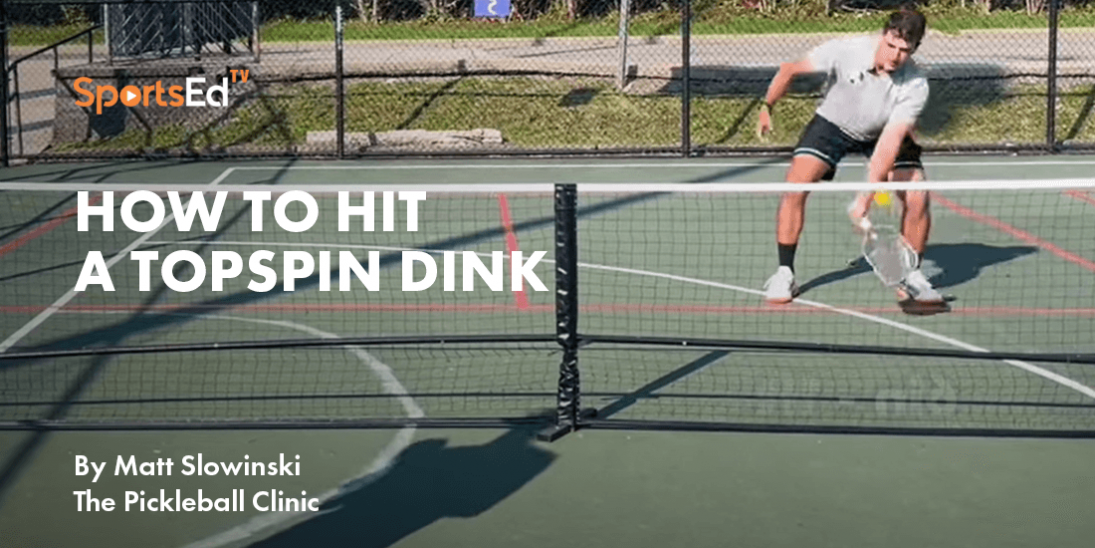
A dink shot in pickleball is a type of shot that is used to control the pace of the game and to gain an advantage over the opponent. The shot is executed close to the net, usually with a soft touch and with the aim of landing the ball just over the net or within reach of the opponent. A successful dink shot can put the opponent on the defensive and open up opportunities for more aggressive shots. It's often used to drop the ball in front of the opponent, making it more difficult for them to make a clean return or to disrupt their rhythm. A good dink shot requires precise ball placement and control, making it a key skill for advanced players to master.
Matt Slowinski with The Pickleball Clinic discusses the top three dinking mistakes that can negatively impact your game. These errors are commonly made by beginner and intermediate-level players but are typically corrected by advanced players to ensure consistent shots.
What is a Dink in Pickleball
A dink shot in pickleball is a type of shot that is used to control the pace of the game and to gain an advantage over the opponent. The shot is executed close to the net, usually with a soft touch and with the aim of landing the ball just over the net or within reach of the opponent. A successful dink shot can put the opponent on the defensive and open up opportunities for more aggressive shots. It's often used to drop the ball in front of the opponent, making it more difficult for them to make a clean return or to disrupt their rhythm. A good dink shot requires precise ball placement and control, making it a key skill for advanced players to master.
What are the three main errors made by beginners and intermediate players when dinking?
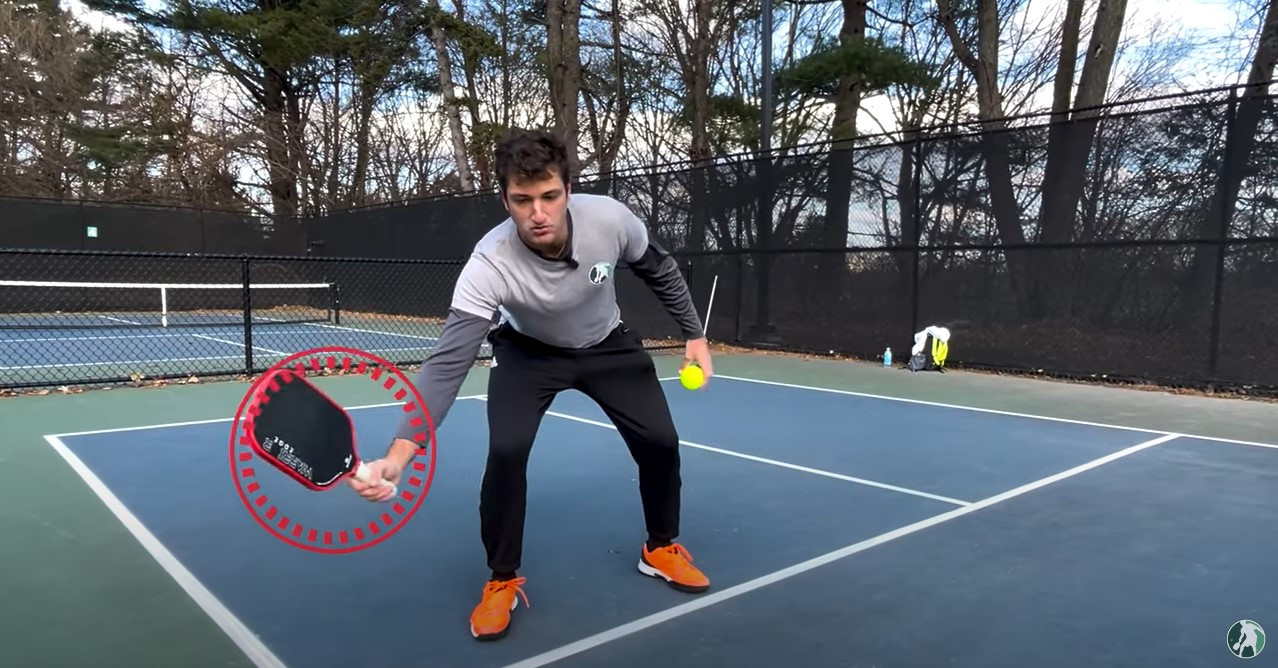
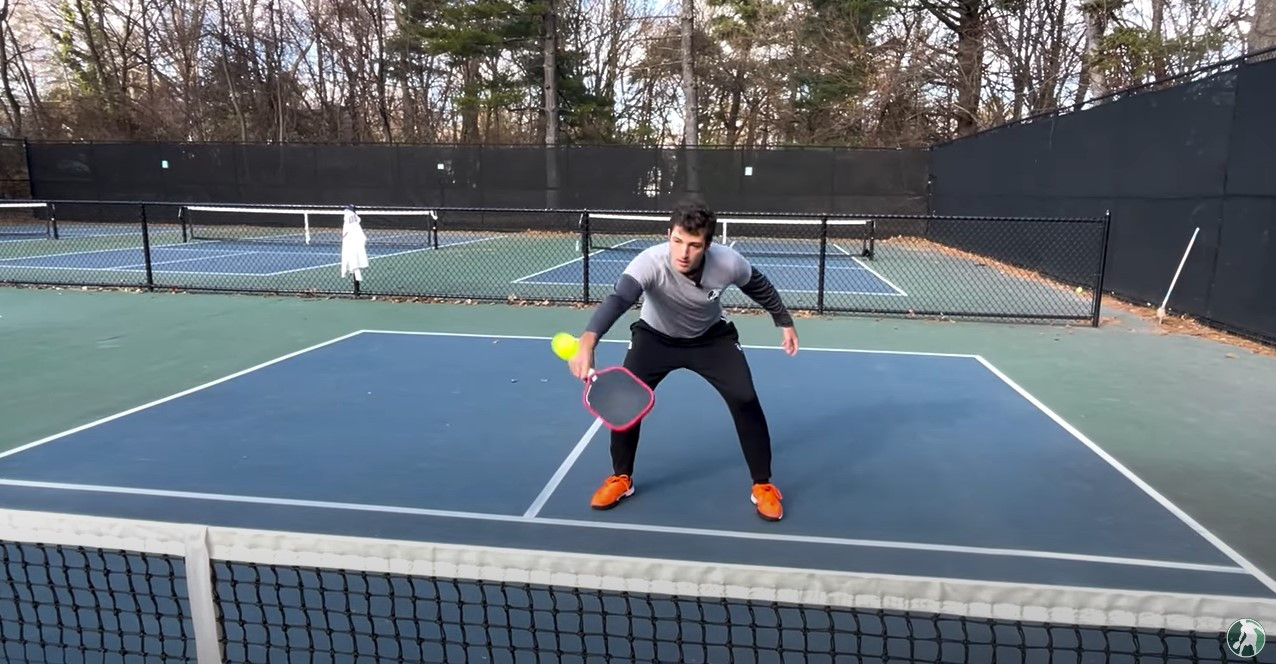
Using your wrist: Many beginners tend to flick their wrists as they hit, which causes the paddle to accelerate just before contact. This can lead to a loss of control of the ball and result in it popping up, giving your opponent an easy opportunity to attack. To avoid this, keep your wrist still and firm as you swing, and initiate the swing only with your shoulders. This applies to both forehand and backhand shots.
Using your elbows:
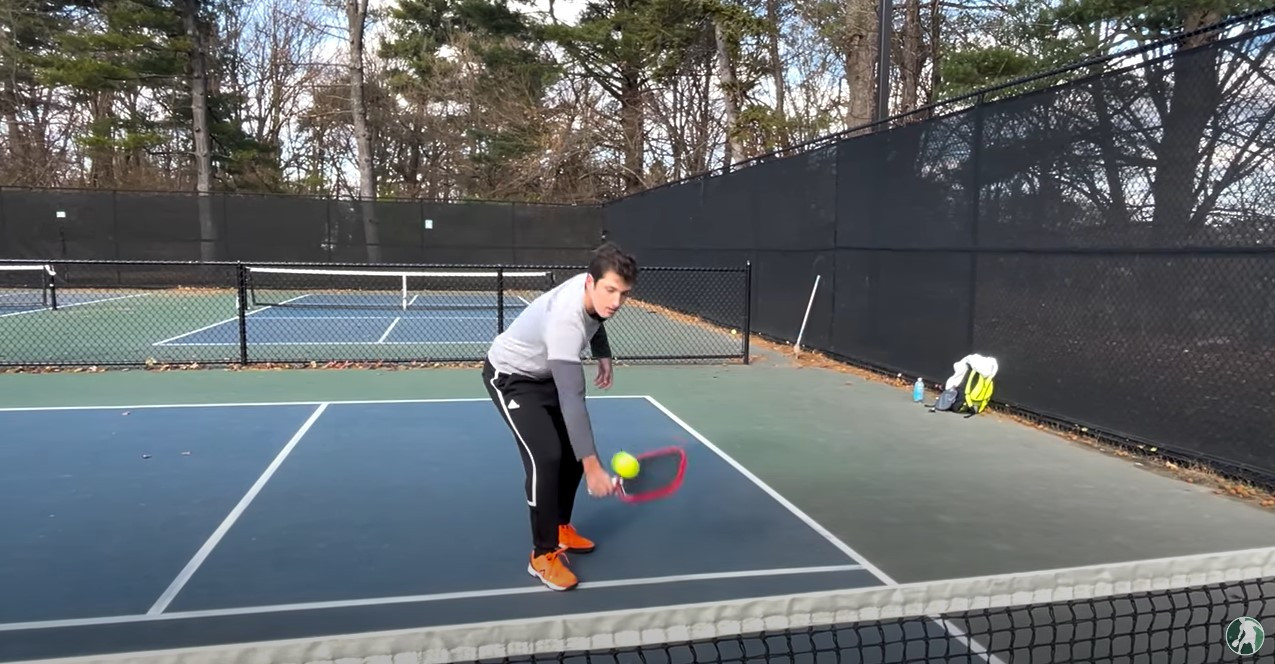
This error is more prevalent on the backhand side but can also occur on the forehand. When players use their elbows to swing, they often chop at the ball, resulting in fast acceleration up to the ball and a short stop after contact. This motion is difficult to control and adds extra moving parts. To avoid this, swing with your shoulder, coming under the ball and lifting it. Keep your elbow straight throughout the entire shot and in a relatively consistent position throughout the swing.
Backing up too far to hit your shot: Especially for beginners, players tend to back up when the ball is going to land beyond the kitchen line. However, if the ball is going to land beyond the kitchen line, it is best to stay on that line and hit the shot out of the air, to get low. This will prevent the ball from bouncing and will give your opponent less room to hit the ball in your feet. Additionally, hitting the ball out of the air will allow you to add less power to your shot, reducing the risk of popping the ball up.
By mastering these strategies and avoiding these mistakes, your dinks will improve immensely. This is key to raising your game, particularly if you're looking to go from a 3.0 to 3.5 or 4.0 level, as higher-level players do not make these errors.