Media
What Most Sponsorship Pitches Get Wrong
During my 19 years at Emirates, I received thousands of sponsorship proposals. Most of them missed the mark.
Not because the properties weren't valuable - many were premier assets with massive audiences. They failed because the people pitching them didn't understand how brands actually make decisions. They led with reach when we needed relevance. They sold impressions when we were looking to buy integration. They talked about their audience when they should have been talking about ours.
Now that I'm on the advisory side, I see the same patterns playing out. Rights holders pitch features. Brands buy outcomes. That gap costs both sides money.
Here's what I learned from two decades of saying yes - and no - to sponsorship deals worth billions over several years.
Fans see through forced partnerships
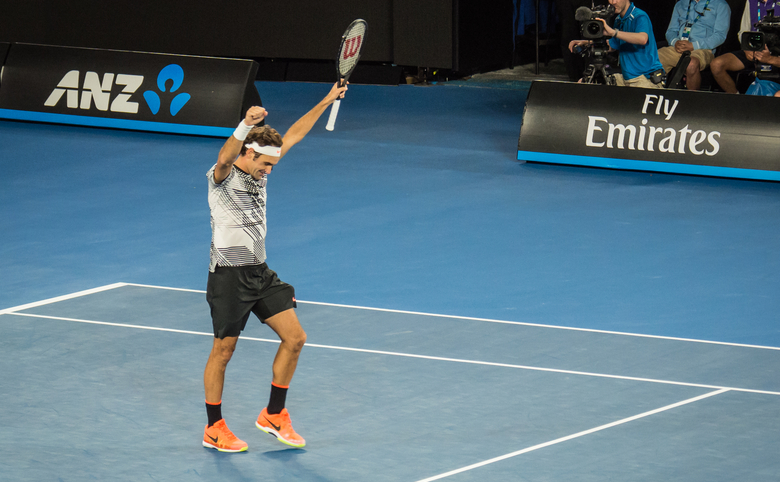
Today's audiences are media-savvy and skeptical. They can spot inauthentic sponsorship immediately - and they punish it by tuning out. When I evaluated proposals at Emirates, the first question wasn't "how many eyeballs?" It was "Does this make sense for our brand in a way fans will respect?"
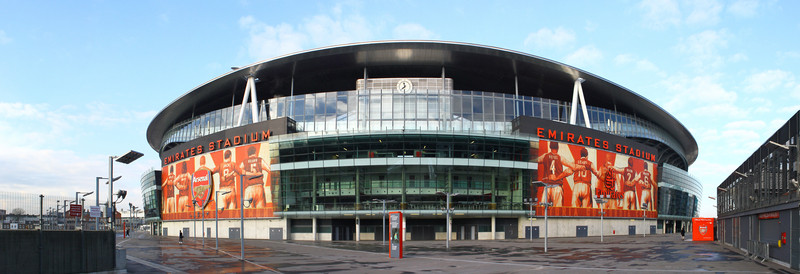
The deals that worked – FIFA, Arsenal, The Ryder Cup, the DP World Tour - worked because fans understood why we were there, because we flew them there. Aviation and global sport. Premium experience and premium travel. The connection was intuitive, not forced.
Rights holders who lead with audience size are fighting the wrong battle. Lead with fit. Explain why your property makes sense for that specific brand. The ones who did that got my attention.
Participation beats observation
The smartest sponsors have figured out that fans don't want to watch brands - they want to interact with them. Chipotle's work with the esports community is a good example. Their "Challenger Series" integrates directly into the Fighting Game Community through tournaments, in-game rewards, and event sponsorships at EVO. Players get digital gear and free food. Audiences get exclusive content. The brand becomes part of the experience rather than interrupting it.
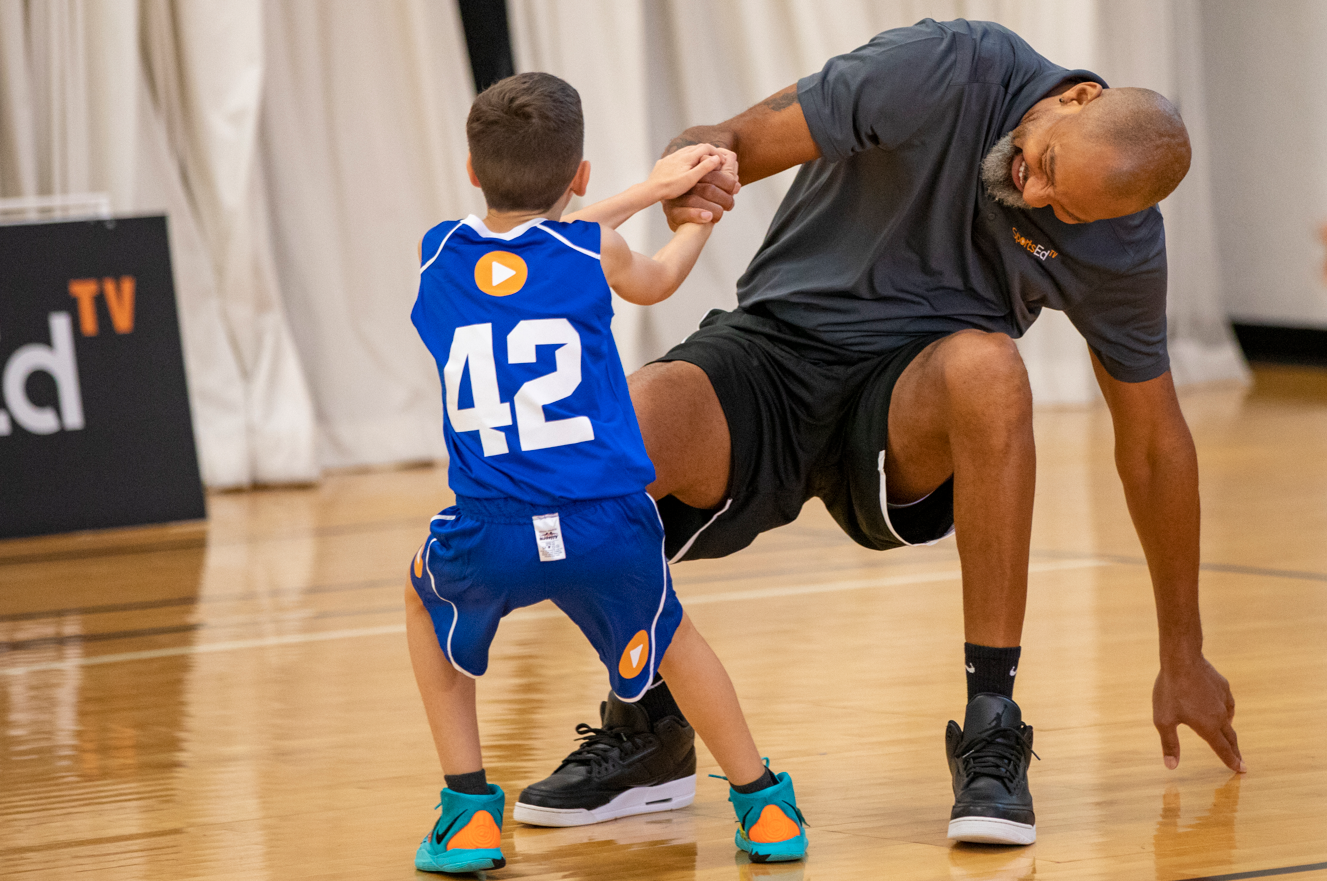
This isn't limited to digital. At live events, brands that support fan zones, amateur competitions, or youth programs connect deeper than those that just slap a logo on a billboard. The question I always asked: "Will fans engage with this, or just see it?"
False choices kill good deals
Too many proposals presented false dichotomies: traditional vs. digital, local activation vs. global reach, mass awareness vs. targeted engagement. The best partnerships don't choose, they integrate.
At Emirates, we connected live events, social media, and hospitality into unified campaigns. A single sponsorship could deliver stadium visibility, streaming content, fantasy league integration, and VIP experiences. Properties that understood this got bigger deals because they offered more value.
Rights holders pitching brands today should think holistically. Don't sell a logo placement. Sell an ecosystem of touchpoints that lets the brand show up wherever their audience already is.

The buyer's perspective matters
Most people in sports marketing come from the agency or rights-holder side. They've spent their careers selling. That's valuable experience, but it creates blind spots.
Having spent two decades as the buyer, I know what happens after the pitch leaves the room. I know which proposals get discussed at the C-suite level and which get filed away. I know what internal conversations sound like when a brand is deciding whether to renew or walk.
That perspective shapes how I advise clients now, whether they're brands evaluating opportunities or rights holders trying to close deals. Understanding both sides of the table is the difference between partnerships that launch and partnerships that last
Roger Duthie is the founder of BearFish Sports Marketing. He spent 19 years as Global Head of Sponsorship at Emirates Airline, where he managed an annual $300M+ in sponsorship spend and built partnerships with properties including Arsenal FC, The Ryder Cup, AC Milan, and the LA Dodgers. Roger brings two decades of brand-side experience to help clients on both sides of the table secure sponsorship deals that deliver.

Related Posts