For quite some time, the fitness population has come to believe that one-on-one training is the optimal situation. After all, doesn’t the term "personal trainer" allude to solo training? This approach became the norm in fitness, and it didn’t take long for it to bleed into weightlifting training in gyms. Trainers who began distance coaching soon realized they could charge more for individual programming, as the thought of individualization appealed as a form of exclusivity.
However, my experience as a weightlifting coach for over 50 years reinforces that the most effective training takes place in a group setting. Here's why group coaching not only enhances performance but also builds a lasting culture among athletes.

The Myth of One-on-One Training in Weightlifting
Individualized Coaching vs. Group Dynamics
The idea that individualized coaching is the best option often overlooks the value of a group setting. Yes, individualization can be effective, but it’s not the only way to improve performance in weightlifting. At the same time, personal training may be perceived as the most exclusive, but group training offers unique advantages that can’t be achieved in a solo setting.
The Shift Toward Personalization and Distance Coaching
Trainers started focusing on individualized training, especially with the rise of distance coaching, where clients pay more for personalized plans. The rise of this method led many to believe that only individualized approaches were effective. But in reality, the culture of group training fosters an environment for growth that can't be matched in isolation.
For quite some time, the fitness population has come to believe that one-on-one training is the optimal situation. After all, doesn’t the term "personal trainer" allude to solo training? This approach became the norm in fitness, and it didn’t take long for it to bleed into weightlifting training in gyms. Trainers who began distance coaching soon realized they could charge more for individual programming, as the thought of individualization appealed as a form of exclusivity.
However, my experience as a weightlifting coach for over 50 years reinforces that the most effective training takes place in a group setting. Here's why group coaching not only enhances performance but also builds a lasting culture among athletes.
The Myth of One-on-One Training in Weightlifting
Individualized Coaching vs. Group Dynamics
The idea that individualized coaching is the best option often overlooks the value of a group setting. Yes, individualization can be effective, but it’s not the only way to improve performance in weightlifting. At the same time, personal training may be perceived as the most exclusive, but group training offers unique advantages that can’t be achieved in a solo setting.
The Shift Toward Personalization and Distance Coaching
Trainers started focusing on individualized training, especially with the rise of distance coaching, where clients pay more for personalized plans. The rise of this method led many to believe that only individualized approaches were effective. But in reality, the culture of group training fosters an environment for growth that can't be matched in isolation.
The Power of Group Training in Weightlifting
Common Goals in Weightlifting: Improving Performance and Minimizing Injuries
The goals of weightlifters are often aligned, whether they're seasoned athletes or beginners. The common goals usually include:
-
Improving the two-lift total (Snatch and Clean & Jerk)
-
Minimizing injuries and their effects
-
Achieving progress as time-effectively as possible
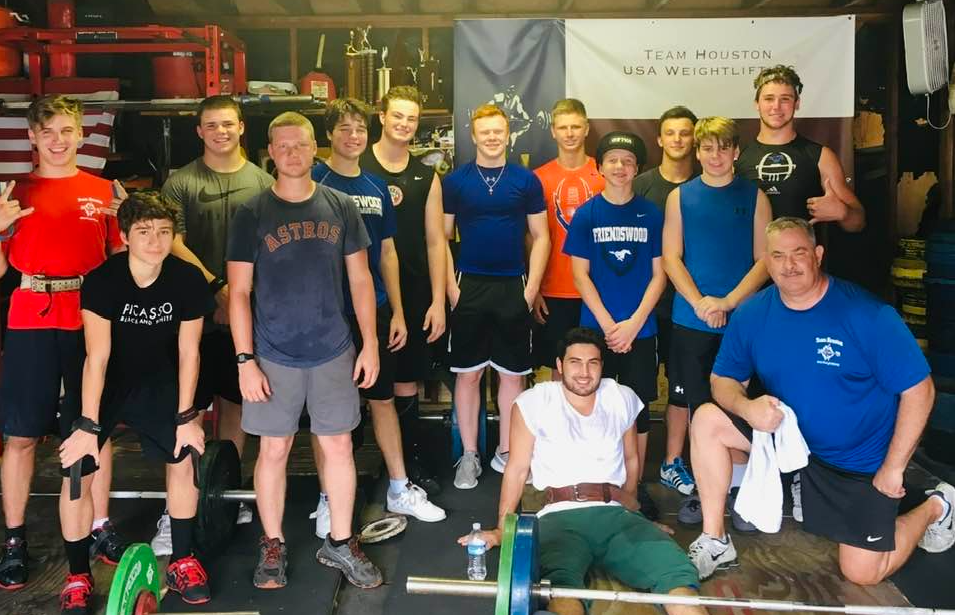
When you get a group of athletes with common goals, a culture of progress naturally develops. This synergy fuels improvement, making it more achievable to achieve those goals.
Building a Strong Training Culture
A group setting inherently creates camaraderie, which helps athletes stay motivated and focused on their training. The culture that forms in a group becomes an invaluable asset, pushing everyone toward better performance and teamwork.
Individualization in the Early Stages of Training
The Importance of Adapting Training to Each Athlete’s Background
In the early stages of weightlifting, individualized coaching is vital. Athletes come with unique bodies adapted to their previous physical activities—one may be a swimmer, another a gymnast, or maybe a baseball player. The job of the coach at this stage is to remodel the athlete’s body, focusing primarily on mastering technique through individualized exercise selection.
Focus on Mastering Technique through Exercise Selection
This early stage is where the most individualization happens. Each athlete’s workout plan is tailored to their previous experience and physical capabilities. Once athletes are proficient in technique, group training becomes more effective for continued growth.
Why Group Training is More Effective for Advanced Lifters
Progress through Shared Experience and Motivation
As athletes gain proficiency in their techniques, group training offers them the best opportunity to progress. Training with others who share similar goals motivates them to push harder, work smarter, and stay focused. The collective drive often leads to greater results than training alone.
Reducing Missed Workouts through Accountability
When athletes train together, they are less likely to skip workouts. They know their teammates will talk about them if they don't show up. This built-in accountability fosters consistency and enhances training performance, which is critical for progress.
Camaraderie and the Role of Social Support in Weightlifting
The “Pain Bonding” Experience
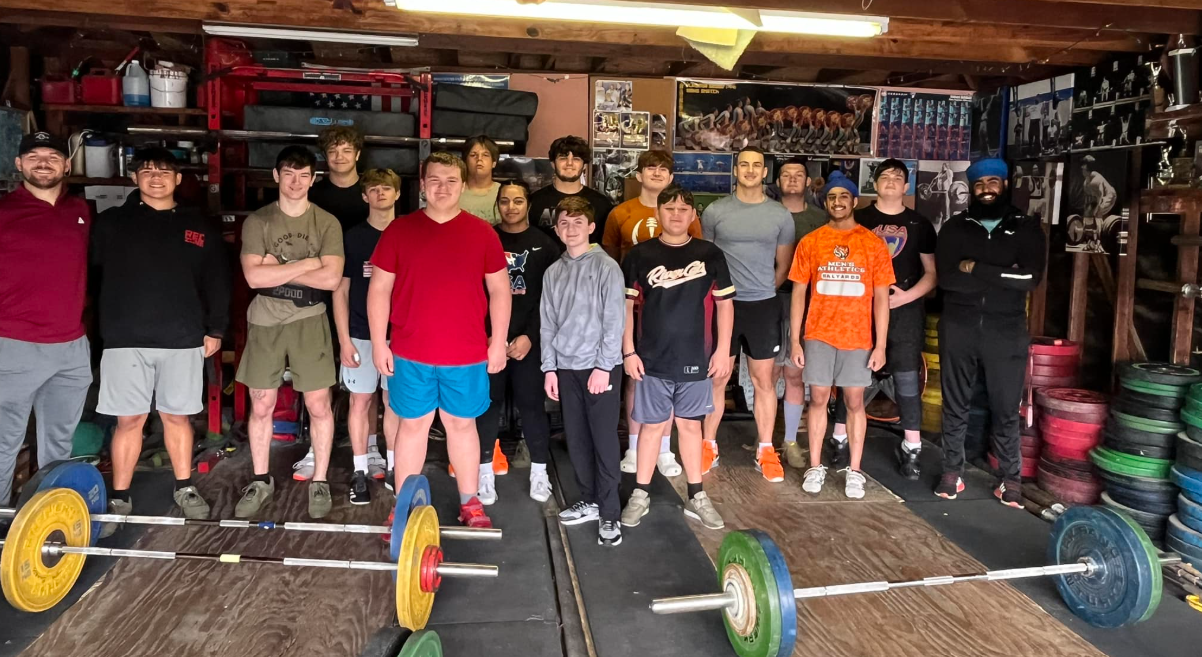
Training in a group fosters a unique camaraderie. My best group of athletes considered their training to be "pain bonding," a way of enduring the rigors of my demanding programs together. This shared experience created a deeper connection among teammates, enhancing the training environment and motivating each person to give their best.
Shared Knowledge and Tips Beyond the Training Program
Group training also offers the chance for valuable information exchange. Athletes often share tips about how to tape a torn callus or where to find the best post-workout buffets. These small yet significant interactions enhance the overall experience, fostering an environment where athletes look out for each other both in and out of the gym.

The Role of the Coach in a Group Setting
Key Responsibilities: Session Oversight and Technique Corrections
As a coach in a group setting, my primary duties are focused on keeping the session moving, ensuring athletes remain engaged, and making necessary adjustments to their technique. I also focus on emphasizing corrections for weaknesses in individual athletes, such as grip width or stance issues.
Maintaining a Focused and Productive Training Atmosphere
A workmanlike atmosphere is essential in group training. Coaches must ensure that everyone stays focused on their work while maintaining a vision of the upcoming competition. Writing programming, overseeing progress, and making minor adjustments are crucial components of successful group coaching.
Challenges in Modern Weightlifting Coaching
The Decline of Gym Culture in the Age of Distance Coaching
With the rise of distance coaching, solitary training, and noisy gyms where coaching cues can't be heard, the culture of weightlifting gyms has been diminishing. We’re losing essential aspects of weightlifting culture, which are crucial for the development of champion athletes.
Why Weightlifting Programs Need to Embrace Group Dynamics
The group dynamic plays a pivotal role in fostering an environment of motivation, competition, and camaraderie. Without a culture of teamwork and shared experience, weightlifting programs will miss out on key aspects that contribute to long-term success.
The Benefits of Group Coaching in Weightlifting
Fostering Community and Long-Term Success
Group training not only helps weightlifters achieve their personal goals but also creates a sense of community and belonging. The bonds formed in group settings can lead to sustained success both in the gym and in life.
The Future of Weightlifting Coaching in a Group Environment
As the weightlifting community continues to evolve, embracing the benefits of group training will be essential for building stronger, more successful athletes. It’s not just about the individual; it’s about the team, the culture, and the shared journey toward excellence.