Soccer
The Roles, Skills, and Stars of Modern Forwards in Soccer

The Impact of Elite Forwards
World-class forwards can often decide the outcome of a match on their own through their exceptional ability to score. Players in the forward line are positioned closest to the opposing goal and carry the greatest responsibility for creating and finishing chances. Their positioning allows them to directly influence attacking play and apply constant pressure on the opposition’s defense.
A forward’s responsibilities depend on their role and individual skill set. Some players excel at finishing and will be positioned closer to the goal, ready to take advantage of scoring opportunities. Players who possess good dribbling skills and pace operate in wider areas, where they can take on defenders and facilitate chance creation and scoring for teammates.
In this article, we explore the roles and expectations of different types of forwards and analyze top players in their positions who fit these profiles.

Roles and Responsibilities of Forwards
Strikers: A Fox in the Box
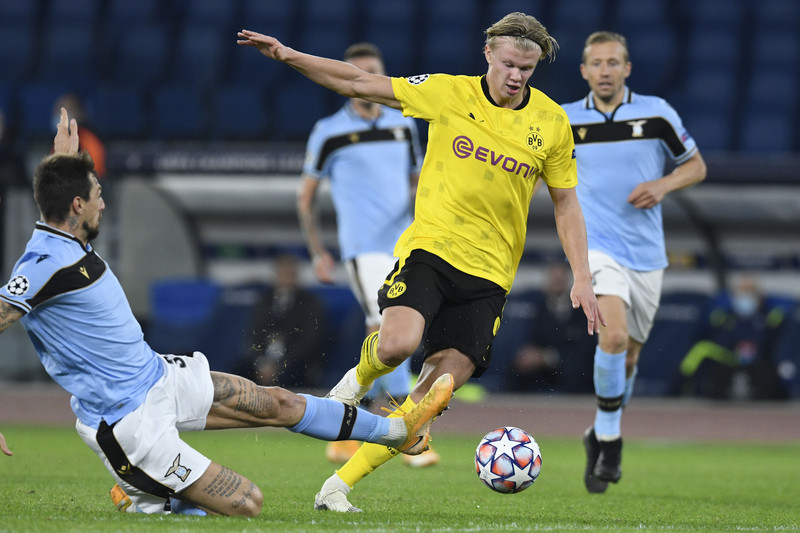
Strikers are the team’s primary goal-scorers and the most advanced players on the pitch. They are relied on to convert attacking opportunities into goals in tight spaces with little time to think. A great striker combines clinical finishing with intelligent movement, reading the game to anticipate where the ball will be and positioning themselves accordingly. They thrive on quick reactions and are expected to make the most of their goal-scoring opportunities.
False 9s: A Hybrid Striker and Playmaker
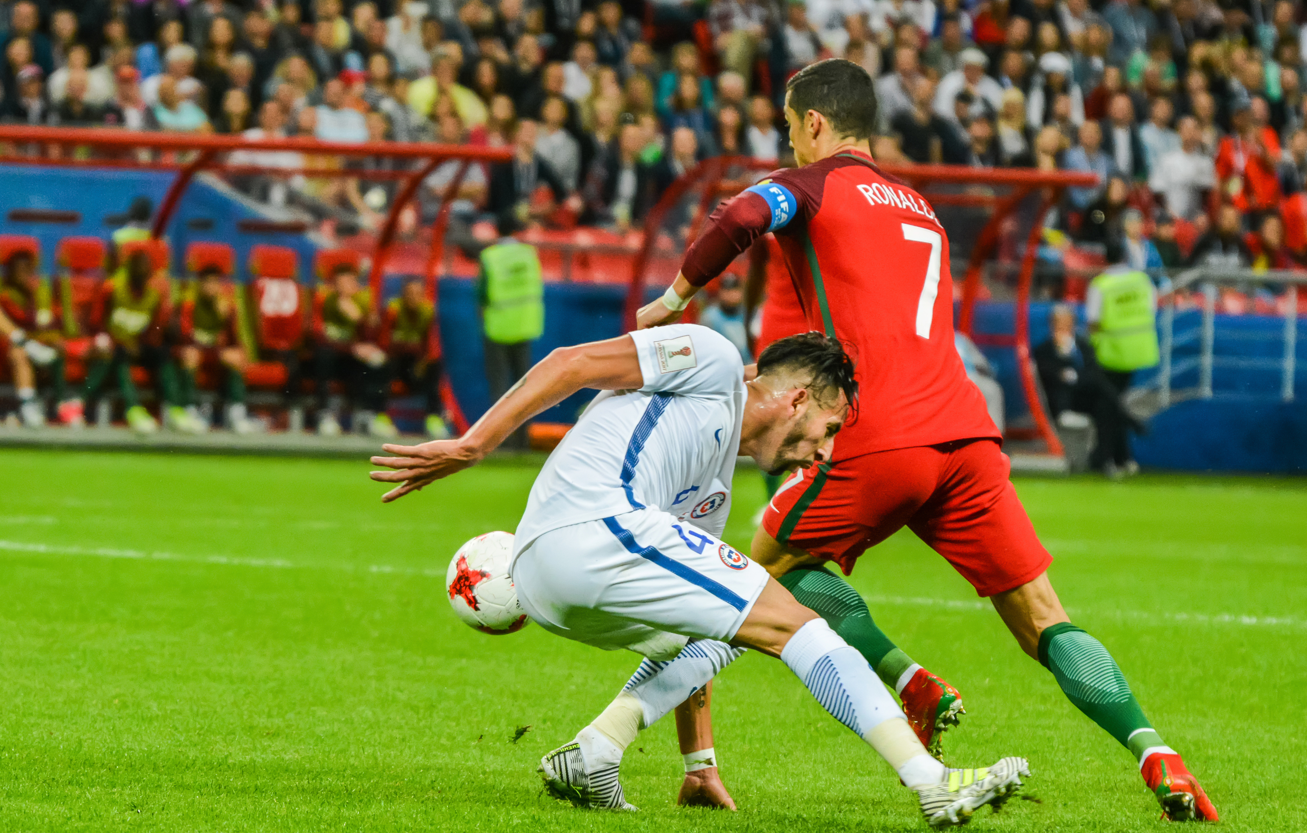
False 9s are strikers who drop into deeper areas of the pitch to draw defenders out and disrupt the opponent’s defensive structure. Many False 9s start their careers as attacking midfielders before transitioning to a forward role. They are more skillful at dribbling and possess more developed playmaking ability than the average striker. Operating between the lines to link midfield and attack, they contribute to build-up play while also posing a goal threat in the box. Their movement creates space for teammates to run into, and their technical ability allows them to exploit that space effectively.
Wingers: Stay Wide and High Up the Pitch
Wingers start on the flanks and typically stay wide to stretch the area that opposing defenders need to cover. Modern wingers alternate between hugging the touchline and drifting into central positions to support the attack. Their pace, dribbling ability, and quick changes of direction make them dangerous in counter-attacks and build-up play. Elite wingers can cut inside onto their stronger foot to shoot or deliver dangerous passes into the box, often excelling in one-on-one or double-up mismatches against defenders.

Case Studies: Elite Forwards Dominating the Game
Erling Haaland: Goal-Scoring Machine
Erling Haaland has established himself as one of the most prolific strikers in world football over the past few seasons. Since joining Manchester City in 2022, he has become one of the Premier League’s top scorers and set the record for the most goals in a single campaign during his debut season.
Haaland’s greatest strengths are his clinical finishing and intelligent movement inside the penalty area. An elite striker is efficient and doesn’t require many chances to score. Haaland’s ability to be in the right place at the right moment was a decisive factor in Manchester City’s Champions League and Premier League triumphs during the 2023/24 season.
Ousmane Dembele: Winger Converted to False 9
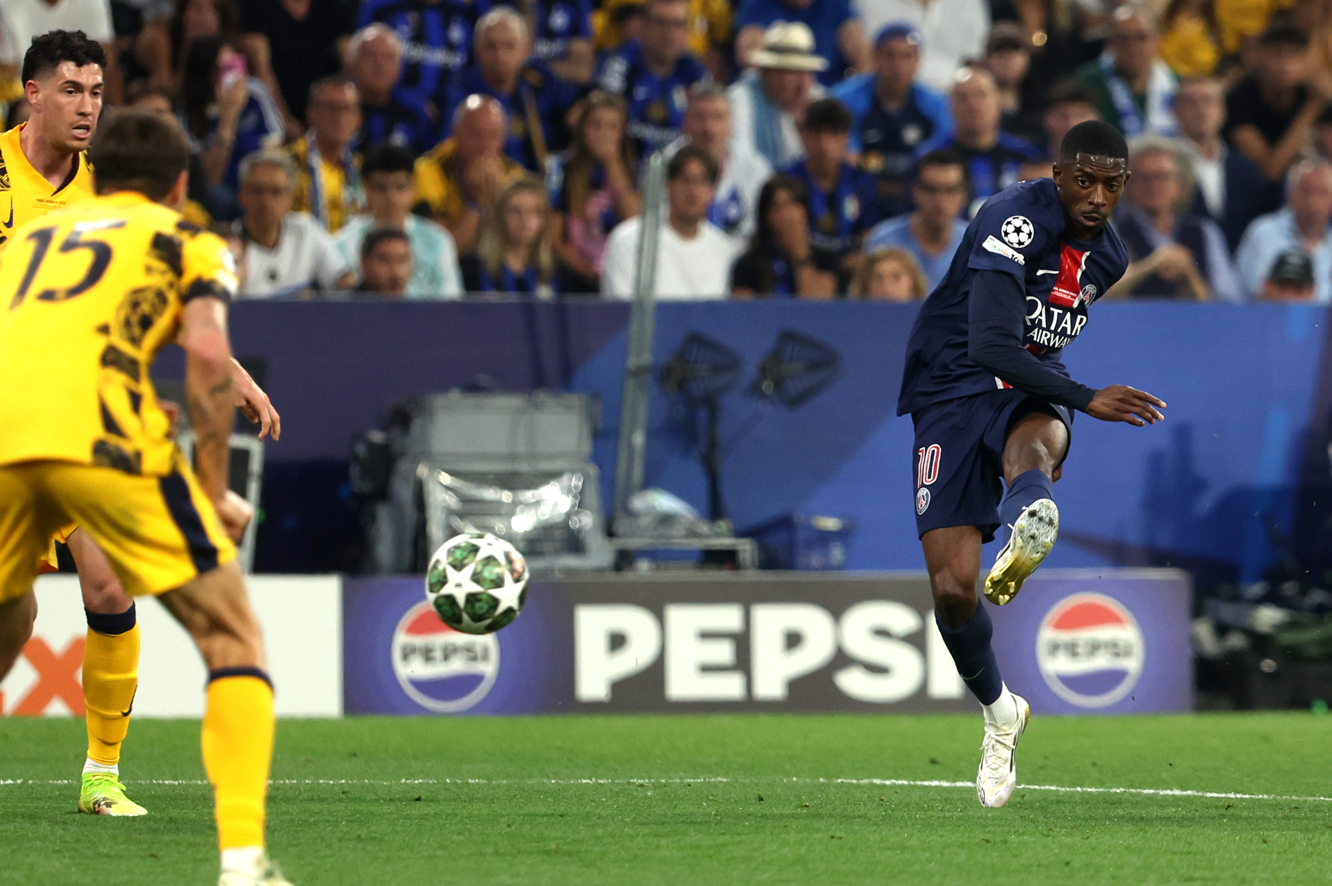
Ousmane Dembele played as a False 9 this season after spending the first few years of his career as a winger. Dembele has excelled in this new role, with greater goal-scoring expectations, and has developed into a dangerous player for the opposition to face in and around the box.
Dembele’s strongest qualities are his dribbling and ability to drift into central and wide areas across the frontline. His fluid positioning drags defenders out of position and creates space for his team to advance and create scoring opportunities.
In his first season as a False 9, Dembele improved his finishing ability to become more efficient in front of goal and was one of his team’s leaders in pressing actions in the final third. His transformation helped him lead PSG to their first Champions League trophy in the club’s history.
Lamine Yamal: World-Class Forward in the Making
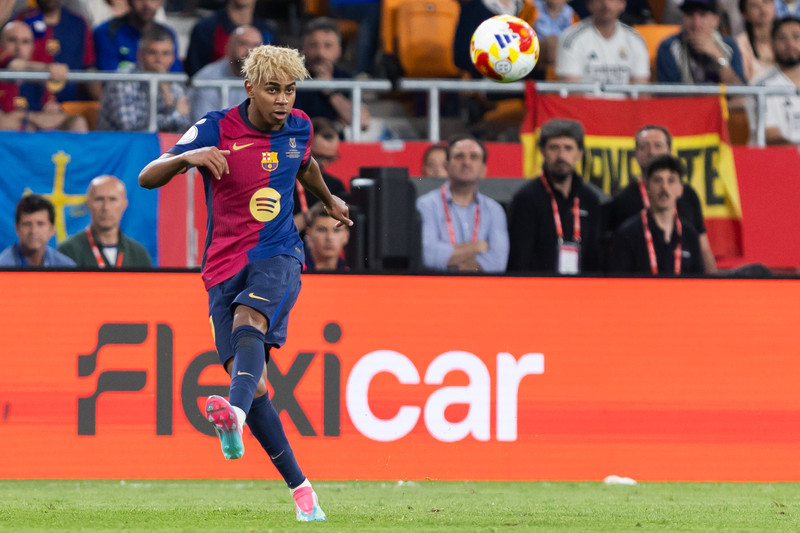
Lamine Yamal has quickly emerged as one of the most exciting young wingers in world football. Yamal made his Barcelona debut at just 15 years old and rose through the ranks to become a regular starter for both club and country.
Yamal’s primary weapon is his one-on-one ability. He can beat defenders with ease, create scoring opportunities, and consistently deliver precise final balls. Last season, he was the only winger across Europe’s top leagues to rank in the 95th percentile or higher in key attacking metrics, including assists, key passes, and successful dribbles.
His performances were pivotal in Barcelona’s La Liga title win and their run to the Champions League semi-final, solidifying his status as a potential generational talent who could dominate the game for years to come.
The Evolution of Forwards in the Modern Game
Forwards are the focal point of a team’s attack, each bringing unique skills and responsibilities depending on their role. Strikers focus on clinical finishing and intelligent movement to convert chances. False 9s blend goal-scoring with playmaking by dropping deeper and disrupting defensive structures. Wingers use pace, dribbling, and width to stretch defenses and create opportunities.
Players like Erling Haaland, Ousmane Dembele, and Lamine Yamal highlight how elite forwards can define a team’s success through relentless scoring, positional versatility, or creative brilliance. As the modern game evolves, the most successful teams will continue to rely on forwards who can adapt, innovate, and deliver in crucial moments.