Winter Sports
The GOAT of Every Winter Sport: A Complete, Sport-Wide Breakdown
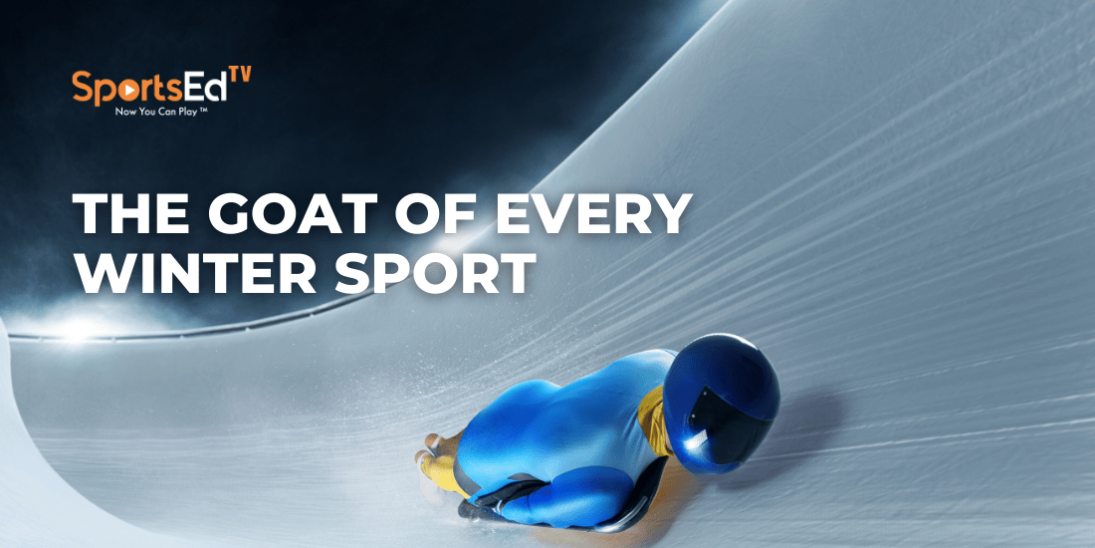
A definitive, sport-wide examination of greatness
The idea of a Greatest of All Time is seductive because it promises clarity. Winter sports resist that promise. Their competitive calendars extend far beyond the Olympic Games. Their rules, equipment, judging systems, and even event formats have evolved dramatically across eras. Entire generations have competed under conditions that make direct comparison difficult.
This article treats winter sports as living systems rather than quadrennial spectacles. Greatness here is defined by sustained dominance, longevity, depth of competition, innovation, and lasting influence on how a sport is performed and understood. Olympic success matters, but it is not sufficient on its own.
Men and women are evaluated separately because their competitive histories, timelines of inclusion, and professional opportunities differ substantially. A GOAT is the athlete who was most dominant relative to the realities of their era.
This is not a frozen list. It is a reference point.

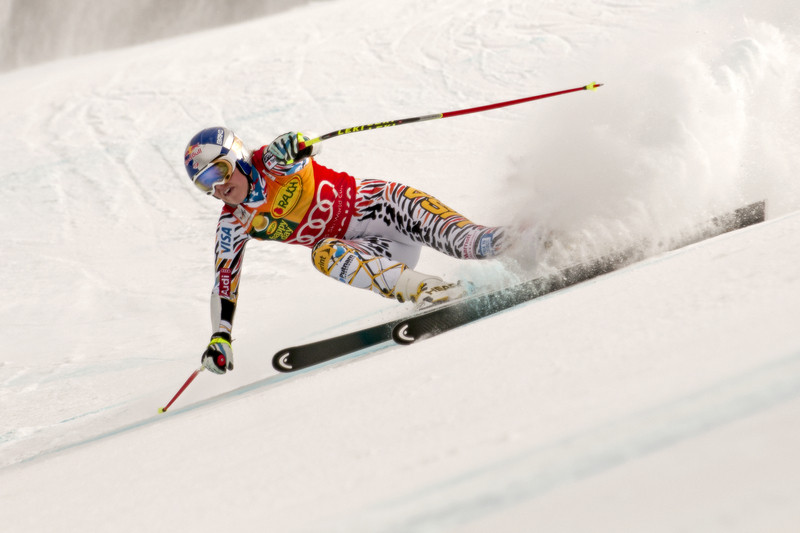
GOAT of Alpine Skiing
Alpine skiing developed in the European Alps in the early twentieth century and evolved into a sport defined by speed, precision, and risk management. Unlike most winter sports, alpine skiing contains disciplines that reward fundamentally different skill sets, making internal differentiation essential.
In technical events such as slalom and giant slalom, excellence is defined by precision, rhythm, and error minimization. The men’s GOAT is Ingemar Stenmark. His 86 World Cup victories, almost entirely in technical disciplines, represent a level of specialization and consistency never matched.
Other contenders include Marcel Hirscher. Stenmark is chosen because his technical dominance created an unprecedented separation from his peers.
In women’s technical skiing, the GOAT is Mikaela Shiffrin. Her longevity, adaptability, and record-setting win totals define modern technical excellence.
Other contenders include Vreni Schneider and Janica KosteliÄ. Shiffrin is selected for sustained dominance across generations.
In speed events such as downhill and super G, excellence is defined by fearlessness, line choice, and physical resilience. The men’s GOAT is Hermann Maier.
Other contenders include Franz Klammer. Maier is chosen for sustained dominance and psychological impact.
The women’s speed GOAT is Lindsey Vonn.
Other contenders include Annemarie Moser-Pröll. Vonn is selected for longevity in the most competitive era.
When alpine skiing is evaluated as a whole, the strongest modern-era case belongs to Marcel Hirscher, whose eight consecutive Overall World Cup titles represent unmatched all-around dominance.
GOAT of Cross-Country Skiing
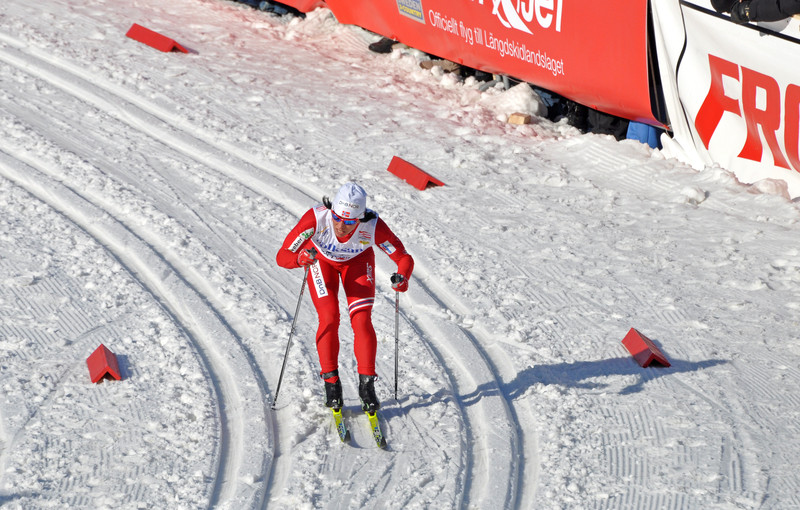
Cross-country skiing is one of the oldest winter sports, rooted in transportation and survival. It demands extreme aerobic capacity, efficiency, and tactical intelligence across varied terrain and distances.
The men’s GOAT is Bjorn Daehlie.
Other contenders include Petter Northug. Daehlie is chosen for comprehensive dominance across formats and championships.
The women’s GOAT is Marit Bjørgen.
Other contenders include Justyna Kowalczyk. Bjørgen is selected for unmatched completeness and longevity.
GOAT of Ski Jumping
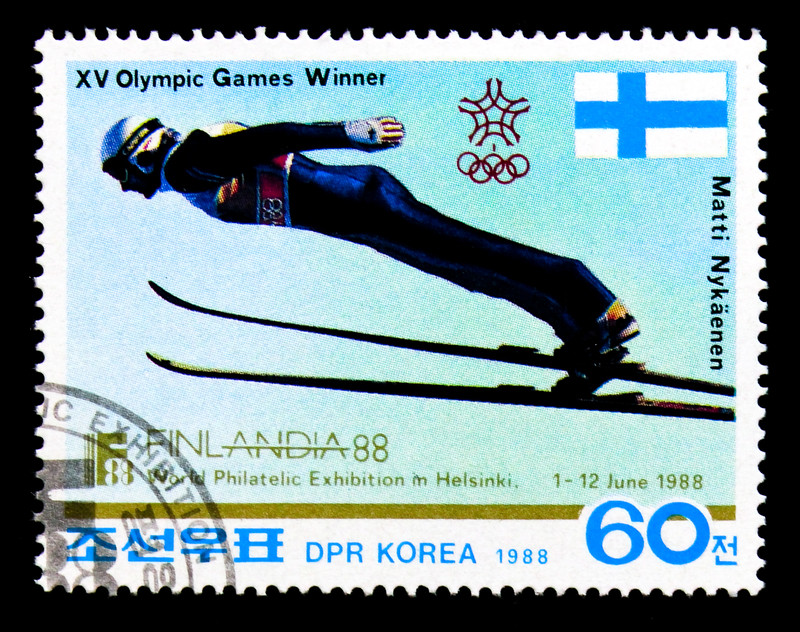
Ski jumping blends physics, courage, timing, and aerodynamic control. Psychological stability under extreme exposure is decisive.
The men’s GOAT is Matti Nykänen.
Other contenders include Simon Ammann. Nykänen is chosen for era-defining dominance.
The women’s GOAT is Sara Takanashi.
She was selected for sustained World Cup supremacy, which accelerated the sport’s global development.
GOAT of Nordic Combined
Nordic combined merges ski jumping and cross-country skiing, making it one of the most technically demanding winter sports.
The men’s GOAT is Eric Frenzel.
Other contenders include Johannes Rydzek. Frenzel is chosen for balance and longevity.
Women’s Nordic combined remains too young to declare a definitive GOAT.
GOAT of Freestyle Skiing
Freestyle skiing emerged in the 1960s and 1970s as a countercultural offshoot of alpine skiing before becoming a structured competitive sport. Today, it encompasses multiple disciplines, most notably moguls, aerials, ski cross, halfpipe, slopestyle, and big air. Across all formats, greatness in freestyle skiing is defined by a combination of technical difficulty, execution quality, adaptability to evolving judging standards, and the ability to remain dominant as progression accelerates.
Because freestyle skiing is judged and continuously evolving, GOAT status depends not only on medals or titles, but on how decisively an athlete shaped competitive standards within their discipline.
Men’s GOAT
The men’s GOAT of freestyle skiing is Mikaël Kingsbury. Kingsbury’s dominance in moguls is unparalleled in the modern era. He combined explosive athleticism with technical precision and consistency rarely seen in a judged discipline. Across World Cups, World Championships, and Olympic cycles, he maintained superiority in a field that steadily deepened and professionalized.
Other top contenders include Edgar Grospiron, whose Olympic-era success helped legitimize moguls as a mainstream discipline, and Alexei Grishin, whose aerials achievements set technical benchmarks in his specialty. Kingsbury is selected because his sustained dominance occurred in the most competitive and technically demanding period in the sport’s history.
Women’s GOAT
The women’s GOAT of freestyle skiing is Hannah Kearney. Kearney defined women’s moguls skiing through consistency, execution quality, and competitive resilience. She remained at the top across rule changes, judging refinements, and multiple Olympic cycles, setting a standard for precision that shaped the discipline.
Other top contenders include Perrine Laffont, whose modern-era dominance and technical innovation represent the next evolution of moguls skiing, and Xu Mengtao, whose aerials résumé reflects peak excellence in a highly specialized discipline. Kearney is selected for combining longevity, consistency, and influence during freestyle skiing’s most formative competitive period.

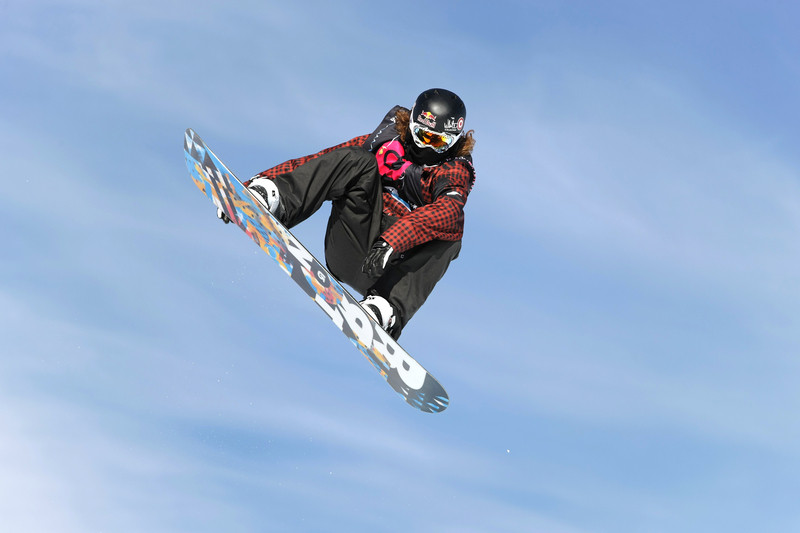
GOAT of Snowboarding
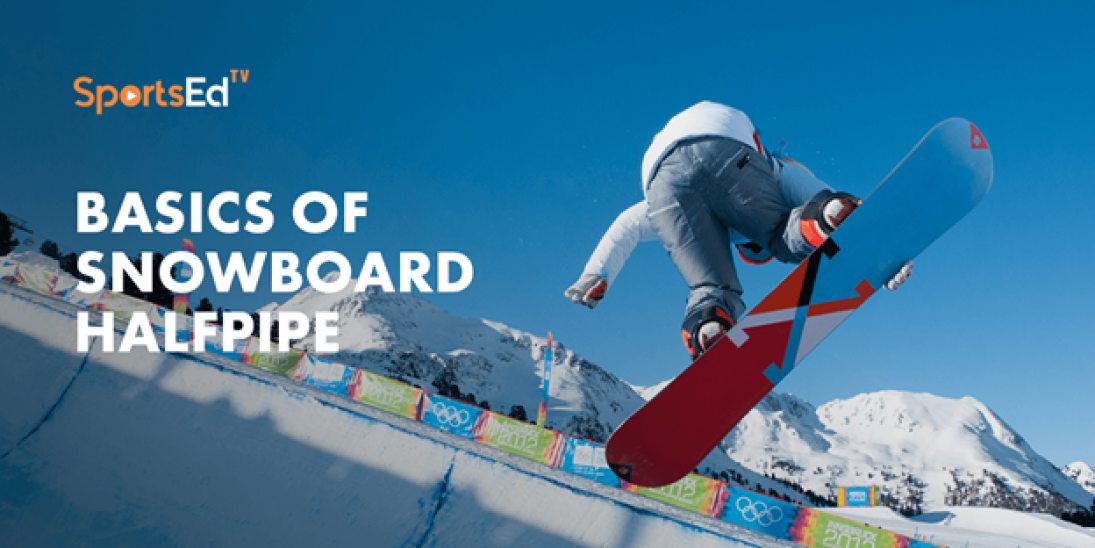
Snowboarding emerged from surf and skate culture in the late twentieth century and evolved faster than any other winter sport. Progression is central to greatness here. Tricks that win one season can be obsolete the next. Competitive success must therefore be measured not only by medals, but by how an athlete advances what is considered possible while remaining dominant as the bar rises.
Because snowboarding spans distinct disciplines, halfpipe, slopestyle, big air, and snowboard cross, GOAT status is defined by dominance within the most progression-driven formats rather than across all events.
Men’s GOAT
The men’s GOAT is Shaun White. White dominated the halfpipe across three Olympic cycles while continually pushing technical progression forward. His ability to remain competitive as the discipline transformed beneath him, combined with his influence on global visibility and commercial viability of the sport, sets him apart.
Other top contenders include Mark McMorris, whose slopestyle and big air résumé reflects sustained elite performance through rapid trick evolution, and Ayumu Hirano, whose technical innovation, particularly in amplitude and rotation, has reshaped modern halfpipe riding. White is selected because he uniquely combined progression, longevity, championships, and cultural impact in a sport where most careers peak briefly.
Women’s GOAT
The women’s GOAT is Chloe Kim. Kim dominated women’s halfpipe with a level of technical difficulty that redefined the competitive standard. She did not merely win. She forced the field to catch up to a new baseline of performance.
Other top contenders include Kelly Clark, whose longevity and early dominance helped establish women’s halfpipe as a legitimate competitive discipline, and Zoi Sadowski-Synnott, whose slopestyle and big air success reflect the modern multidiscipline era. Kim is selected for peak dominance combined with transformative impact on what women’s snowboarding looks like at the highest level.
GOAT of Figure Skating
GOAT of Figure Skating
Figure skating is one of the most complex winter sports to evaluate historically. It blends athletic difficulty, artistry, musical interpretation, and psychological control, all within judging systems that have changed repeatedly. The introduction of new scoring models, evolving technical requirements, and shifting incentives around jumps versus components make cross-era comparison especially challenging.
Greatness in figure skating is therefore defined by sustained dominance across competitive systems, technical innovation relative to the era, consistency under pressure, and lasting influence on how the sport is performed and judged.
Men’s GOAT
The men’s GOAT is Yuzuru Hanyu. Hanyu achieved dominance across both the old 6.0 judging system and the modern International Judging System, a rare feat in the sport’s history. He combined technical innovation, including historic quadruple jump achievements, with artistic cohesion that elevated performance standards. His ability to remain competitive as technical demands escalated, while maintaining compositional quality, separates him from his peers.
Other top contenders include Evgeni Plushenko, whose athleticism and jump difficulty pushed the sport toward its modern technical emphasis, and Nathan Chen, whose jump content and competitive consistency defined the most recent technical era. Hanyu is selected because he uniquely balanced innovation, artistry, longevity, and cross-system success rather than excelling in only one dimension.
Women’s GOAT
The women’s GOAT is Sonja Henie. Henie did not simply dominate her era. She fundamentally transformed women’s figure skating by introducing athletic movement, choreographic structure, and professionalism that still define the sport. Her influence reshaped judging expectations and performance norms long after her competitive career ended.
Other top contenders include Yuna Kim, Katarina Witt, and Michelle Kwan.
Yuna Kim’s case is exceptionally strong. She delivered one of the cleanest competitive résumés in modern figure skating history, with extraordinary scoring margins, technical efficiency, and composure under pressure. Her ability to achieve near-flawless execution at the biggest events, particularly under the International Judging System, makes her the strongest modern-era challenger to Henie’s status.
GOAT of Speed Skating Long Track
Long track speed skating is a sport of efficiency, pacing, and biomechanical precision. Races are contested on a 400-meter oval where success depends on sustained power output, flawless technique, aerodynamic control, and the ability to manage energy across distances ranging from sprint events to endurance races. Unlike short track, outcomes are rarely chaotic. Greatness here is defined by consistency, versatility, and the capacity to dominate across seasons rather than moments.
Because athletes often specialize by distance, identifying a GOAT requires evaluating not only peak performance, but also range, longevity, and dominance across competitive eras.
Men’s GOAT
The men’s GOAT is Sven Kramer. Kramer dominated long-distance speed skating for more than a decade, combining technical efficiency with relentless consistency across World Cups, World Championships, and Olympic cycles. He excelled in the 5,000 and 10,000 meters while remaining competitive in team events, setting a standard for endurance skating that defined an era.
Other top contenders include Eric Heiden, whose five gold medals across five distances at a single Olympics represent the greatest peak performance in the sport’s history, and Johann Olav Koss, whose world-record performances combined athletic excellence with historical significance. Kramer is selected because his dominance extended far beyond a single game, encompassing longevity, specialization mastery, and era-spanning consistency.
Women’s GOAT
The women’s GOAT is Ireen Wüst. Wüst’s greatness lies in her versatility and durability. She won Olympic gold medals across multiple distances and across five Olympic Games, adapting to changes in competition, rivals, and event formats while remaining at the top level longer than any woman in the sport’s history.
Other top contenders include Claudia Pechstein, whose longevity and endurance résumé is unmatched, and Bonnie Blair, whose sprint dominance defined her era. Wüst is selected because she combined longevity with range, succeeding across distances and generations rather than within a single specialty.
GOAT of Short Track Speed Skating
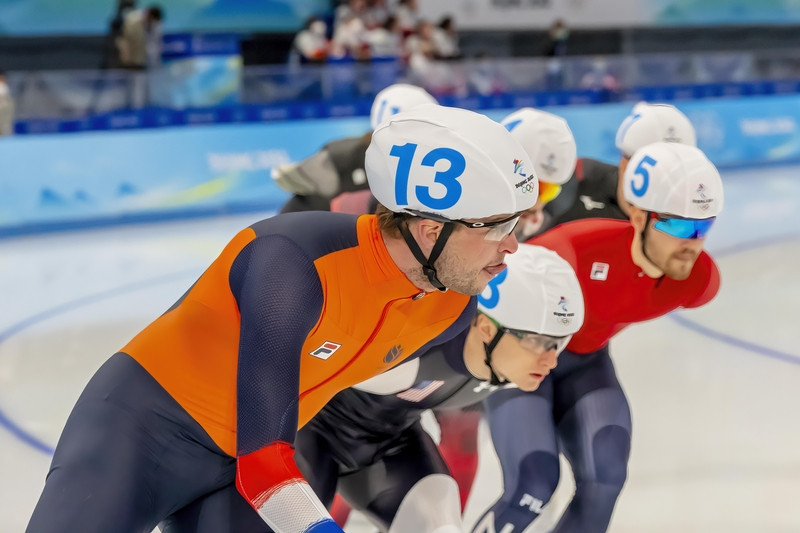
Short track speed skating is the most volatile discipline in winter sports. Races are contested on a small oval with multiple skaters in close proximity, where positioning, drafting, split-second decision-making, and risk management matter as much as raw speed. Penalties, collisions, and disqualifications are intrinsic to the sport, which makes sustained dominance exceptionally difficult.
Greatness in short track is therefore defined not by flawless records, but by an athlete’s ability to win repeatedly despite chaos, across distances, formats, and Olympic cycles.
Men’s GOAT
The men’s GOAT is Viktor Ahn. Competing for two different national programs, Ahn combined tactical intelligence, efficiency of movement, and composure under pressure better than any skater in the sport’s history. His ability to control races from the front or the pack, minimize penalties, and peak at major championships sets him apart in a discipline where randomness usually prevails.
Other top contenders include Apolo Ohno, whose medal count and race instincts defined the sport’s growth outside Asia, and Lee Jung-su, whose peak dominance was formidable. Ahn is chosen because his success spanned eras, teams, and rule interpretations, demonstrating a level of control rarely seen in short track.
Women’s GOAT
The women’s GOAT is Wang Meng. At her peak, she dominated the discipline with a blend of speed, tactical aggression, and race awareness that made her nearly untouchable. She won across distances and formats and imposed order on a sport defined by disorder.
Other top contenders include Choi Min-jeong, whose consistency across Olympic cycles is exceptional, and Suzanne Schulting, who expanded the sport’s competitive geography. Wang is selected for her overwhelming peak dominance and her ability to dictate race outcomes rather than merely survive them.
GOAT of Ice Hockey
Ice hockey has historically been the most complex winter sport to evaluate. It combines individual skill, physicality, speed, and team dynamics, while evolving through major rule changes, expansion eras, equipment shifts, and differences between professional leagues and international play. Greatness in hockey must therefore be assessed across dominance, longevity, impact on winning, and separation from peers within a given era.
Men’s GOAT
The men’s GOAT is Wayne Gretzky. His statistical separation from every peer in NHL history is so extreme that it effectively ends the debate. Gretzky did not merely lead his era; he redefined offensive production, vision, and anticipation. His influence persists in how the game is taught, played, and analyzed.
Other top contenders include Mario Lemieux, whose peak performance may rival anyone in history, and Gordie Howe, whose longevity and physical dominance across multiple eras were unprecedented. Lemieux is often cited for talent, Howe for durability and two-way impact. Gretzky is chosen because his dominance is unmatched in terms of peak, longevity, championships, and an unbridgeable statistical gap.

Women’s GOAT
The women’s GOAT is Hayley Wickenheiser. She dominated women’s hockey at every level, across multiple Olympic cycles and World Championships, while also advancing the visibility and legitimacy of the women’s game globally. Her influence extends beyond scoring to leadership, versatility, and sport development.
Other top contenders include Cammi Granato, whose offensive impact helped define early international women’s hockey, and Marie-Philip Poulin, whose clutch performances in the biggest moments are unmatched. Wickenheiser is selected for unmatched breadth of dominance, longevity, and foundational impact.

GOAT of Curling
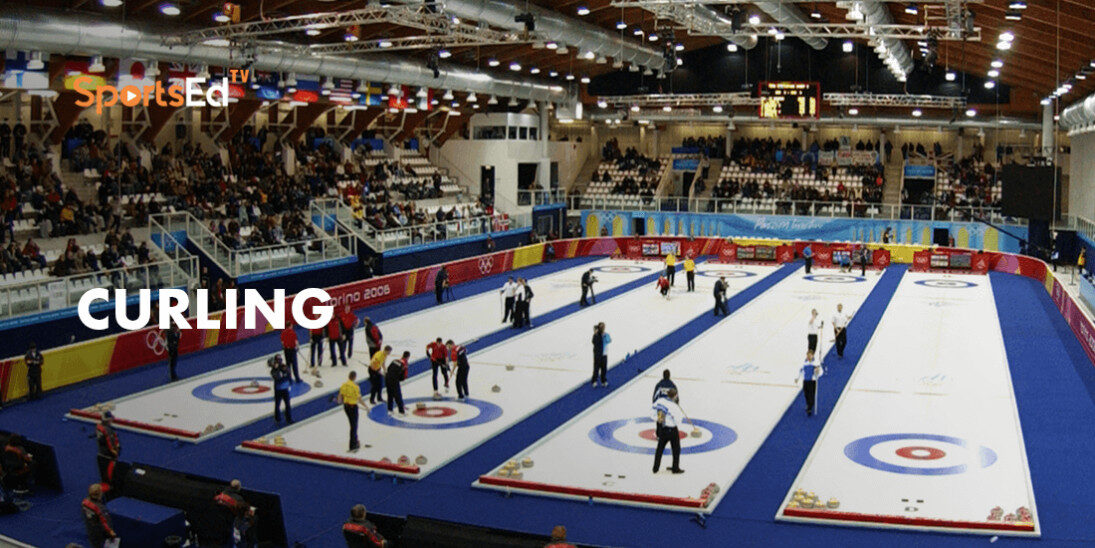
Curling is one of the oldest organized winter sports, originating in Scotland in the 16th century. It is a game of precision, probability management, and leadership rather than raw physical output. Greatness in curling depends on shot-making accuracy, tactical foresight, emotional control, and the ability to manage a team over long matches where momentum can shift with a single stone.
Unlike most winter sports, curling greatness cannot be reduced to individual statistics. The skip’s decision-making, adaptability to ice conditions, and consistency across championships define elite performance. Era context is critical, as professionalization and global depth have increased significantly over time.
Men’s GOAT
The men’s GOAT is Kevin Martin. Martin combined elite shot execution with analytical precision at a time when curling was transitioning into a fully professional, data-driven sport. His sustained success across World Championships, Olympic competition, and the deepest domestic circuit in the world positions him at the center of modern men’s curling history.
Other top contenders include Brad Gushue, whose longevity and adaptability across changing competitive eras are exceptional, and Niklas Edin, whose international résumé represents the strongest non-Canadian case for men’s curling greatness. Martin is selected because his peak dominance coincided with the highest concentration of elite competition and because his tactical approach influenced how the modern game is played.
Women’s GOAT
The women’s GOAT is Anette Norberg. Norberg’s greatness lies in her championship efficiency and psychological control under the highest stakes. Her back-to-back Olympic gold medals and consistent success at World Championships reflect an ability to execute decisive shots with minimal error when pressure is greatest.
Other top contenders include Jennifer Jones, whose dominance in Canadian and international competition spanned more than a decade, and Eve Muirhead, a defining leader of the modern European women’s game. Norberg is selected because her teams converted opportunities into championships with unmatched consistency at the sport’s most consequential moments.
GOAT of Sliding Sports
Sliding sports are defined by the interaction between the athlete, sled, and track. Success depends on start explosiveness, steering precision measured in millimeters, deep track knowledge, and the ability to manage risk at speeds exceeding 140 km/h. Unlike most winter sports, marginal gains in equipment and setup can materially change outcomes, making era context essential when evaluating greatness.
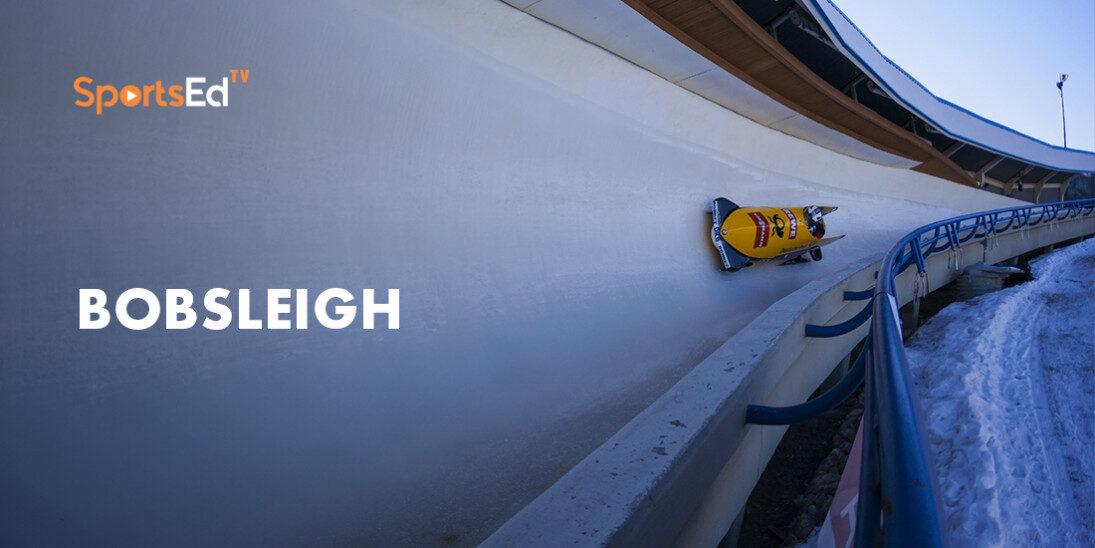
Bobsleigh
Bobsleigh combines sprint power, piloting skill, engineering understanding, and team coordination. The pilot’s ability to read ice and manage runners under varying conditions is decisive.
The men’s GOAT is Andre Lange. Lange dominated both two-man and four-man events across multiple Olympic cycles and World Championships, combining technical mastery with strategic control in the most systematized era of bobsleigh.
Other top contenders include Kevin Kuske, whose medal haul rivals that of any athlete in sliding sports, and Francesco Friedrich, whose recent World Championship dominance is unprecedented. Lange is selected because his success spanned both Olympic and World Cup formats at a time when the field was deepest, and margins were smallest.
The women’s GOAT is Kaillie Humphries. She won at the highest level for two different nations and maintained dominance through changes in equipment regulations and team composition.
Other contenders include Sandra Kiriasis and Elana Meyers Taylor. Humphries is chosen for cross-era and cross-system supremacy.
Skeleton
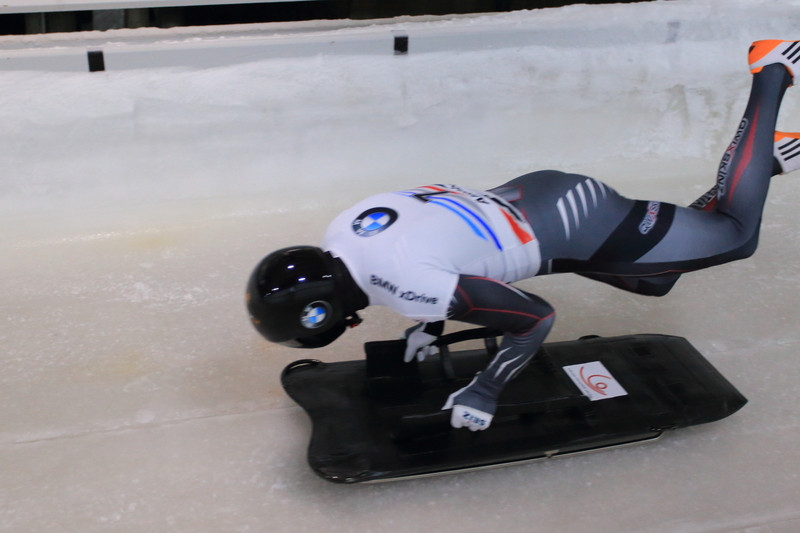
Skeleton is the purest sliding discipline, with athletes traveling headfirst inches above the ice. Precision, nerve, and micro-adjustments under extreme speed define excellence.
The men’s GOAT is Martins Dukurs. His World Cup dominance was so overwhelming that he became the reference point against which the sport measured itself for more than a decade.
Other top contenders include Alexander Tretiakov and Christopher Grotheer. Dukurs is selected for sustained supremacy across seasons, tracks, and technical changes.
The women’s GOAT is Lizzy Yarnold. Her ability to peak under Olympic pressure, combined with consistent elite performance, sets her apart.
Other contenders include Jacqueline Lölling and Katie Uhlaender. Yarnold is chosen for competitive poise at the highest stakes.
Luge
Luge is the most technically demanding of the sliding sports, with athletes steering supine at extreme speeds using minimal contact. Line precision, reaction speed, and accumulated track knowledge are decisive.
The men’s GOAT is Armin Zöggeler. Competing across six Olympic cycles, Zöggeler combined longevity with consistent podium-level performance unmatched in the sport.
Other contenders include Felix Loch, whose peak dominance was extraordinary, and Georg Hackl, whose technical influence shaped modern luge. Zöggeler is selected for unparalleled durability at the top level.
The women’s GOAT is Natalie Geisenberger. Her sustained dominance across Olympic Games, World Championships, and World Cup seasons defines modern women’s luge.
Other contenders include Silke Kraushaar and Tatjana Hüfner. Geisenberger is chosen for breadth, longevity, and consistency.

Final perspective
Greatness in winter sports is not static. It evolves with training, technology, and competitive depth. The athletes named here did more than win titles. They shaped standards and changed expectations.