Mental Toughness, Strength And Conditioning
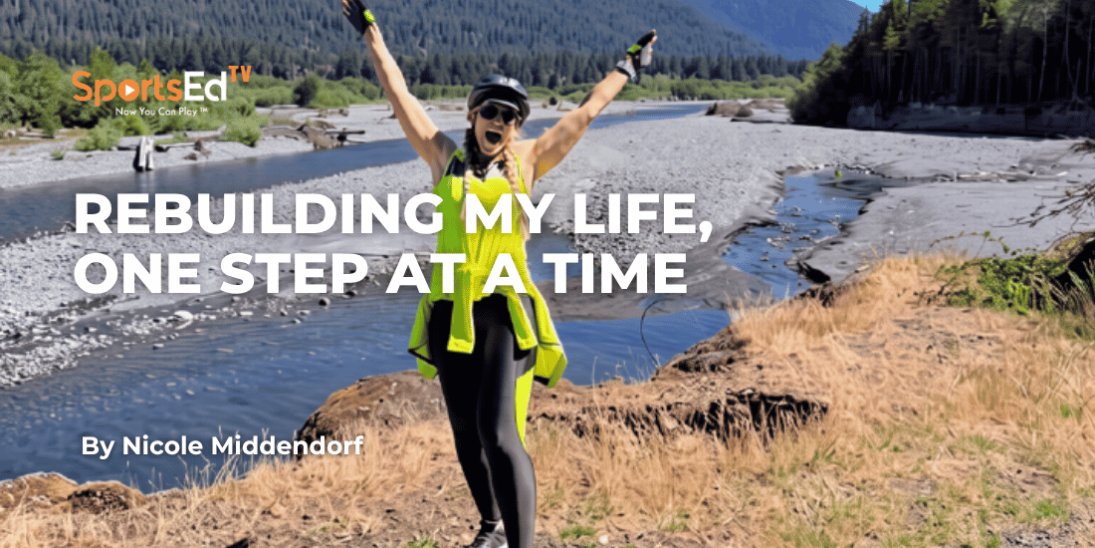
Rebuilding My Life, One Step at a Time
Every morning, before my calendar is filled with meetings and my inbox demands attention, I lace up my walking shoes. Sometimes I walk outside on the path around Lake Minnetonka; during winter, I step onto a treadmill with my iPad or iPhone. The location changes, but the commitment does not. I am moving.
To most people, it looks like an ordinary walk. Yet those steps became the foundation of a life I had to rebuild. Walking helped me recover physically, but its deeper value was emotional. It gave me room to think, permission to slow down, and a way to begin trusting myself again after an abusive marriage.
Leaving Was the Beginning, Not the End
From the outside, my life appeared successful. I had built a thriving financial-planning business, was raising a family, loved strength training, and rarely hesitated to take on a challenge. I was productive, disciplined, and accustomed to solving problems. What very few people could see was the invisible cost of living inside a relationship that was steadily wearing me down.
Leaving that marriage was one of the hardest decisions of my life, but leaving was not the end of the experience. It was the beginning of recovery. People sometimes imagine that leaving a harmful situation allows relief to replace fear immediately. My experience was more complicated. The mind may understand that the danger has passed while the body remains alert. Sleep can remain difficult, thoughts can keep circling, and ordinary decisions can still feel heavy.
For a long time, I responded in the way many high achievers do: I worked harder, trained harder, and stayed busy. Discipline had helped me build a business, so I assumed it could solve this problem too. When I began gaining weight despite exercising consistently and eating what I considered a healthy diet, I concluded that I needed to push even more.
My body was telling me the opposite.

Understanding the Physical Cost of Chronic Stress
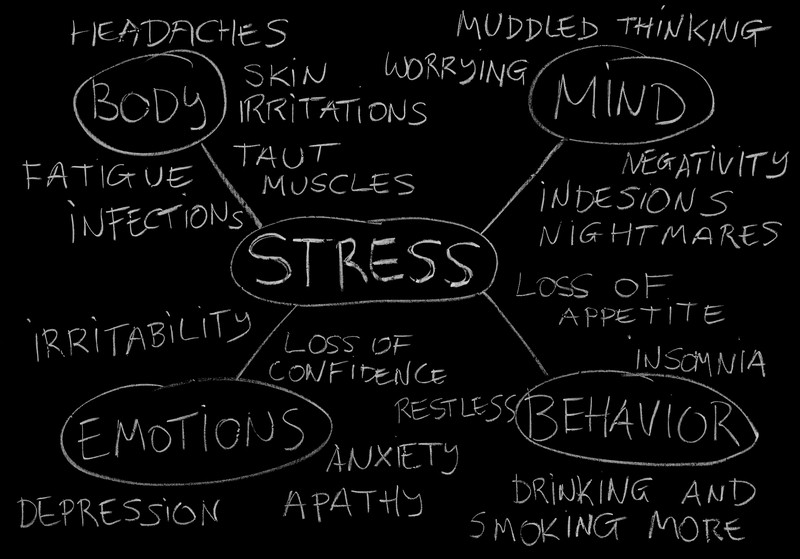
With help from healthcare professionals, I learned that chronic stress could affect sleep, appetite, energy, concentration, recovery, and exercise response. A system designed for short bursts of protection can become exhausting when it remains activated for years.
That explanation changed the way I saw myself. My body was not failing me, nor was it evidence that I had become weak or undisciplined. It had spent years trying to protect me. What it needed now was not punishment disguised as fitness. It needed recovery, consistency, and a sense of safety.
Instead of asking how I could do more, I began asking a better question: How could I recover better? The answer did not arrive as an extreme training program. I committed to one of the simplest forms of movement available to most people: walking every day.
How Walking Became My Mental Reset
Walking soon became more than a way to burn calories or increase my step count. It became the transition between the pressure of my past and the life I was trying to create. During a walk, I did not have to solve everything at once. I only had to continue moving in the direction I had chosen.
Halfway through many walks, problems that had seemed overwhelming began to feel manageable. Business ideas surfaced naturally, difficult conversations stopped replaying with the same intensity, and the rhythm of my steps gave my mind something steady to follow.
I was not setting out to meditate or achieve a perfect state of calm. I was simply walking. Yet the repetition, breathing, and forward motion gradually interrupted the mental loops that had kept me stuck. I did not know the scientific terminology when I began. I only knew that every day I walked, I felt a little more like myself.
Research on physical activity helps explain why that experience is common. Moderate movement can support mood, sleep, circulation, and cognitive function, while rhythmic exercise may help interrupt rumination. Walking does not erase trauma or replace professional care, but it can create conditions in which the mind and body are better able to recover.
Rebuilding My Health Without Punishing My Body
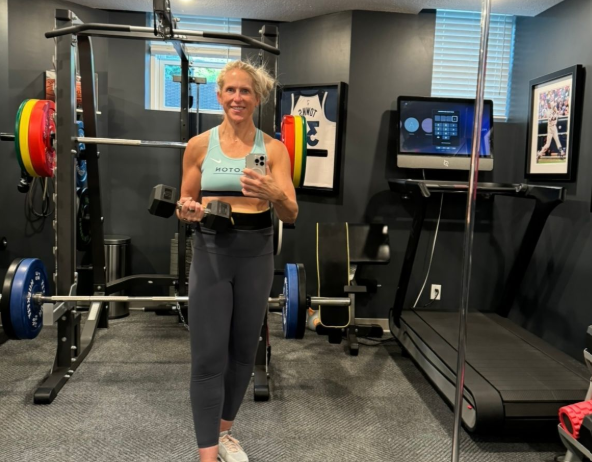
I continued lifting weights three times a week because strength training is something I genuinely love. Walking, however, became the glue that held my other healthy habits together. It supported recovery between workouts and made movement part of my day without turning every session into another performance test.
I also eliminated refined sugar and alcohol, focused on eating sufficient protein, and began treating sleep as part of training rather than something that happened after everything else was finished. The goal was no longer to force my body into submission. The goal was to work with it.
Slowly, my body responded. I lost thirty-eight pounds, my energy returned, and my sleep became more consistent. Those results mattered, but the greatest transformation could not be measured on a scale. I was rebuilding confidence in my body and my decisions.
Every walk became a small promise kept. After living in an environment where my perceptions and choices had often been challenged, following through on a commitment to myself carried unusual significance. I said I would walk, and I walked. That repetition restored something that had been damaged: self-trust.
Nature, Treadmills, and the Power of Accessibility
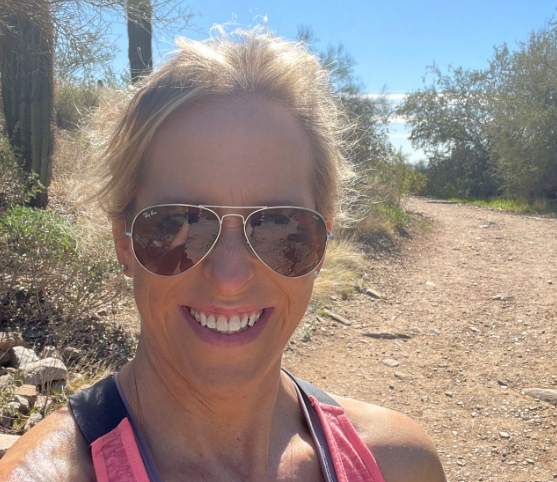
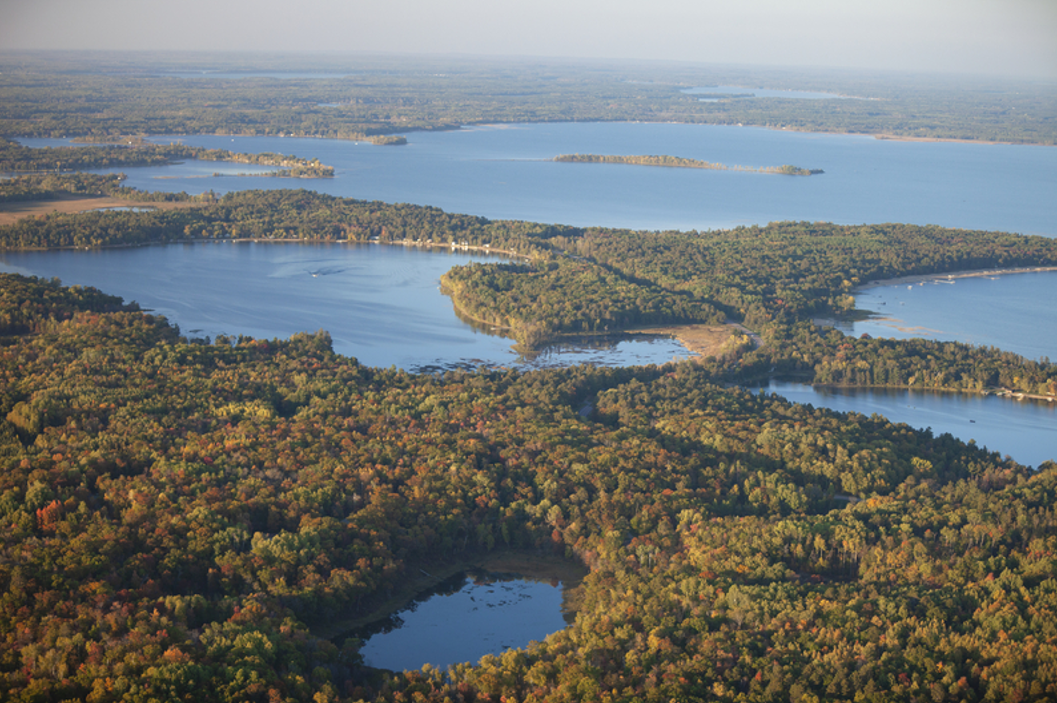
Whenever possible, I walk outside among Minnesota’s lakes, trees, changing colors, and quiet paths. Nature does not demand an explanation or ask me to defend how I feel. It simply creates space.
The outdoors reminds me that meaningful change is rarely immediate. Seasons shift gradually, and recovery can follow the same pattern. Consistent movement eventually carries you into a different season of life.
When winter weather does not cooperate, I use the treadmill, sometimes while answering emails or outlining a presentation. That flexibility prevents perfection from becoming an excuse. The walk does not have to happen in a beautiful location, at a particular pace, or under ideal conditions to count. The important lesson is not where you walk. It is that you keep moving.
When More Was Not Better
Like many goal-oriented people, I eventually turned walking into another competition with myself. If 10,000 steps were good, I reasoned, then 15,000 must be even better. The number became a target I felt obligated to reach, even when doing so required me to sacrifice sleep or ignore signs that my body needed rest.
I had accidentally recreated the mindset I was trying to escape. Once again, I was measuring success by how much discomfort I could tolerate instead of whether the habit was improving my life. That realization produced one of the most important principles of my recovery: More is not always better. Better is better. Consistency beats intensity.
A sustainable walk that supports sleep, strength, and mental clarity is more valuable than an impressive step count that leaves the body exhausted. Even healthy habits can become another source of pressure when they are driven by guilt or the belief that we are never doing enough. Recovery requires discipline, but it also requires restraint, self-awareness, and compassion.

Walking and Strength Training Serve Different Purposes
Walking never replaced strength training in my life. The two serve different but complementary purposes. Strength training reminds me that I can become physically stronger at every stage of life. It asks me to create tension and overcome resistance. Walking asks for something different. It invites me to breathe, reflect, and recover.
One challenges my muscles. The other restores my mind.
Together, they helped me redefine strength. Strength is not only the ability to lift more weight, endure more pressure, or continue functioning while something is hurting you. Sometimes strength is recognizing that an environment is damaging you and choosing to leave. Sometimes it is accepting support, resting instead of proving, or taking a walk when your thoughts are telling you to remain isolated.
From Surviving to Living: My Live It List
As my confidence returned, I created what I call my Live It List. A traditional bucket list can sound like experiences reserved for some distant future. My Live It List is a decision to pursue meaningful experiences while I am healthy, curious, and present enough to enjoy them.
The list has included rappelling down a building, learning to fly an airplane, rock climbing, and swimming with sharks. Walking helped restore the confidence that made those adventures possible and moved me from a life organized around fear toward one shaped by curiosity and choice.
People ask whether I was frightened while swimming with sharks. Of course I was. The point was not to eliminate fear. It was to prove that fear no longer controlled every decision I made. Courage is rarely the absence of fear. More often, it is recognizing fear and moving forward when the experience aligns with the life you want to live.

Movement Also Strengthened My Relationships
Walking also changed my relationships. Instead of meeting friends for happy hour, we began meeting for walks. Conversations became longer and more honest because we were moving side by side. Sharing a path makes silence comfortable and allows difficult subjects to emerge naturally. Sometimes support begins with a simple invitation: “Would you walk with me?”

Healing Happens Through Ordinary Decisions
If there is one lesson I hope readers take from my story, it is that healing rarely comes from a single dramatic breakthrough. It is built through hundreds of ordinary decisions made consistently: one walk, one nourishing meal, one workout, one honest conversation, one boundary, and one good night of sleep. None of those choices look like life-changing in isolation. Repeated often enough, however, they reshape both body and mind.
Walking did not solve every problem, and it did not make the past disappear. What it gave me was a repeatable way to participate in my own recovery. It provided time to process, a healthier outlet for stress, and daily proof that I could choose forward motion. It helped me stop treating my body as an opponent and begin seeing it as a partner that had carried me through an extraordinarily difficult period.
Today, I still love lifting weights. I still run my business, pursue new challenges, and add experiences to my Live It List. Yet almost every morning begins in the same uncomplicated way. I put on my walking shoes and take the first step.
That step reminds me that progress is not always measured by speed, distance, calories, or a fitness tracker. Sometimes it is measured by sleeping peacefully, thinking clearly, trusting your decisions, reconnecting with people, and feeling at home in your body again.
Sometimes it is measured by the quiet confidence that comes from knowing you are moving forward, one day at a time.
Nicole Middendorf
Single Mom. Adventure lover. Money maven. Coach. Business Owner. Writer. Traveler. Speaker. Philanthropist. Check out my page @theliveitlistbynm