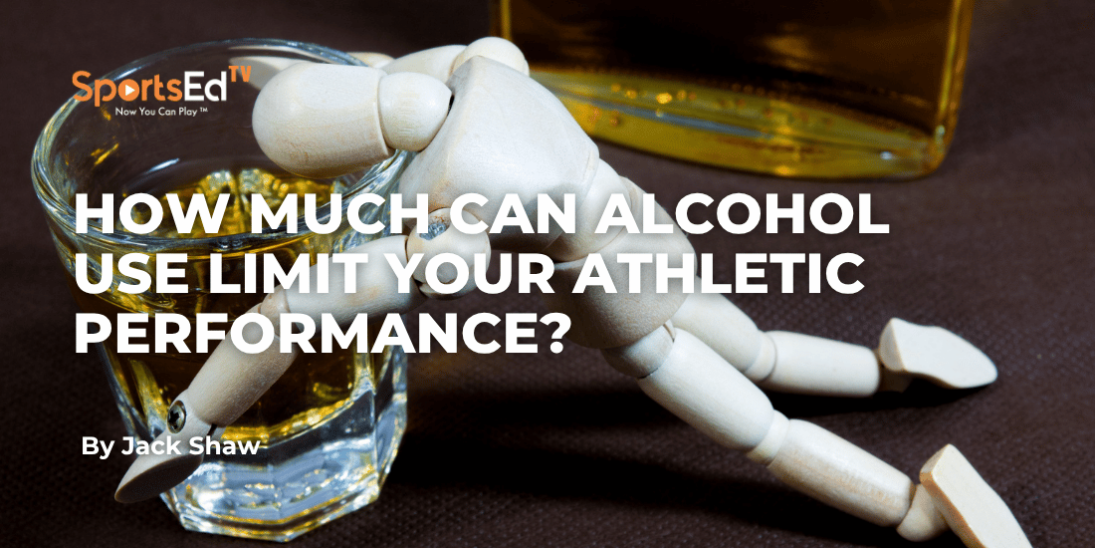
You just crushed a hard training session, and a cold drink sounds like the perfect way to celebrate. There's nothing wrong with that instinct. But if you're serious about your training, it helps to know what's actually happening inside your body after that drink.
Alcohol doesn't just show up the next morning as a headache. It changes your hormones, your muscle repair, and your hydration in ways that carry measurable costs. The key is knowing the actual numbers on alcohol and strength training, so you can decide when a drink is worth it.

What Alcohol Does to Your Muscle Recovery
The first step is to focus on rebuilding muscle, the process your body relies on most after a workout. Once you understand what's happening at the cellular level, the rest gets a lot easier to make sense of, and it's central to any real conversation about alcohol and strength training.
After you train, your body ramps up muscle protein synthesis, the process that repairs the tiny tears in your muscle fibers and makes you stronger over time. A 2022 review found that alcohol consumed alongside post-workout protein still blunted the muscle protein synthesis response compared to protein alone, even under otherwise ideal recovery nutrition. Protein alone couldn't fully offset the damage.
Alcohol also slows the rate at which your muscles restock glycogen, the stored carbohydrate that fuels your next session. If you train again within a day or two of drinking, you may be running on a partially empty tank without realizing why your legs feel heavy or your lifts feel harder than usual.
You just crushed a hard training session, and a cold drink sounds like the perfect way to celebrate. There's nothing wrong with that instinct. But if you're serious about your training, it helps to know what's actually happening inside your body after that drink.
Alcohol doesn't just show up the next morning as a headache. It changes your hormones, your muscle repair, and your hydration in ways that carry measurable costs. The key is knowing the actual numbers on alcohol and strength training, so you can decide when a drink is worth it.
What Alcohol Does to Your Muscle Recovery
The first step is to focus on rebuilding muscle, the process your body relies on most after a workout. Once you understand what's happening at the cellular level, the rest gets a lot easier to make sense of, and it's central to any real conversation about alcohol and strength training.
After you train, your body ramps up muscle protein synthesis, the process that repairs the tiny tears in your muscle fibers and makes you stronger over time. A 2022 review found that alcohol consumed alongside post-workout protein still blunted the muscle protein synthesis response compared to protein alone, even under otherwise ideal recovery nutrition. Protein alone couldn't fully offset the damage.
Alcohol also slows the rate at which your muscles restock glycogen, the stored carbohydrate that fuels your next session. If you train again within a day or two of drinking, you may be running on a partially empty tank without realizing why your legs feel heavy or your lifts feel harder than usual.
How Alcohol Affects Your Hydration and Heart
Beyond muscle repair, alcohol puts extra strain on your cardiovascular system, and this is where a lot of athletes get caught off guard.
Alcohol is a diuretic, meaning it makes you lose fluid faster than you're taking it in. Combine that with the fluid you've already lost through sweat, and you can end up meaningfully dehydrated without feeling particularly thirsty. Dehydration reduces blood flow to working muscles, raises your heart rate at a given effort level, and can leave you gassed earlier than usual in your next workout.
Drinking can sometimes lead to chest tightness and discomfort. An occasional mild symptom isn't necessarily a red flag, but recurring chest tightness after drinking is worth mentioning to a doctor rather than brushing off as a fluke. Some people also notice their heart pounding or feeling tight after drinking, especially following intense exercise. This bodily response can affect your athletic performance the next day, but it can also signal serious health issues you should address.
What Alcohol Does to Your Hormones and Gains
Hydration isn't the only system under strain. Alcohol also disrupts the hormones that tell your body to build muscle rather than break it down, another place your recovery takes a hit. This hormonal shift is one of the most overlooked pieces of the alcohol and strength training conversation.
When you drink, your cortisol levels rise while your testosterone drops, flipping the ratio your body relies on for recovery. A 2023 review found that heavier alcohol intake reduces testosterone largely through increased stress-hormone activity, along with inflammation and oxidative stress. One drink won't wreck your gains, but it does mean your body is working against itself right when you need it working for you.
This matters most if you train hard several days in a row. One night out probably won't undo weeks of progress. A pattern of drinking after every session is a different story, since it keeps nudging your hormone balance in the wrong direction right when your body needs to recover.
How to Train Hard and Still Enjoy a Drink
None of this means alcohol and athletic performance nutrition have to always be at odds. It means timing and amount matter more than most people assume. A few adjustments can protect your training without asking you to give up your social life:
- Time drinks around rest days: Save alcohol for rest days or the day before a lighter training session, not the night right after your hardest workout of the week.
- Rehydrate deliberately: Prioritize water and electrolytes before and after drinking, especially if you already sweated heavily during training.
- Keep the amount modest: Experts generally recommend avoiding alcohol for about 48 hours before a sporting activity to perform your best. If you do drink in that window, keep it to one or two drinks and stay hydrated.
- Eat before you drink: Have a real meal with protein and carbs before drinking, since eating first slows how quickly alcohol enters your bloodstream, and training and drinking on an empty stomach compounds the recovery hit.
- Track how you feel: Pay attention to how your next one or two workouts actually feel, and use that as your own personal data point.
How to Weigh the Trade-Off Before Your Next Drink
Your body will usually tell you what it needs if you're willing to listen. Some athletes find they recover fine after a couple of drinks on a rest day. Others notice a real difference in how heavy their next session feels. Both responses are normal, and neither means you're doing something wrong.
Once you know what a drink actually costs your recovery, hormones, and hydration, you're in a much better position to decide when it's worth it and when your training goals should win out instead.

Frequently Asked Questions About Alcohol and Athletic Performance
Does alcohol affect muscle recovery after exercise?
Yes. High alcohol intake after exercise can reduce muscle protein synthesis, the process your body uses to repair and build muscle. In a small study of physically active men, muscle protein synthesis was 24% lower when alcohol was consumed with protein compared with protein alone. The study used a large alcohol dose, so that percentage should not be applied to one occasional drink. Source
Will one drink ruin my strength training results?
There is no evidence that one occasional drink erases your training gains. The effects depend on how much you drink, how often, and when you drink relative to exercise. Findings from studies involving heavy drinking should not be interpreted as the effect of a single beer or glass of wine. Source
Can a protein shake cancel out alcohol’s effects on muscle recovery?
No. Protein supports recovery, but it does not fully counteract the effects of heavy drinking. Research found that consuming protein alongside a high dose of alcohol still resulted in lower muscle protein synthesis than consuming protein alone. Source
Does alcohol always reduce strength the next day?
Not necessarily. Studies have reported mixed effects on short-term strength and power after resistance exercise. However, maintaining your usual lifting performance does not prove that recovery is unaffected: muscle protein synthesis and other recovery processes can still be disrupted. Source
Is beer better than wine or spirits for athletic recovery?
No alcoholic beverage has an established advantage for athletic recovery. The amount of alcohol consumed matters more than whether it comes from beer, wine, or spirits. Alcoholic drinks should not replace the fluids, carbohydrates, and protein needed after exercise. Source
Can athletes drink alcohol and still make progress?
Yes, drinking alcohol does not automatically prevent fitness progress. However, frequent or heavy drinking can interfere with recovery and make consistent training harder. If maximizing performance is your priority, reducing alcohol intake, particularly around demanding sessions, is a sensible approach. Source