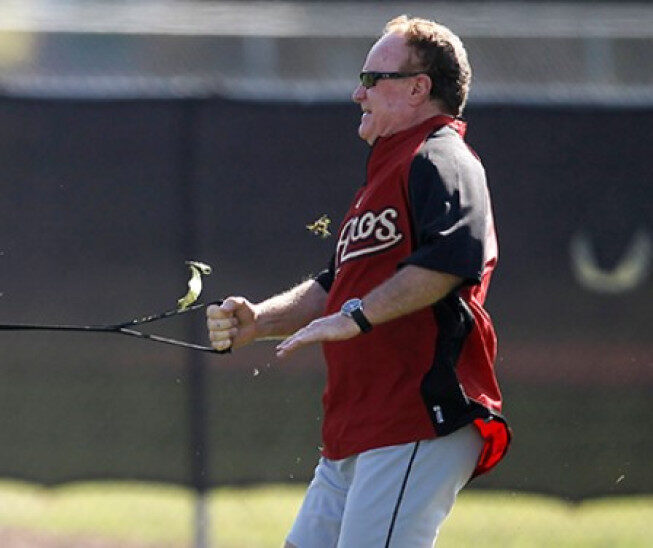
Baseball, Rehab, Sports Medicine
Tommy John and Dr. Frank Jobe: The Partnership That Changed Baseball and Sports Medicine

By Gene Coleman, Ed.D., RSCC*E
Tommy John’s name became synonymous with one of the most important advances in sports medicine, but the story behind the surgery is really the story of a pitcher and a physician who were willing to attempt what had never been successfully done before.
Baseball lost one of its most influential figures with the passing of Tommy John at age 83. John was an outstanding Major League pitcher whose career spanned 26 seasons, but his impact on the game extends far beyond his 288 victories, four All-Star selections and more than 4,700 innings pitched.
His name became permanently linked to a surgical procedure that changed the outlook for pitchers with what had once been considered a career-ending elbow injury.
But “Tommy John surgery” is not simply the story of an operation.
It is the story of two men — Tommy John and Dr. Frank Jobe — who were willing to enter unfamiliar territory and, in the process, change baseball and sports medicine forever.
Tommy John Surgery at a Glance
| Question | Answer |
|---|---|
| Who was Tommy John? | A Major League pitcher who won 288 games during a 26-season career. |
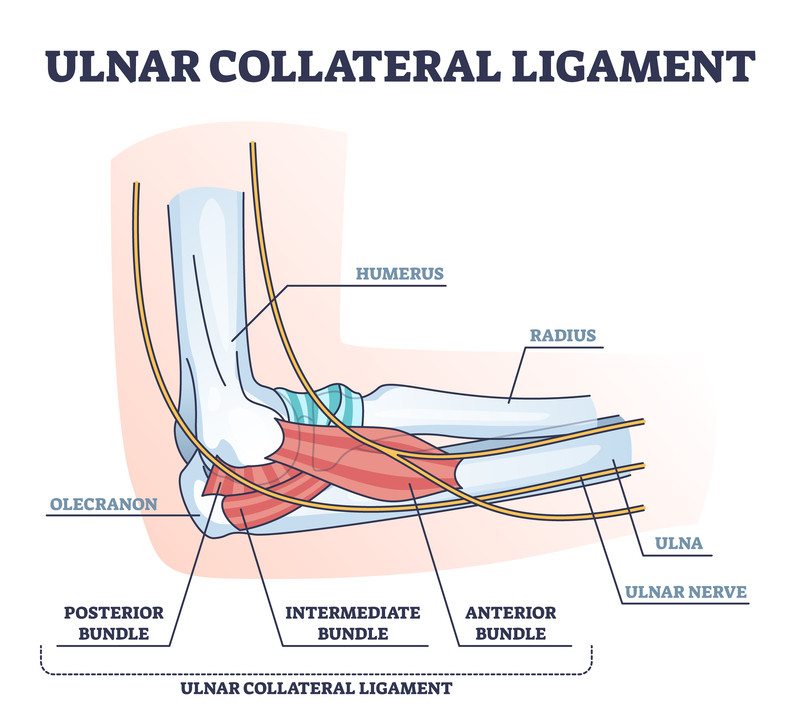
| What is Tommy John surgery? | Reconstruction of the elbow’s ulnar collateral ligament (UCL), typically using a tendon graft. |
| Who performed the groundbreaking procedure? | Los Angeles Dodgers orthopedic surgeon Dr. Frank Jobe. |
| When was John’s surgery performed? | September 25, 1974. |
| When did Tommy John return to Major League Baseball? | April 1976. |
| How many games did he win after surgery? | 164 — compared with 124 before surgery. |
| Why was the surgery so important? | It demonstrated that a severe UCL injury did not necessarily have to end a pitcher’s career. |

The Injury That Could Have Ended a Career
On July 17, 1974, John was pitching for the Los Angeles Dodgers when he seriously injured his left elbow. He had damaged the ulnar collateral ligament (UCL), a structure on the inside of the elbow that helps stabilize the joint against the tremendous forces generated during throwing.
At that time, a significant UCL injury in a Major League pitcher usually meant one thing: the end of a career.
John was 31 years old and having an excellent season. He was 13–3 with a 2.59 ERA when his elbow gave out. The conventional wisdom was that his pitching career was probably over.
Tommy John wasn't ready to accept that answer.
Enter Dr. Frank Jobe
Dr. Frank Jobe, the Dodgers' orthopedic surgeon, proposed an experimental solution.
Instead of simply trying to repair the damaged ligament, Jobe would reconstruct it using a tendon taken from another part of John's body. The tendon would be passed through tunnels created in the bones of the elbow to replace the function of the damaged UCL.
Nothing like it had been successfully performed on a Major League pitcher.
Jobe later recalled giving John approximately a one-in-100 chance of returning to professional baseball. The alternative, however, offered virtually no chance.
John chose the one percent.
On September 25, 1974, Jobe performed the groundbreaking operation that would eventually become known throughout the sports world as Tommy John surgery.
Surgery Was Only the Beginning
The operation was revolutionary, but surgery alone did not save Tommy John's career.
What followed was equally important — a long rehabilitation process requiring patience, persistence, discipline and trust.
John missed the entire 1975 season while rebuilding his arm.
Today, an athlete undergoing UCL reconstruction follows a carefully developed rehabilitation and throwing progression. John had no such roadmap.
No Major League pitcher had traveled this road before him.
John, Jobe and the Dodgers' medical and rehabilitation staff were essentially developing the roadmap as they went.
Approximately 18 months after surgery, John returned to a Major League mound in April 1976.
Returning to pitch again was remarkable.
What happened afterward was extraordinary.
164 Wins After Surgery
Tommy John didn't merely return to baseball.
He thrived.
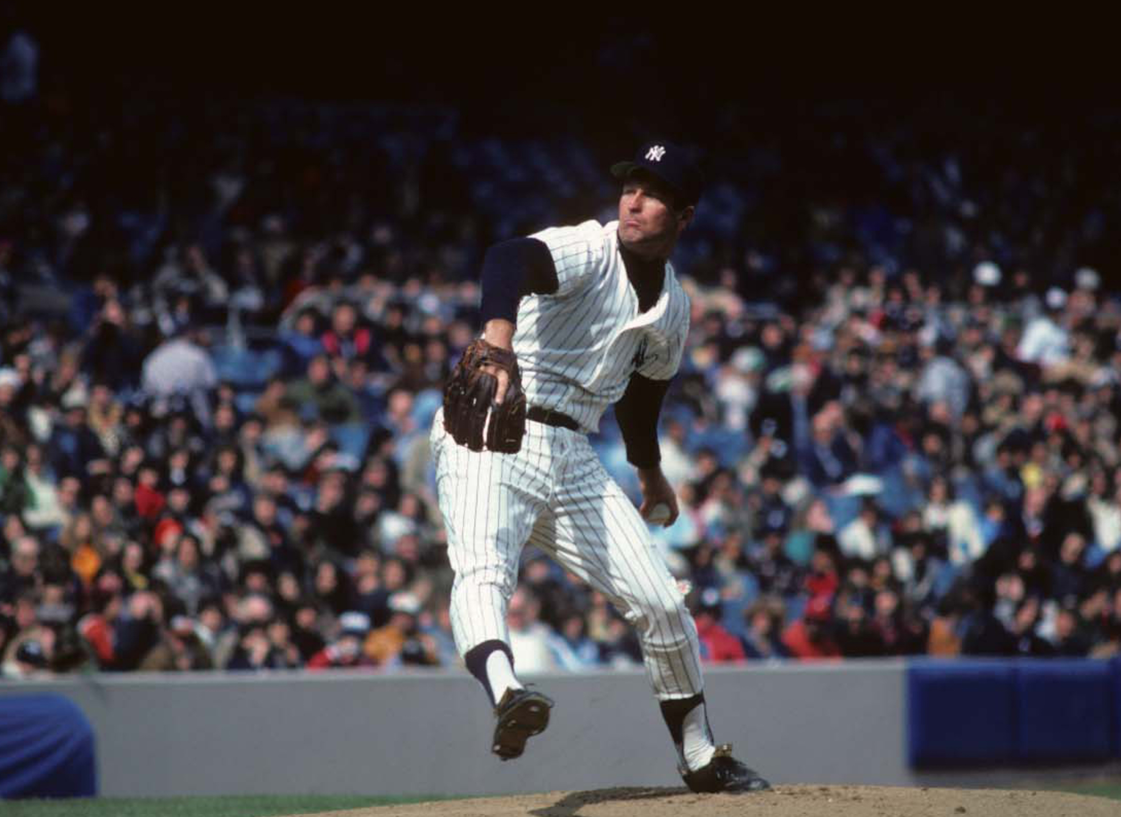
He recorded 124 wins before surgery and 164 wins after surgery.
John pitched 14 additional seasons and remained in the Major Leagues until age 46. In 1977, his second season back, John won 20 games for the Dodgers. He later recorded consecutive 20-win seasons for the New York Yankees.
A pitcher who had been given approximately a one-percent chance of returning to professional baseball ultimately won more games after the operation than he had before it.
His comeback helped transform an experimental operation into one of the most significant developments in orthopedic sports medicine.

A Partnership That Changed Baseball
Today, the term “Tommy John surgery” is so familiar that it's easy to forget how uncertain everything was in 1974.
There was no established history of successful UCL reconstruction in Major League pitchers.
There was no proven rehabilitation protocol.
There was no list of pitchers who had successfully returned to competition.
There was no guarantee that John would ever throw another Major League pitch.
Simply two people were willing to move into unfamiliar territory.
Dr. Frank Jobe had the knowledge, creativity and courage to develop a potential solution.
Tommy John had the courage to let him try it — and the discipline and perseverance to complete the rehabilitation necessary to find out whether it would work.
Both were essential.
The procedure's medical name is ulnar collateral ligament reconstruction, but John's remarkable return ensured that generations of athletes, coaches and fans would know it simply as Tommy John surgery.
Over the decades that followed, surgeons refined Jobe's original technique, rehabilitation programs became more sophisticated and thousands of athletes benefited from what started with one physician, one pitcher and an idea.
The Lesson for Today's Game
There is another important lesson in this story, especially for today's young athletes, parents and coaches.
Modern sports medicine has become remarkably effective at repairing injured athletes.
That doesn’t mean we should become comfortable with athletes getting injured.
The success of UCL reconstruction should never become an excuse for excessive throwing, inadequate recovery, poor physical preparation, or the belief that elbow reconstruction is simply another step in the development of a young pitcher.
Tommy John surgery was developed to save a career, not to become part of a career plan.
The goal should still be to keep the athlete healthy enough that surgery is never necessary.
Young pitchers need appropriate physical preparation, progressive throwing programs, adequate recovery, and careful management of their total throwing workload.
And workload is more than pitches thrown in games.
Bullpens, long toss, showcases, camps, private lessons, velocity programs, and throwing for multiple teams all contribute to the stress placed on the arm.
The elbow is exposed to throwing stress whether a high-intent throw occurs in a game, bullpen, showcase, lesson or training session.
Stress accumulates.
Coaches, strength and conditioning professionals, athletic trainers, physical therapists, physicians and parents therefore share a responsibility to look at the entire athlete and the entire baseball calendar, not simply the pitch count from today's game.
Surgery can provide an option when injury occurs.
It should never replace preparation, workload management and recovery.
The Legacy
Tommy John should be remembered as much more than the name attached to an operation.
He was an outstanding pitcher who won 288 Major League games during a career that lasted more than a quarter-century.
He was also a pioneer.
Dr. Frank Jobe should likewise be remembered as much more than the surgeon who performed the first successful UCL reconstruction on a Major League pitcher.
His willingness to challenge conventional thinking helped change orthopedic sports medicine forever.
Together, Tommy John and Frank Jobe changed what was possible after a serious throwing injury.
Before them, a torn UCL could mean the end of a pitcher's career.
After them, it became an injury athletes could realistically hope to return from.
Every pitcher who has returned to the mound following UCL reconstruction is part of the legacy these two men created together.
But perhaps the best way to honor that legacy isn’t simply to celebrate how effectively we can repair injured arms.
It’s to continue learning how to prepare athletes better, manage throwing stress more effectively and reduce the number of arms that need to be repaired in the first place.
Frank Jobe developed the procedure.
Tommy John proved that it could work.
Baseball has benefited from their partnership for more than 50 years.

Frequently Asked Questions
What is Tommy John surgery?
Tommy John surgery is the commonly used name for ulnar collateral ligament reconstruction, a procedure in which a damaged UCL in the elbow is reconstructed using a tendon graft.
Who developed Tommy John surgery?
Dr. Frank Jobe performed the groundbreaking UCL reconstruction on Los Angeles Dodgers pitcher Tommy John in 1974. The procedure later became widely known as Tommy John surgery because of John's successful return to Major League Baseball.
Why did Tommy John need surgery?
John seriously injured the ulnar collateral ligament in his pitching elbow during the 1974 season. At the time, such an injury was widely considered potentially career-ending for a Major League pitcher.
How long did it take Tommy John to return to pitching?
John underwent surgery in September 1974, missed the entire 1975 season and returned to Major League competition in April 1976 — approximately 18 months after the procedure.
How many games did Tommy John win after surgery?
Tommy John won 164 Major League games after surgery, compared with 124 before the operation. He finished his career with 288 victories.
Does successful Tommy John surgery mean young pitchers should worry less about UCL injuries?
No. The ability to reconstruct an injured UCL should not make elbow injury an acceptable part of player development. Appropriate physical preparation, recovery, progressive throwing programs, and management of total throwing workload remain critical to reducing injury risk.